Far Infrared Therapy: Mechanisms and Clinical Applications for Medical Practice
Abstract
Far infrared (FIR) radiation represents a promising therapeutic modality with emerging clinical evidence supporting its use across multiple medical specialties. This review examines the fundamental mechanisms by which FIR exerts its biological effects and evaluates current clinical applications, with particular emphasis on cardiovascular health, pain management, wound healing, and metabolic disorders. Recent research demonstrates that FIR's therapeutic effects extend beyond simple thermal mechanisms, involving complex cellular and molecular interactions that influence microcirculation, mitochondrial function, and inflammatory pathways.
Introduction
Far infrared (FIR) radiation, encompassing wavelengths between 4-1000 micrometers (μm) with therapeutic applications primarily in the 7-14 μm range, represents a subdivision of the electromagnetic spectrum that has gained significant attention in clinical medicine (Vatansever & Hamblin, 2012). Unlike conventional heat therapy, FIR demonstrates unique biological effects that appear independent of thermal mechanisms, suggesting distinct molecular pathways underlying its therapeutic efficacy (Li et al., 2019).
The growing body of clinical evidence supporting FIR's therapeutic applications has prompted increased interest among healthcare practitioners seeking evidence-based, non-invasive treatment modalities. This comprehensive review examines the current understanding of FIR's mechanisms of action and evaluates its clinical applications across multiple medical disciplines.
Physical Properties and Tissue Interaction
Electromagnetic Characteristics
FIR radiation occupies the longer wavelength portion of the infrared spectrum, with therapeutic applications typically utilizing wavelengths between 7-14 μm. This spectral range corresponds to the natural emission frequencies of biological tissues at body temperature, facilitating resonant interactions with cellular components (Vatansever & Hamblin, 2012).
The penetration depth of FIR radiation varies with wavelength and tissue composition, typically reaching 2-5 itches into human tissues. This depth of penetration allows FIR to influence subcutaneous structures, including blood vessels, lymphatic channels, and deeper tissue layers, while minimizing surface heating effects that characterize shorter infrared wavelengths.
Tissue Absorption and Energy Transfer
The absorption of FIR radiation by biological tissues follows well-established principles of electromagnetic energy transfer. Water, comprising approximately 60% of human body mass, serves as the primary chromophore for FIR absorption in tissues. The molecular vibrational frequencies of water molecules align closely with FIR wavelengths, creating resonant absorption that appears to influence hydrogen bonding networks and cellular hydration dynamics.
Cellular and Molecular Mechanisms
Water Molecule Resonance and Structured Water Formation
The interaction between FIR radiation and cellular water represents a fundamental mechanism underlying its therapeutic effects. FIR wavelengths create resonance with water molecules, potentially influencing the formation of structured water (H₃O₂) layers within cellular environments. These structured water domains carry negative electrical charges and may enhance intracellular transport mechanisms and cellular hydration efficiency.
Recent research has demonstrated that FIR exposure can alter the organization of water molecules within biological systems, potentially affecting protein folding, membrane dynamics, and enzymatic activities. While the clinical significance of structured water formation requires further investigation, preliminary evidence suggests these molecular changes may contribute to FIR's observed therapeutic effects.
Microcirculatory Enhancement
Clinical studies have consistently demonstrated FIR's ability to enhance microcirculation through multiple mechanisms. Lin et al. (2006) demonstrated that FIR therapy significantly increases skin microcirculation in rats through nitric oxide (NO)-related pathways. The treatment appeared to augment the L-arginine/NO pathway, suggesting potential therapeutic applications for ischemic conditions.
The vasodilatory effects of FIR involve the release of nitric oxide from endothelial cells, leading to smooth muscle relaxation and improved capillary blood flow. Enhanced microcirculation facilitates improved tissue oxygenation, nutrient delivery, and waste product removal, contributing to accelerated healing and reduced ischemic pain.
Mitochondrial Function and Cellular Energetics
Emerging evidence suggests FIR radiation may influence mitochondrial function through both direct and indirect mechanisms. Yu et al. (2021) demonstrated that FIR exposure enhances mitochondrial biogenesis and glucose transporter expression in skeletal muscle cells under low glucose conditions, suggesting potential applications in metabolic disorders.
Research by Li et al. (2019) using standardized cell detection platforms revealed that FIR promotes epithelial cell migration and enhances mitochondrial oxygen consumption rates. The study demonstrated significant increases in both basal and maximum mitochondrial function following FIR exposure, indicating improved cellular energy production capacity.
The mitochondrial effects of FIR may involve multiple pathways, including improved tissue oxygen delivery, enhanced electron transport chain efficiency, and potential direct photobiomodulation effects on mitochondrial chromophores. These mechanisms collectively support improved ATP production and cellular energy availability for healing and repair processes.
Anti-inflammatory and Antioxidant Effects
Clinical and preclinical studies have documented FIR's ability to modulate inflammatory responses and reduce oxidative stress markers. The anti-inflammatory effects appear to involve downregulation of pro-inflammatory cytokines, including tumor necrosis factor-alpha (TNF-α) and interleukin-6 (IL-6), while promoting anti-inflammatory mediator production.
Recent molecular studies indicate that FIR's anti-inflammatory effects may be independent of thermal mechanisms, suggesting specific photobiomodulation pathways that influence cellular signaling cascades (Chiu et al., 2024). This finding has important clinical implications, as it suggests FIR therapy may provide anti-inflammatory benefits without the potential adverse effects associated with prolonged heat exposure.
Clinical Applications and Evidence
Cardiovascular Health
The cardiovascular applications of FIR therapy have been extensively studied, with particular emphasis on heart failure, hypertension, and vascular access management. A systematic review by Shui et al. (2016) evaluated FIR therapy's effects on cardiovascular, autoimmune, and chronic health conditions, concluding that FIR represents a safe and effective complementary therapy for multiple cardiovascular conditions.
Clinical trials in heart failure patients have demonstrated significant improvements in left ventricular ejection fraction, exercise tolerance, and symptom severity following FIR sauna therapy. The mechanisms underlying these improvements likely involve enhanced endothelial function, improved microcirculation, and reduced oxidative stress.
In hemodialysis patients, FIR therapy has shown particular promise for improving arteriovenous fistula function and longevity. Lin et al. (2007) conducted a randomized controlled trial demonstrating that FIR therapy significantly improved access blood flow and unassisted patency rates in hemodialysis patients, suggesting important clinical applications in nephrology practice.
Pain Management and Musculoskeletal Conditions
FIR therapy has demonstrated efficacy in managing various pain conditions, including fibromyalgia, osteoarthritis, and chronic low back pain. The analgesic effects appear to involve multiple mechanisms, including improved microcirculation, reduced inflammation, and enhanced tissue oxygenation.
Clinical studies have consistently reported significant pain reduction and improved functional outcomes following FIR therapy in patients with chronic musculoskeletal conditions. The non-invasive nature of FIR treatment makes it particularly attractive for patients seeking alternatives to pharmacological pain management approaches.
Wound Healing and Tissue Repair
The enhanced microcirculation and cellular energy production associated with FIR therapy provide a strong theoretical foundation for wound healing applications. Clinical evidence supports FIR's ability to accelerate wound healing through improved tissue perfusion, enhanced cellular migration, and optimized collagen synthesis.
The cellular migration enhancement demonstrated by Li et al. (2019) provides mechanistic support for FIR's wound healing applications. The study showed that FIR exposure significantly promoted epithelial cell migration, a critical component of the wound healing process.
Detoxification and Metabolic Support
FIR sauna therapy has gained attention for its potential detoxification benefits, particularly in mobilizing fat-stored toxins and persistent organic pollutants. The enhanced circulation and sweating response associated with FIR exposure may facilitate the elimination of accumulated environmental toxins.
Clinical applications in metabolic disorders show promise, with studies demonstrating improvements in insulin sensitivity, glucose metabolism, and lipid profiles following FIR therapy. The mitochondrial enhancement effects documented by Yu et al. (2021) provide mechanistic support for these metabolic benefits.
Safety Profile and Contraindications
FIR therapy demonstrates an excellent safety profile when properly administered. Unlike conventional heat therapy, FIR does not cause significant surface heating, reducing the risk of thermal injury. The non-thermal biological effects of FIR (Li et al., 2019) suggest that therapeutic benefits can be achieved at comfortable exposure levels.
Contraindications for FIR therapy include pregnancy, active malignancy in the treatment area, severe cardiovascular instability, and certain medications that affect thermoregulation. As with any therapeutic intervention, appropriate patient screening and monitoring are essential for safe administration.
Clinical Implementation Considerations
Far Infrared Therapy: Optimal Treatment Parameters
Clinical research consistently points to Far Infrared (FIR) wavelengths between 4–20 μm as optimal for therapeutic use, providing deep tissue penetration and biologically relevant effects. Treatment sessions typically last 15–45 minutes, with frequency ranging from daily to several times per week, depending on the condition being addressed and the patient’s overall health status. Within this spectrum, the 7–14 μm range is considered the most effective for activating water molecule resonance, supporting structured water (H₃O₂) expansion, microcirculation, and detoxification pathways.
Relax Sauna’s Precision FIR Delivery
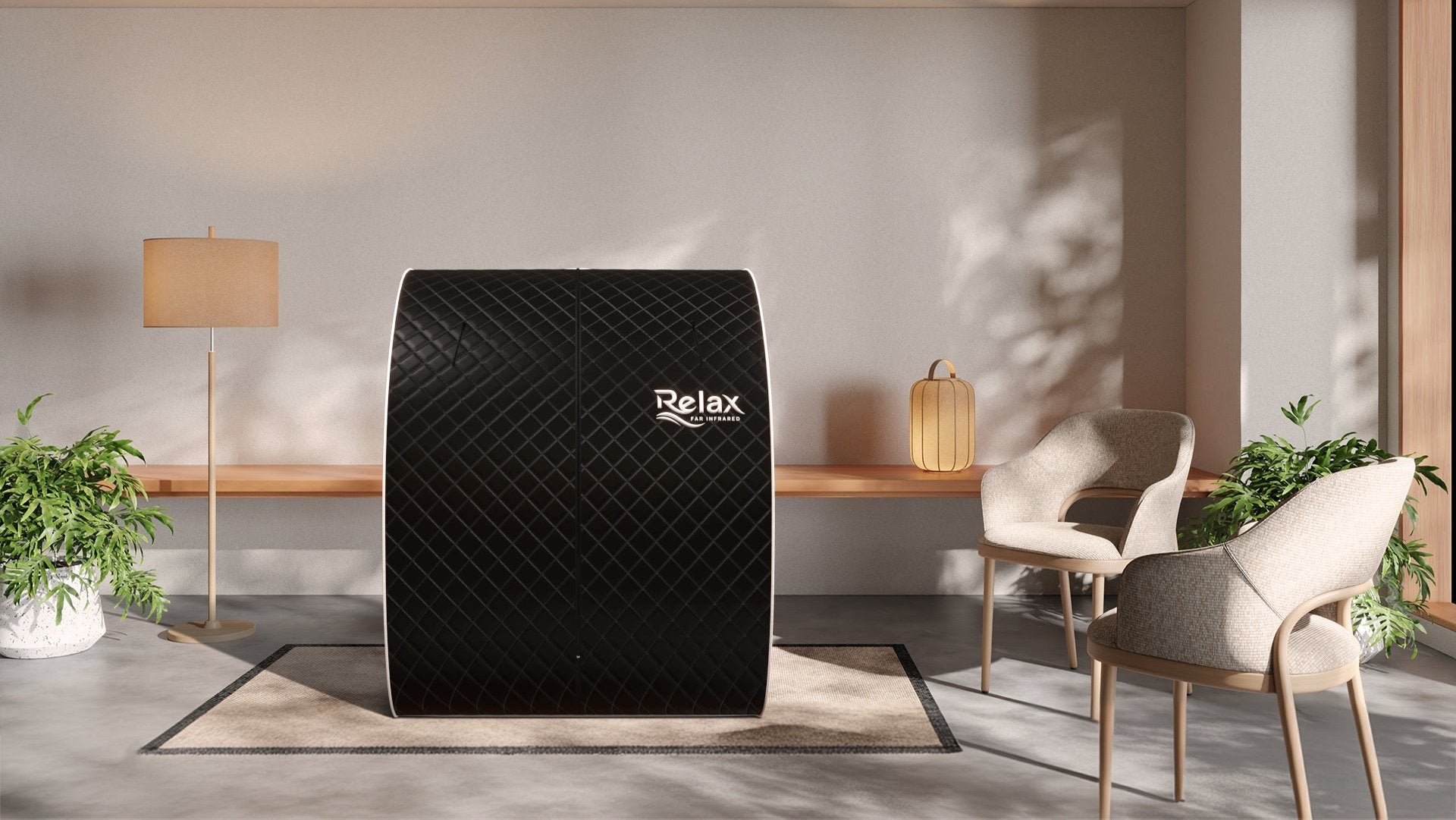
The Relax Sauna is engineered to deliver 100% FIR output in the therapeutic 7–14 μm wavelength range, providing over 40 nW/cm² of radiant power, which falls squarely within the scientifically established therapeutic dose. This precise targeting ensures efficient absorption and maximizes clinical effects—improved cellular hydration, enhanced mitochondrial activity, accelerated detoxification, and reduced inflammation.
Unlike conventional infrared heaters, the Relax Sauna is powered by a patented microchip-driven FIR generator, ensuring consistent wavelength delivery without drift or interference. It is also the only FDA-registered FIR generator, giving clinicians regulatory confidence in its safety and performance. Additionally, the Relax Sauna operates at the lowest EMF levels in its class, making it a superior choice for patients and professionals concerned with electromagnetic exposure.
Clinical Significance
The combination of optimal wavelength targeting, microchip control, high radiant output, and low EMF exposure positions Relax Sauna as a clinically preferred FIR solution for functional medicine, rehabilitation, detoxification, and performance recovery. Practitioners gain both scientific assurance and regulatory backing, allowing them to incorporate FIR therapy as an evidence-based adjunct to patient care with confidence.
Integration with Conventional Medicine
FIR therapy integrates well with conventional medical treatments, serving as a valuable adjunctive therapy rather than a replacement for standard care. Its non-invasive nature and minimal side effect profile make it particularly suitable for integration into comprehensive treatment protocols.
Healthcare providers should consider FIR therapy as part of a multimodal approach to patient care, particularly for conditions involving impaired circulation, chronic pain, or delayed healing. The growing evidence base supports its use across multiple medical specialties, including cardiology, nephrology, rheumatology, and rehabilitation medicine.
Conclusion
Far infrared therapy represents a scientifically supported, non-invasive therapeutic modality with demonstrated efficacy across multiple clinical applications. The growing understanding of its cellular and molecular mechanisms, combined with an expanding evidence base from clinical trials, supports its integration into evidence-based medical practice.
The unique combination of enhanced microcirculation (Lin et al., 2006), mitochondrial function improvement (Yu et al., 2021; Li et al., 2019), and anti-inflammatory effects positions FIR therapy as a valuable tool for healthcare practitioners seeking safe, effective complementary treatments. As research continues to elucidate its mechanisms and optimize treatment parameters, FIR therapy is likely to find increasing applications across medical specialties.
Healthcare providers should consider FIR therapy as part of comprehensive treatment strategies, particularly for patients with cardiovascular conditions, chronic pain, wound healing challenges, and metabolic disorders. The excellent safety profile and non-invasive nature of FIR therapy make it particularly suitable for integration into existing treatment protocols, offering patients an evidence-based therapeutic option with minimal risk and significant potential benefits.
References
Chiu, H. Y., Chen, P. Y., Chen, C. H., & Wang, C. J. (2024). Patch-based far-infrared radiation (FIR) therapy does not impact cell tracking or motility of human melanoma cells in vitro. International Journal of Molecular Sciences, 46(9), 10026-10037.
Li, K., Zhang, Z., Li, W., Yu, Y., Xu, Y., Cao, Y., ... & Wang, L. (2019). Detecting the limits of the biological effects of far-infrared radiation on epithelial cells. Scientific Reports, 9(1), 11586.
Lin, C. C., Chang, C. F., Lai, M. Y., Chen, T. W., Lee, P. C., & Yang, W. C. (2007). Far-infrared therapy: A novel treatment to improve access blood flow and unassisted patency of arteriovenous fistula in hemodialysis patients. Journal of the American Society of Nephrology, 18(3), 985-992.
Lin, C. C., Liu, X. M., Peyton, K., Wang, H., Yang, W. C., Lin, S. J., & Durante, W. (2006). Biological effect of far-infrared therapy on increasing skin microcirculation in rats. Photodermatology, Photoimmunology & Photomedicine, 22(2), 78-86.
Shui, S., Wang, X., Chiang, J. Y., & Zheng, L. (2016). Far-infrared therapy for cardiovascular, autoimmune, and other chronic health problems: A systematic review. Experimental Biology and Medicine, 240(10), 1257-1265.
Vatansever, F., & Hamblin, M. R. (2012). Far infrared radiation (FIR): Its biological effects and medical applications. Photonics & Lasers in Medicine, 4(4), 255-266.
Yu, S. Y., Chiu, J. H., Yang, S. D., Hsu, Y. C., Lui, W. Y., & Wu, C. W. (2021). Far-infrared rays enhance mitochondrial biogenesis and GLUT3 expression under low glucose conditions in rat skeletal muscle cells. Biochemical and Biophysical Research Communications, 534, 844-850.



Explore the Relax Far Infrared Line Up


Feel the Momentum