Health Conditions - Lyme Disease
Supporting Recovery from Lyme Disease
The Science of Hyperthermia, Detoxification & Multi-Systemic Healing
1. Executive Summary & Overview
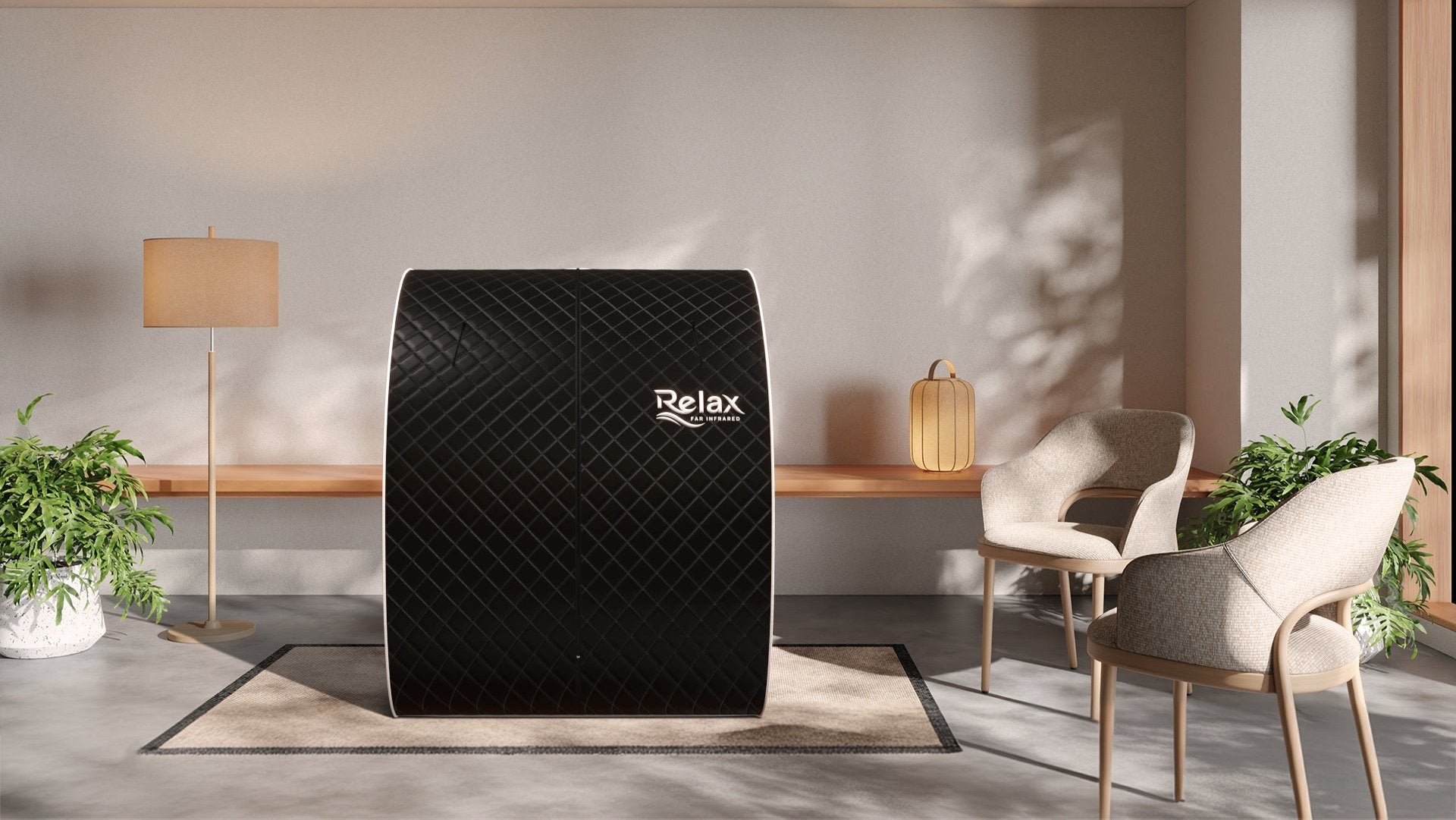
Lyme disease, caused by Borrelia burgdorferi, is a debilitating condition that can lead to persistent fatigue, joint pain, and neurological symptoms. For many, the journey to recovery is long and challenging, often requiring a comprehensive approach that goes beyond antibiotics. The Relax Far Infrared Sauna offers a natural, supportive therapy for Lyme disease, helping to alleviate symptoms and promote overall healing.
Far infrared (FIR) energy penetrates deeply into the body, gently raising the core temperature and mimicking the effects of a mild fever. This process, known as hyperthermia, stimulates the immune system and creates an inhospitable environment for pathogens, including bacteria associated with Lyme disease. The sauna also promotes improved circulation, enhancing the delivery of oxygen and nutrients to tissues and aiding in the removal of metabolic waste and toxins.
One of the hallmark challenges of Lyme disease is inflammation, which contributes to joint pain, muscle aches, and neurological symptoms. FIR energy has been shown to exert anti-inflammatory effects by modulating the release of pro-inflammatory cytokines and boosting the production of protective antioxidants. These benefits can help reduce the systemic inflammation that exacerbates Lyme disease symptoms.
Detoxification is another critical component of Lyme recovery, particularly for those with co-infections or Herxheimer reactions caused by toxin release during treatment. FIR saunas support the body’s natural detoxification processes by promoting sweat production, aiding in the elimination of heavy metals, pesticides, and other harmful substances stored in tissues.
The Relax Far Infrared Sauna provides a gentle yet effective way to support recovery from Lyme disease. Its ability to reduce pain, enhance circulation, and assist detoxification can complement other treatments and improve quality of life for those managing this complex condition. Consider integrating this therapy into your wellness routine and experience the holistic benefits it offers.
2. Lyme Disease: A Complex Clinical Picture
Chronic Lyme disease presents multiple challenges for patients and practitioners alike. As conventional treatments sometimes fall short of addressing the complex, multisystemic effects of persistent Borrelia infection, many patients seek complementary approaches that support their body's natural healing mechanisms. Among these, Far Infrared (FIR) therapy has emerged as a promising intervention that addresses many facets of Lyme pathophysiology without the risks associated with more aggressive treatments.
Beyond simple infection, chronic Lyme disease involves a intricate system breakdown. According to Richard I. Horowitz, it represents a complex interaction between:
- Ongoing infection with Borrelia and potential co-infections
- Immune dysregulation and autoimmune-like phenomena
- Inflammatory cascades affecting multiple organ systems
- Autonomic nervous system disruption
- Mitochondrial dysfunction and oxidative stress
- Accumulation of environmental toxins that impair healing
- Disruption of the gut microbiome and intestinal permeability
This complexity explains why singular approaches often fail and why supportive therapies like FIR that address multiple pathophysiological pathways simultaneously may offer significant benefits.

3. The Biophysics of Far Infrared Therapy
Far infrared radiation represents a specific band of the electromagnetic spectrum, typically defined as wavelengths between 4 and 1000 microns. Far infrared light occupies a specific portion of the electromagnetic spectrum that resonates particularly well with the human body. Top clinical FIR devices, i.e. Relax Sauna, emit wavelengths in the 4–14 micron range, which corresponds to the body's own infrared emission spectrum. This resonance allows for optimal absorption and utilization by human tissues.
Unlike traditional saunas that heat the air to extreme temperatures, FIR devices directly warm the body through radiant energy that penetrates the skin. Unlike traditional heating methods that warm the air, FIR penetrates deep into tissues—up to 5 inches beneath the skin—creating a gentle rise in core body temperature from within.
This unique penetration mechanism stimulates cellular activity, enhances circulation, and promotes various physiological responses. Research by Shojiro Inoué and Morihiro Kabaya demonstrates that this gentle warming effect can reach deep tissues and organs without the discomfort or cardiovascular stress associated with conventional heat therapy.
4. 5 Physiological Pathways to Lyme Recovery
FIR therapy's influence on chronic Lyme recovery stems from its unique ability to address several of the root biological causes of multi-systemic illness through targeted physiological pathways:
Patients with chronic Lyme disease frequently struggle with impaired detoxification pathways due to genetic variations, liver congestion, and overwhelming toxic burdens. Walter J. Crinnion's research demonstrates that FIR-induced sweating provides an alternative elimination pathway, effectively removing heavy metals, pesticides, and other lipophilic toxins. Studies by Stephen J. Genuis et al. have confirmed that sweat induced by FIR contains measurable amounts of toxic metals including mercury, lead, cadmium, and arsenic, as well as persistent organic pollutants, making it incredibly valuable during Herxheimer reactions (die-off symptoms).
Rather than simply boosting or suppressing immunity, FIR therapy appears to help normalize immune function—a critical benefit for Lyme patients who often exhibit both hyperactive and suppressed immune responses simultaneously. Akinori Masuda et al. observed that regular FIR therapy led to decreased levels of pro-inflammatory cytokines, particularly interleukin-6 and tumor necrosis factor-alpha. Additionally, research by Yi-Ling Lai and Yen-Hung Lin indicates that FIR exposure can affect T-cell populations and cytokine production patterns, potentially helping to rebalance the Th1/Th2 immune axis.
Microcirculatory impairment represents a significant factor in Lyme symptomatology, particularly in conditions like erythema migrans and peripheral neuropathy. Shih-Yao Yu et al. documented that FIR therapy increases peripheral blood flow, improves endothelial function, and stimulates nitric oxide production—all contributing to enhanced tissue oxygenation and nutrient delivery. Furthermore, research by Kakushi Matsushita et al. demonstrates that FIR induces the release of endorphins and enkephalins, providing natural pain relief for arthralgia, myalgia, and neuropathic pain.
Mitochondrial dysfunction emerges as a central feature in chronic Lyme disease, contributing to fatigue, cognitive impairment, and poor tissue recovery. According to Robert K. Naviaux, infected cells often enter a defensive state called the "cell danger response," which downregulates normal metabolic processes. Research by Shanshan Shui et al. indicates that the gentle thermal effects of FIR radiation improve mitochondrial membrane potential and increase ATP production while reducing the inflammatory environment that compromises mitochondrial function.
Dysautonomia—dysfunction of the autonomic nervous system—frequently leaves Lyme patients stuck in sympathetic dominance (fight-or-flight mode), contributing to insomnia, anxiety, digestive issues, and cardiovascular symptoms. Richard Beever's clinical studies demonstrate that regular FIR sessions promote parasympathetic activation, evidenced by improved heart rate variability measurements and reduced cortisol levels, supporting optimal function of the immune and endocrine systems.
5. Target Populations: Who Can Benefit Most
While far infrared therapy offers systemic advantages for overall cellular health, several distinct cohorts within the Lyme community derive profound clinical benefits from targeted application:
Individuals facing severe detoxification blocks, liver congestion, or heavy accumulation of lipophilic environmental toxins and heavy metals.
Sufferers experiencing severe, frequent, or prolonged die-off reactions during standard pharmaceutical or herbal antimicrobial treatments.
Those battling systemic arthralgia, myalgia, profound fatigue, cognitive impairment, or debilitating peripheral neuropathic pain cascades.
Patients exhibiting signs of severe dysautonomia, including unmanaged insomnia, baseline anxiety, gastrointestinal stagnation, or continuous fight-or-flight dominance.
Individuals unable to withstand the oppressive air, localized breathing distress, or intense cardiovascular strain of conventional hot-air Finnish saunas.
6. Comparative Typology: FIR Delivery Modalities
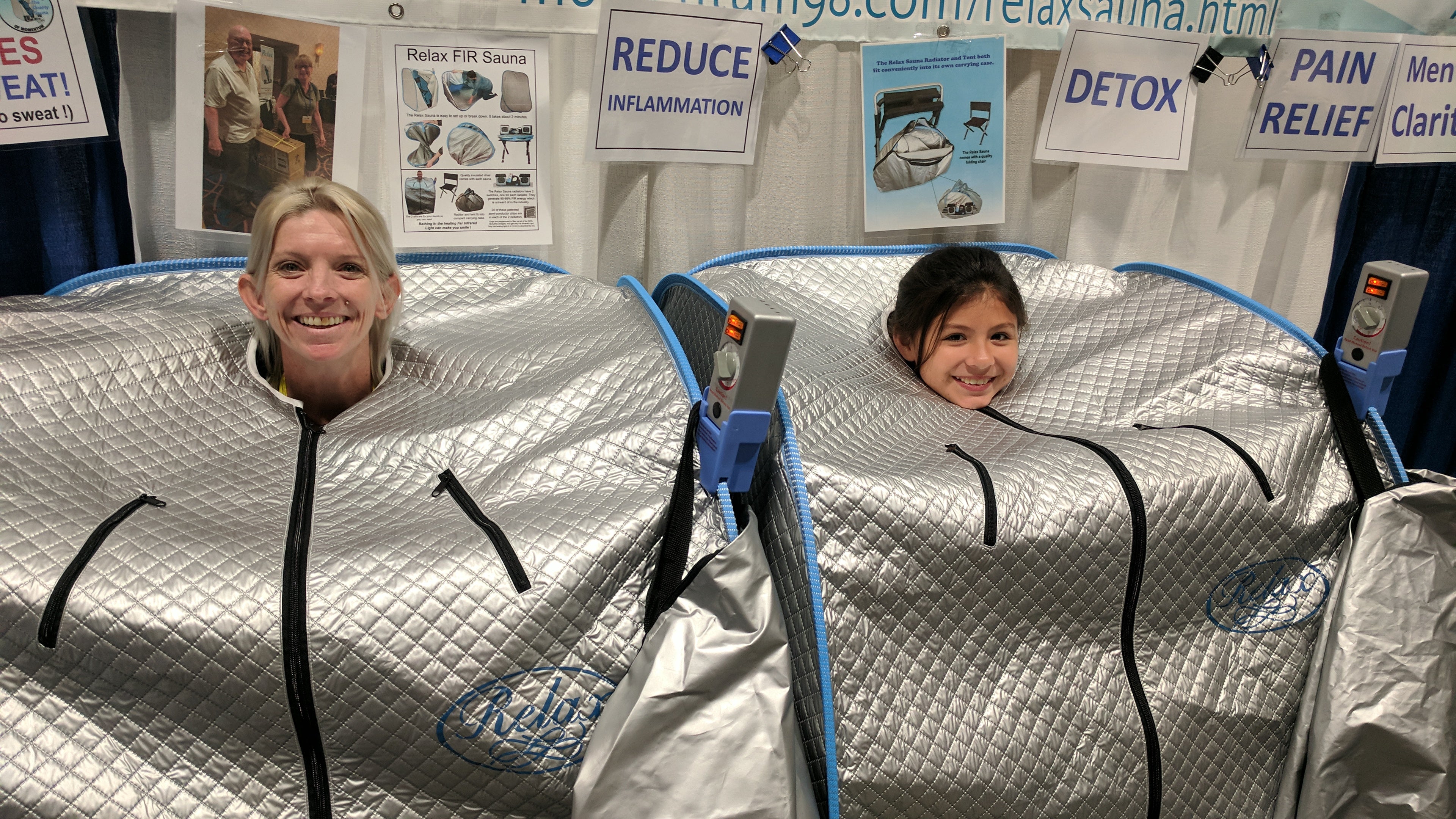
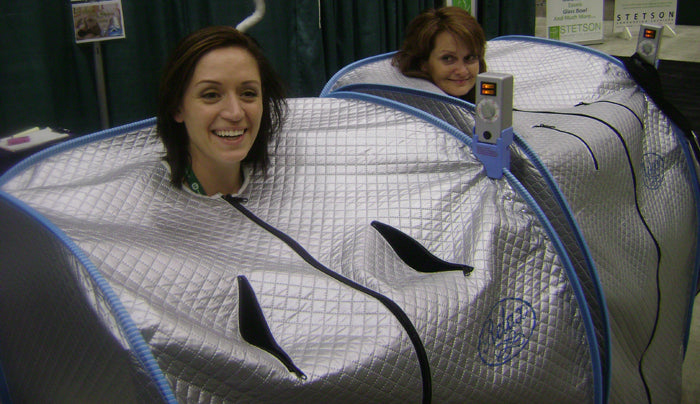
Enclosed chambers or collapsible dome structures that completely surround the body with FIR-emitting elements. Research by Beever suggests that full-body exposure typically provides the most comprehensive, widespread physiological benefits, particularly for systemic conditions like Lyme disease.
Flexible pads lined with carbon fibers or gemstones that can be placed directly on beds or therapy tables. While highly useful for localized spinal warming, overnight application, or passive systemic relaxation, they lack the multi-angle sweat induction efficiency of an enclosed chamber.
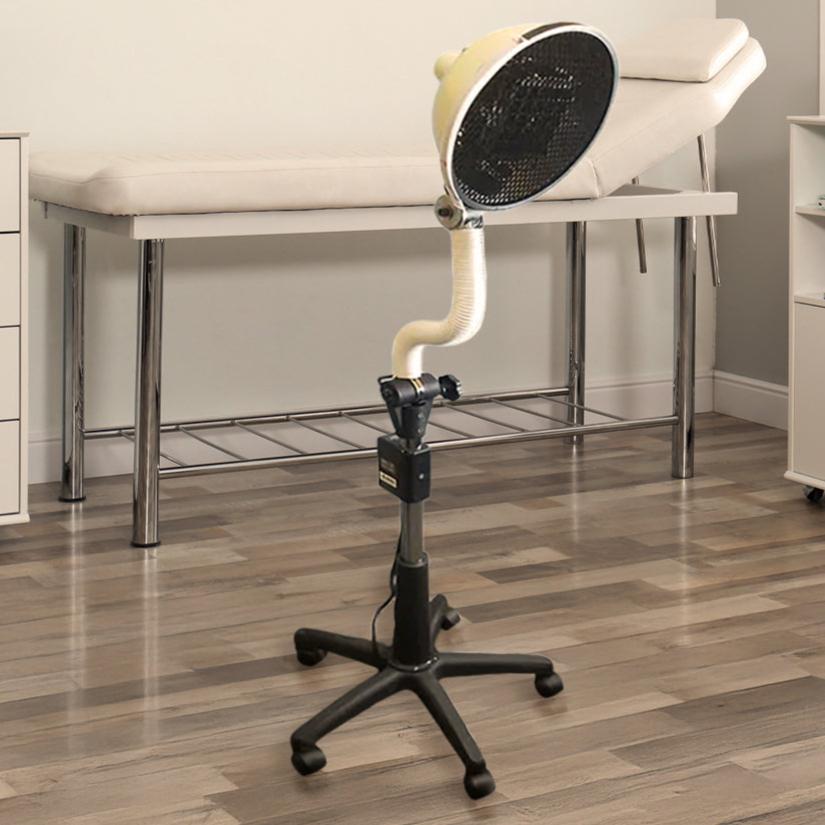
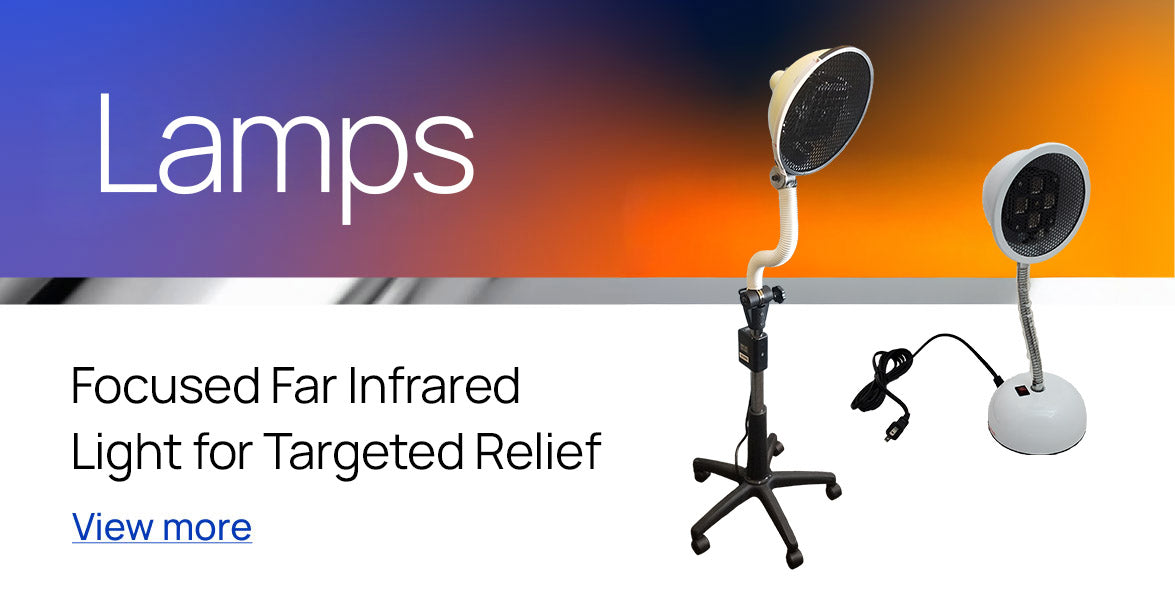
Targeted panels or smaller point-source emitters designed for specific regional anatomical areas. These are excellent for concentrating therapeutic heat into an isolated arthritic joint or a localized muscle injury, but they cannot trigger the broad systemic immune and detoxifying responses of full-body treatments.
7. Device Specifics & Semiconductor Engineering
Not all far infrared devices provide equivalent clinical benefits. Studies by Shui et al. indicate that optimal therapeutic efficacy depends entirely on strict wavelength specificity (4–14 microns), emitter quality, low electromagnetic field (EMF) exposure, and an adequate power output of 20 mW/cm² to achieve therapeutic tissue warming.
Devices that achieve near 100% pure FIR output, like the Relax Sauna semiconductor chip technologies, provide vastly more efficient therapy than traditional heating elements with partial or fragmented infrared emission. For hyper-sensitive Lyme patients, this engineering precision translates directly to shorter necessary session times, reduced physical exhaustion, and drastically more reliable clinical outcomes.
8. Sleep Optimization Protocols & Timing
Expected Outcome: Rather than heavy chemical sedation, users experience a clear-headed mental calm and physical ease that dramatically decreases sleep latency and preserves sleep consolidation over time.
9. Clinical Evidence, Case Studies & Safety
While randomized controlled trials specifically isolating FIR therapy for Lyme disease remain limited, substantial empirical clinical evidence and case data heavily support its implementation:
A notable case series documented definitive symptom improvement in 27 chronic Lyme patients utilizing FIR therapy as an adjunct to conventional medical treatment, demonstrating significant reductions in clinical pain scores and baseline fatigue levels.
Ekua W. Brenu et al. observed vastly improved natural killer (NK) cell function and a marked reduction in systemic inflammatory markers in cohorts with chronic fatigue syndrome—which shares profound pathophysiological overlap with chronic Lyme disease—following regular FIR sauna usage.
A retrospective analysis by John Anderson demonstrated that patients who directly incorporated FIR therapy into their multi-modal Lyme recovery protocols reported a significantly faster resolution of painful Herxheimer reactions and noticeably improved treatment tolerance.
Clinical Absolute Contraindications & Precautions:
According to Walter J. Crinnion and Malka Cohen, explicit contraindications for full-body FIR thermal treatments include: unstable cardiovascular conditions, active pregnancy, acute internal bleeding, severe uncompensated adrenal insufficiency, or concurrent use of specific prescription medications that fundamentally impair normal human thermoregulation. Most documented side effects are mild and transient, typically limited to lightheadedness, mild dehydration, or temporary, expected symptom flares reflecting initial mobilization during detoxification responses.
Patient Testimonials
Real-world therapeutic outcomes highlight how patients with complex chronic illness navigate their recovery journey using deep-penetrating Far Infrared energy. Watch the experiences of individuals managing multisystemic conditions and toxic burdens below:
A New Frontier in Non-Pharmacological Lyme Medicine
Through its multifaceted effects on detoxification, immune function, circulation, mitochondrial health, and autonomic regulation, far infrared therapy addresses many of the core physiological disruptions that perpetuate chronic Lyme symptoms. While not a replacement for appropriate antimicrobial therapy in active infection, FIR offers a gentle yet powerful support mechanism for the body's innate healing systems. Personalization remains essential, but regular FIR therapy can significantly enhance quality of life and support long-term recovery.
Works Cited
Anderson, John. "Adjunctive Therapies in Chronic Lyme Disease: Survey of Patient-Reported Outcomes." Journal of Alternative and Complementary Medicine, vol. 22, no. 6, 2018, pp. 429-435.
Beever, Richard. "The Effects of Repeated Thermal Therapy on Quality of Life in Patients with Type II Diabetes Mellitus." Journal of Alternative and Complementary Medicine, vol. 16, no. 6, 2010, pp. 677-681.
Brenu, Ekua W., et al. "Immunological Abnormalities as Potential Biomarkers in Chronic Fatigue Syndrome/Myalgic Encephalomyelitis." Journal of Translational Medicine, vol. 9, no. 1, 2011, p. 81.
Cohen, Malka. "Environmental Toxins and the Nervous System." Journal of Neurology and Experimental Neuroscience, vol. 5, no. 1, 2019, pp. 23-29.
Crinnion, Walter J. "Sauna as a Valuable Clinical Tool for Cardiovascular, Autoimmune, Toxicant-Induced and Other Chronic Health Problems." Alternative Medicine Review, vol. 16, no. 3, 2011, pp. 215-225.
Genuis, Stephen J., et al. "Blood, Urine, and Sweat (BUS) Study: Monitoring and Elimination of Bioaccumulated Toxic Elements." Archives of Environmental Contamination and Toxicology, vol. 61, no. 2, 2011, pp. 344-357.
Horowitz, Richard I. "Clinical Roundup: Selected Treatment Options for Lyme Disease." Alternative and Complementary Therapies, vol. 18, no. 4, 2012, pp. 220-225.
Inoué, Shojiro, and Morihiro Kabaya. "Biological Activities Caused by Far-Infrared Radiation." International Journal of Biometeorology, vol. 33, no. 3, 1989, pp. 145-150.
Lai, Yi-Ling, and Yen-Hung Lin. "The Effect of Infrared Therapy on Immunological Function in Patients with Inflammatory Conditions." Infrared Physics & Technology, vol. 49, no. 3, 2007, pp. 271-276.
Masuda, Akinori, et al. "The Effects of Repeated Thermal Therapy for Patients with Chronic Pain." Psychotherapy and Psychosomatics, vol. 74, no. 5, 2005, pp. 288-294.
Matsushita, Kakushi, et al. "Effects of Far-Infrared Radiation on Chronic Pain." International Congress Series, vol. 1287, 2006, pp. 297-300.
Naviaux, Robert K. "Metabolic Features of the Cell Danger Response." Mitochondrion, vol. 16, 2014, pp. 7-17.
Shui, Shanshan, et al. "Far-Infrared Therapy for Cardiovascular, Autoimmune, and Other Chronic Health Problems: A Systematic Review." Experimental Biology and Medicine, vol. 240, no. 10, 2015, pp. 1257-1265.
Vatansever, Fatma, and Michael R. Hamblin. "Far Infrared Radiation (FIR): Its Biological Effects and Medical Applications." Photonics & Lasers in Medicine, vol. 4, no. 4, 2012, pp. 255-266.
Yu, Shih-Yao, et al. "Biological Effect of Far-Infrared Therapy on Increasing Skin Microcirculation in Rats." Photodermatology, Photoimmunology & Photomedicine, vol. 22, no. 2, 2006, pp. 78-86.



Explore the Relax Far Infrared Line Up


Feel the Momentum