Far Infrared Therapy and Cancer Support
Far Infrared Therapy & Cancer Support
A Science Briefing for Integrative Oncology and Patient Support Professionals
1. Introduction: Heat, Light, and Cancer Biology
The relationship between heat, light, and cancer biology is older than modern medicine, with roots in Hippocrates' use of heat and William Coley's intentional fever induction in the 1890s. Far infrared therapy represents the intersection of these ancient principles and a modern, rapidly expanding evidence base. This briefing evaluates FIR therapy across three domains: quality of life, the biological terrain, and emerging direct research on FIR and tumor biology.
2. Quality of Life & Symptom Support
FIR therapy has been studied in chronic fatigue syndrome (CFS), sharing features with cancer-related fatigue; Masuda and colleagues (2005) documented significant symptom improvement in CFS patients following thermal therapy. For pain, daily FIR use drives beta-endorphin release, provides muscle relaxation through tissue perfusion, reduces pro-inflammatory cytokines like IL-6 and TNF-α, and activates the parasympathetic nervous system.
FIR supports sleep architecture by normalizing circadian cortisol rhythms and upregulating serotonin via the spinoparabrachial thermal pathway. Regarding psychological health, Dr. Ashley Mason’s UCSF trials combined FIR with cognitive behavioral therapy, producing remission from major depressive disorder in 86.2% of participants.
FIR supports lymphatic drainage and reduces inflammatory tone through eNOS-mediated nitric oxide production. Patient reports consistently identify the sense of active self-care through FIR as a restoration of agency. For clinical implementation, sessions generally require oncologist approval: 10–20 minutes, 2–3x/week between chemotherapy cycles, increasing to 30–40 minutes, 4–5x/week during recovery, with post-surgical wait times of 4–8 weeks.
3. The Biological Terrain
FIR therapy addresses five foundational terrain variables relevant to cancer biology:
- Chronic Inflammation: FIR suppresses NF-κB, a master regulator of inflammatory gene expression, and reduces circulating IL-6, TNF-α, and C-reactive protein.
- Oxidative Stress & Detox: FIR therapy reduces markers like urinary 8-epi-prostaglandin F2α. Sweat is a secondary excretion pathway for heavy metals (arsenic, cadmium, lead, mercury), and FIR helps mitigate the burden of endocrine-disrupting chemicals.
- Immune Function: Thermal stress induces Heat Shock Proteins (HSP70). Membrane-bound HSP70 on tumor cells serves as a tumor-selective antigen, which NK cells recognize and target for lysis.
- Vascular Oxygenation & Glycocalyx: FIR increases eNOS-mediated nitric oxide production, improving perfusion and countering hypoxia. It also supports the vascular glycocalyx, which regulates permeability and improves drug delivery to tumor sites.
4. Direct Research & Clinical Context
FIR research represents frontier inquiry, not established clinical cancer treatment.
Research Foundations
Clinical hyperthermia (42–45°C) is an established adjunct for radiation and chemotherapy. Recent reviews indicate that mild-to-moderate whole-body hyperthermia enhances tumor-directed immune reactions and may increase the efficacy of immune checkpoint inhibitors. A 2025 BMC Cancer study found that FIR induces melanoma cell apoptosis and impedes the proliferation of triple-negative breast cancer cells in preclinical models through mechanisms such as cell cycle arrest and increased HSP70 expression.
The Relax Sauna Difference
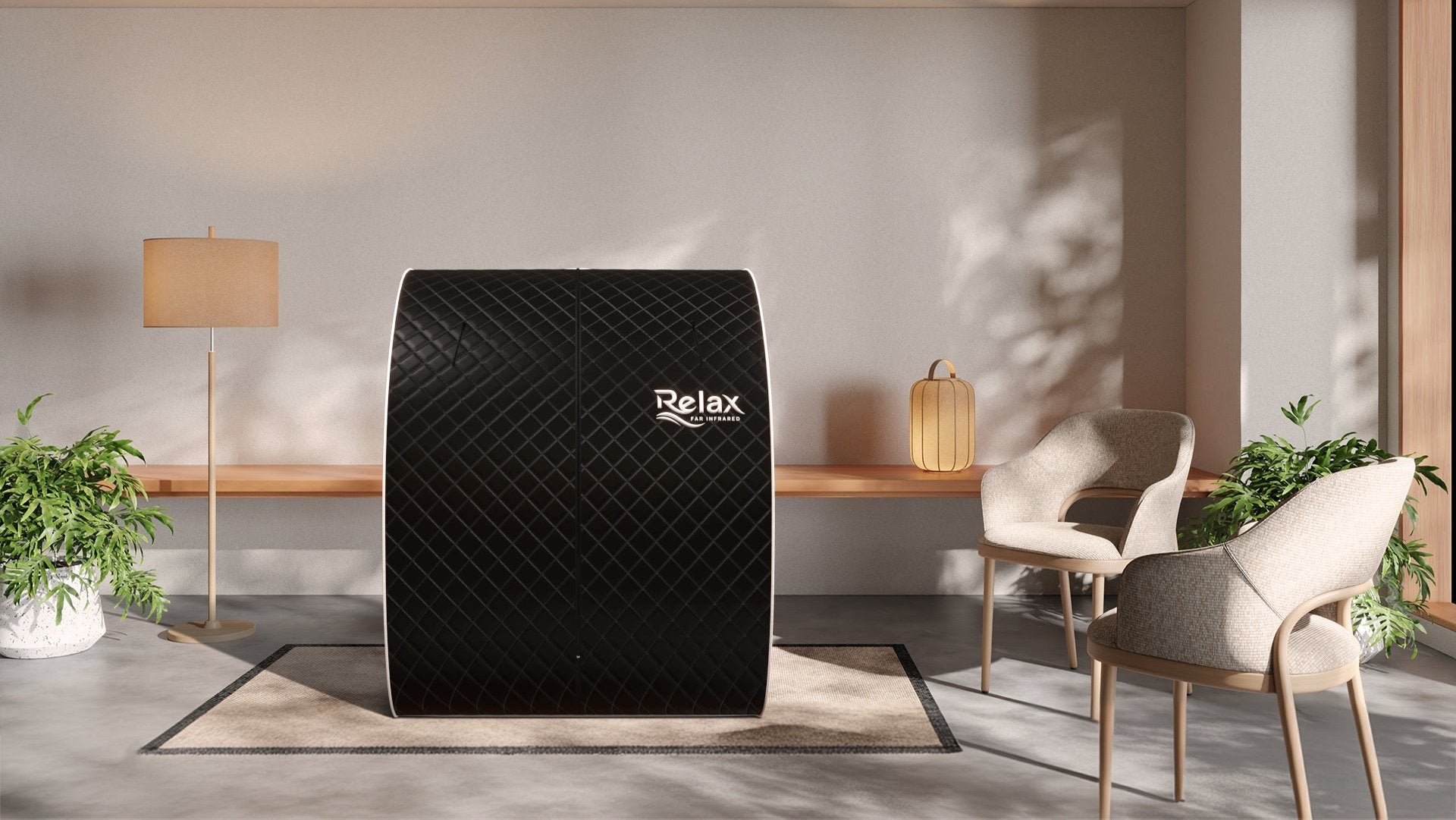
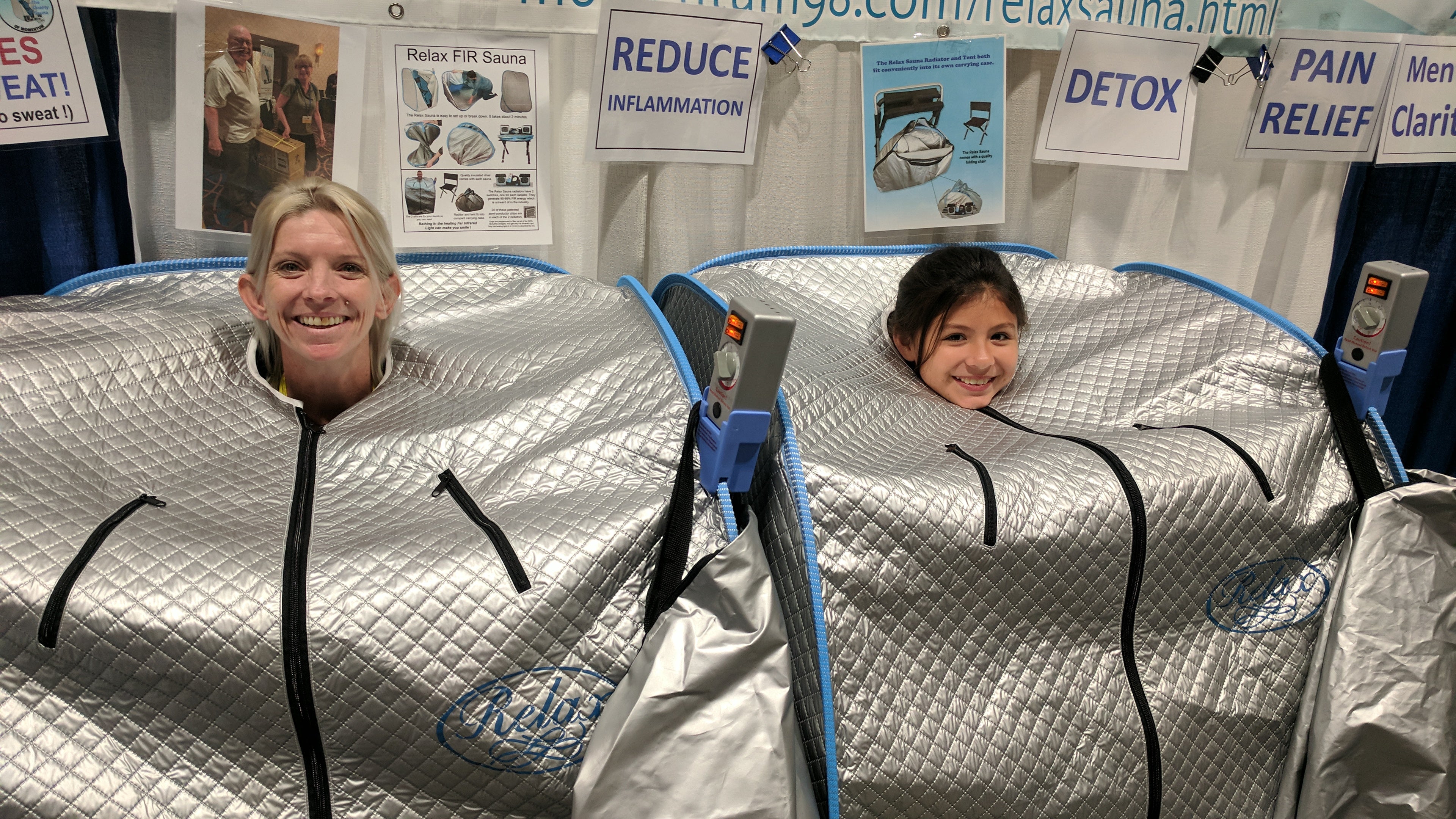
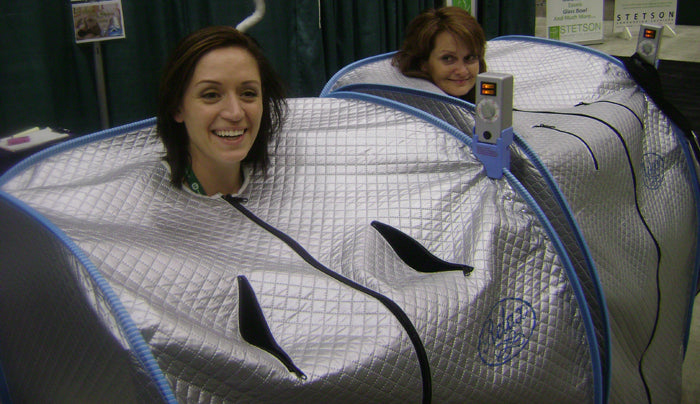
The Relax Sauna utilizes semiconductor-grade emitters providing 4–14 µm FIR (peak near 9.4 µm) at power densities exceeding 40 mW/cm². This specificity allows for more reliable HSP70 induction, autonomic shifts, and core temperature elevation in shorter, more tolerable sessions—critical for fatigued or immunocompromised patients. The system is manufactured in Taiwan using semiconductor standards to ensure consistent, repeatable therapeutic doses.
5. Patient Testimonials
Discover the direct, personal stories of cancer patients, survivors, and integrative health advocates who have implemented Far Infrared radiant thermal therapy to support multi-systemic recovery, heavy chemical detoxification, and profound relief from treatment side effects:



Explore the Relax Far Infrared Line Up


Feel the Momentum