Clinical Validation - Lennard M. Goetze
The Relax Sauna Performance Test Drive
Lennard M. Goetze, Ed.D.'s 30-Day N-of-1 Evaluation & Clinical Literature Review
1. The N-of-1 Observational Framework
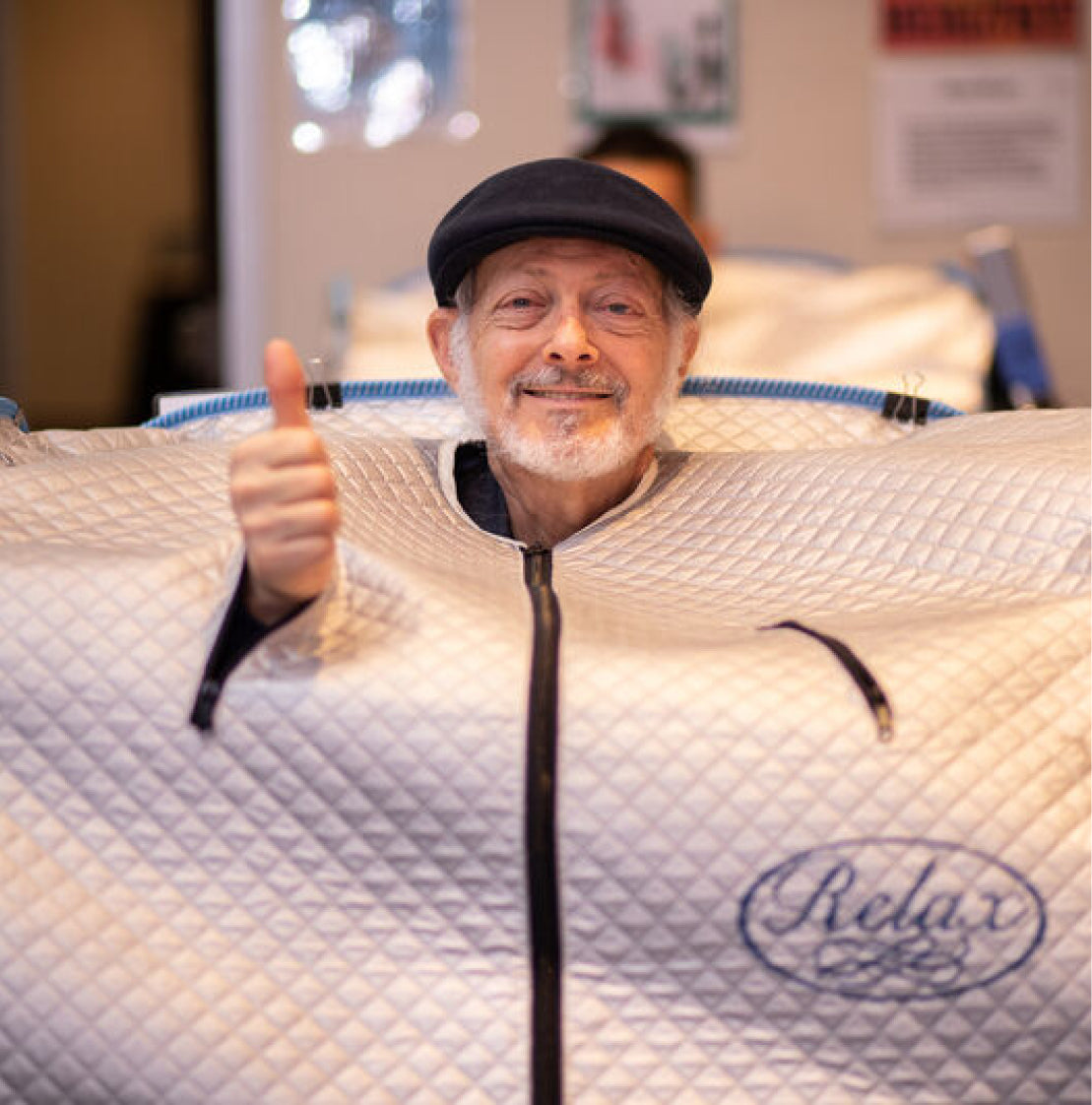
Conducted by Lennard M. Goetze, Ed.D., this 30-day Performance Test Drive serves as a volunteer observational review examining the practical integration of portable far-infrared sauna therapy into a daily personal health regimen. Structured intentionally as an N-of-1 observational trial, it documents usability, adherence, perspiration, and lifestyle behavioral shifts while contextualizing observations against peer-reviewed clinical literature.
"What happens when far-infrared sauna use moves beyond an occasional wellness experience and becomes a consistent, documented component of a 30-day personal health program?"
Rather than making broad therapeutic generalizations, the study bridges first-person user adherence with established physiological research on thermoregulation, vascular circulation, and passive heat therapy.
2. Overcoming Friction & Behavioral Momentum
A primary obstacle to sustained health routines is psychological friction and equipment setup time. Traditional wooden cabinet saunas require extensive preheating periods (often 30+ minutes) and reach ambient air temperatures that can be challenging for individuals with respiratory sensitivities like asthma.
Conventional Wooden Saunas
- Requires ~30 minutes of preheating before use.
- Heats external ambient air to high temperatures.
- Can create breathing discomfort for sensitive or asthmatic users.
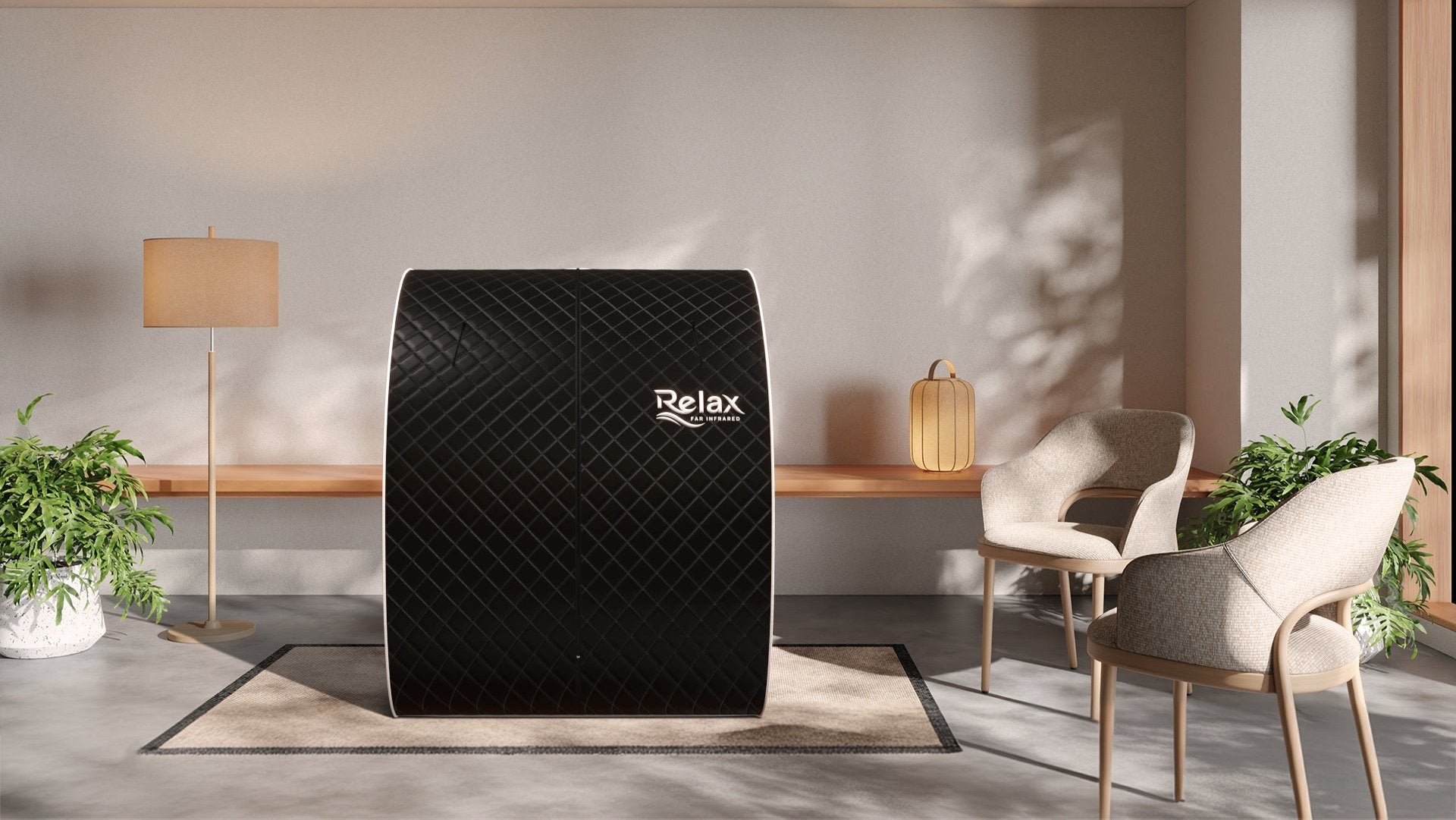
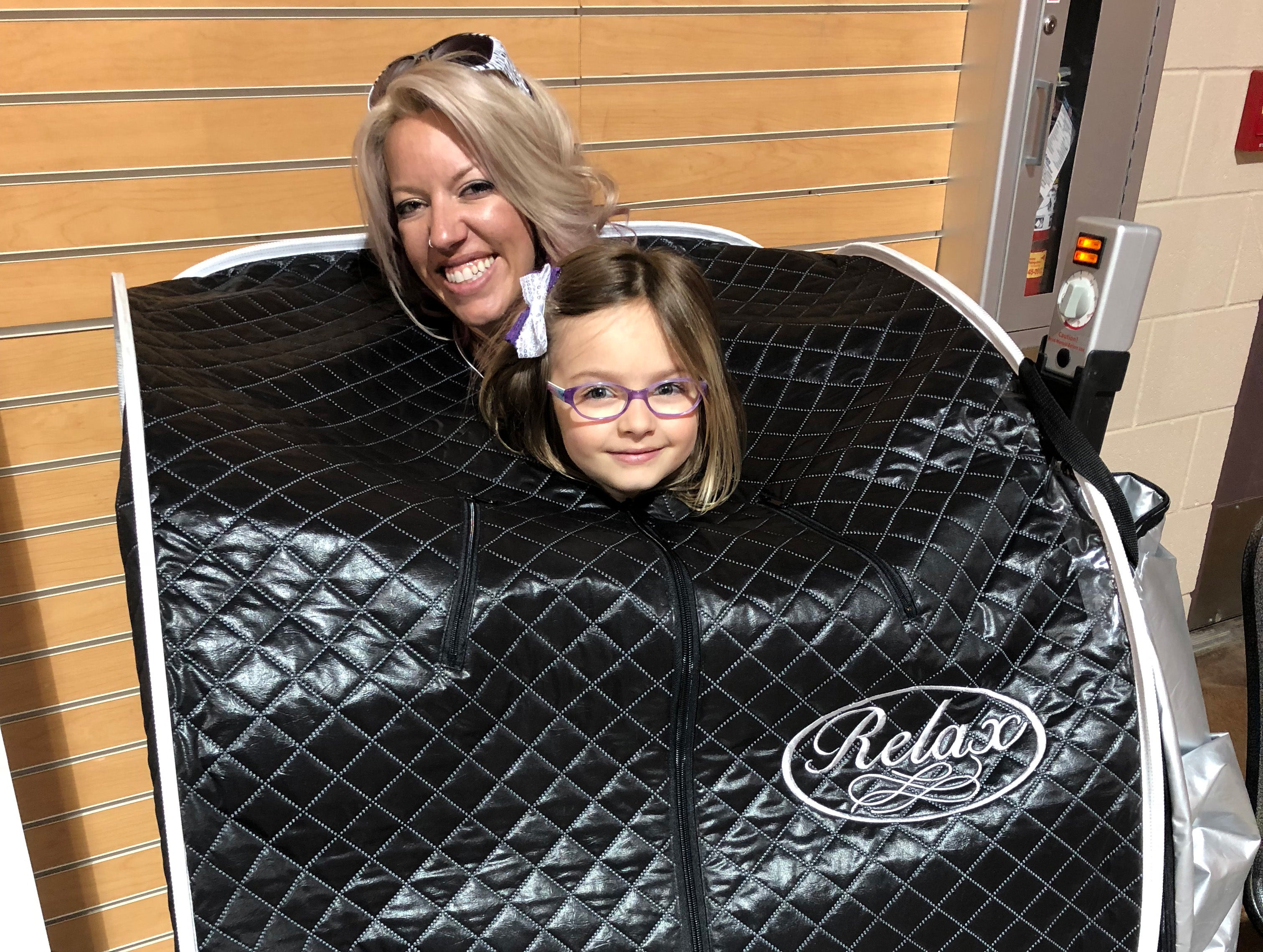
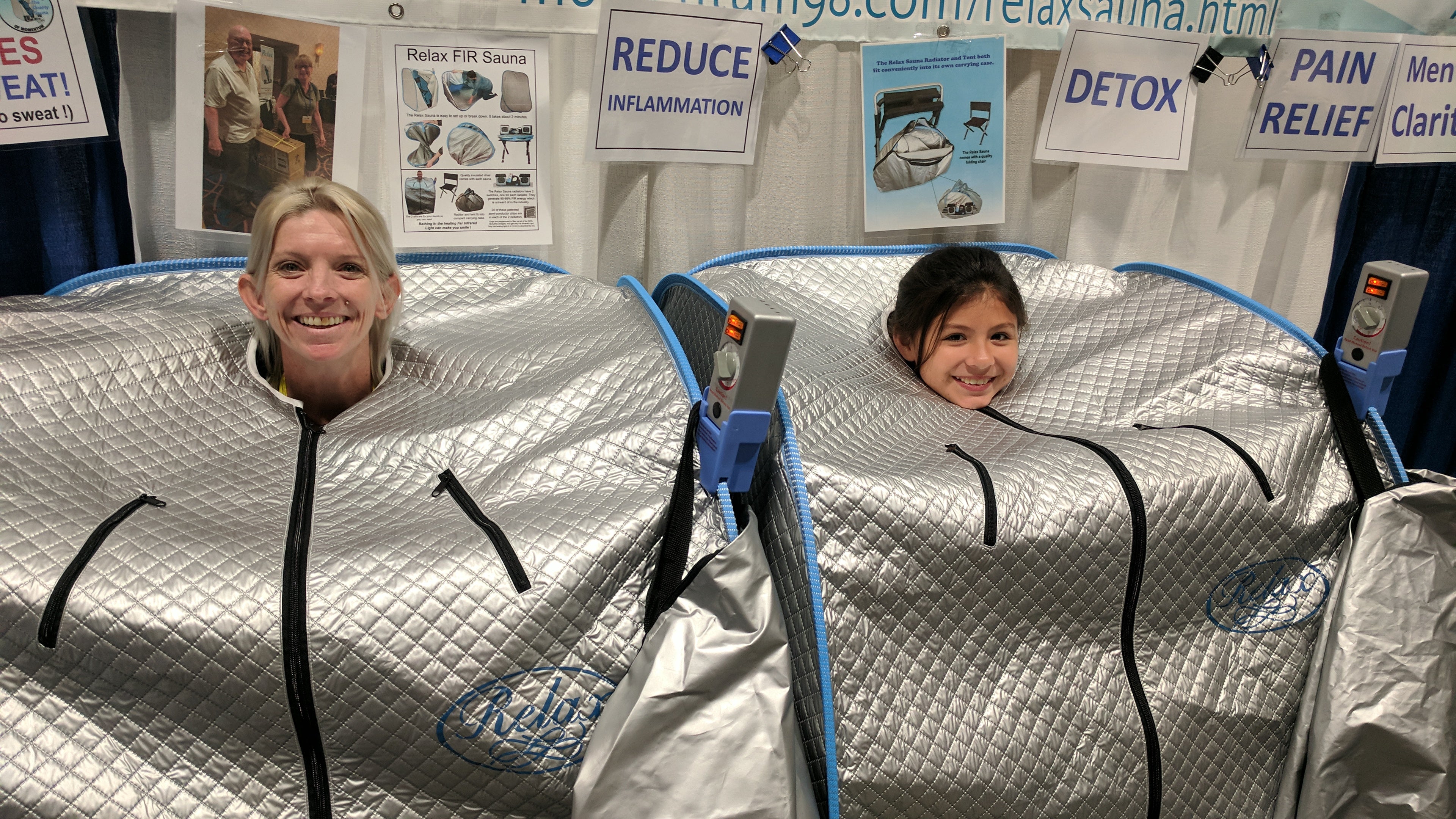
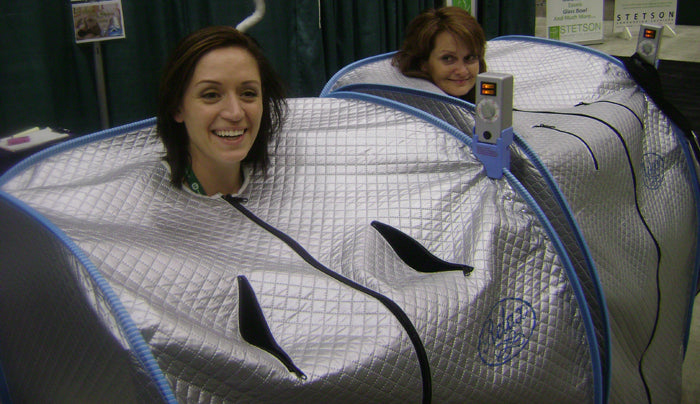
Relax Portable FIR Sauna
- Rapid thermal output with minimal warmup delay.
- Radiant heat target allows intense sweating at lower air temperatures.
- High user adherence due to reduced psychological resistance.
The Behavioral Catalyst Effect
Establishing a low-friction daily sweat routine created positive behavioral momentum. Within the first week, session compliance catalyzed secondary health decisions, including daily walks averaging ~8,000 steps, returning to gym training 3 days per week, and entering a medically supervised weight-management program.
3. Physiological Heat Response & Cardiovascular Impact
Far-infrared (FIR) technology delivers radiant thermal energy directly to body tissue rather than relying solely on superheated ambient air. Passive thermal exposure activates thermoregulatory mechanisms, prompting peripheral vasodilation, elevated cardiac output, and increased heart rate.
| Physiological Parameter | Clinical Mechanism / Observation | Literature Findings |
|---|---|---|
| Peripheral Blood Flow | Cutaneous vasodilation and enhanced circulatory throughput | Increased 68% immediately post-session; remained 51% above baseline after 30 min |
| Blood Pressure Regulation | Reduced vascular resistance and improved arterial compliance | Systolic reductions reported in trials (e.g., $125\pm13$ to $110\pm15$ mmHg) |
| Vascular Endothelial Function | Thermal stimulation of endothelial nitric oxide synthesis | Supported by Waon thermal therapy clinical protocols for heart failure |
| Core Heat Stress Load | Thermoregulatory sweating activated under moderate ambient stress | Milder core temperature rise than hot-water immersion, enhancing tolerability |
4. Perspiration Science & The "Detox" Question
While heavy perspiration is a distinct feature of far-infrared sessions, scientific clarity is essential regarding detoxification claims. Sweating serves primarily as a thermoregulatory fluid loss mechanism driven by eccrine glands.
Heavy Metal Excretion Evidence
Trace toxic elements (arsenic, cadmium, lead, mercury) are detectable in human sweat. However, published trials indicate exercise-induced sweat showed higher concentrations of Ni, Pb, Cu, and As than passive sauna sweat, with mercury remaining equivalent across methods.
Clinical Interpretation Boundary
Sweating provides a secondary excretory pathway alongside the liver and kidneys, but claims of "infrared-unique" sweat composition lack conclusive proof. The key advantage of FIR lies in generating high sweat volume comfortably.
5. Heat Modality Biological Comparison Matrix
Different heat and physical modalities stimulate distinct physiological pathways. The table below summarizes biological responses based on 2025 head-to-head clinical literature comparisons:
| Modality | Primary Biological Stimulus | Sweating Potential | Core Heat Load | Vascular / Circulatory Effect | Heavy-Metal Evidence |
|---|---|---|---|---|---|
| Far-Infrared Sauna | Radiant heat | High potential | Low–moderate | Vasodilation / endothelial evidence | Metals detected; detox superiority unproven |
| Traditional Sauna | Heated air + radiant heat | High | Moderate–high | Strong cardiovascular heat response | Metals appear in sweat |
| Hot-Water Immersion | Conductive whole-body heating | Variable | Highest in direct comparison | Strong acute circulatory effects | Not established as detox strategy |
| Exercise | Muscular work + metabolic heat | Moderate–high | Protocol dependent | Strong established cardiovascular effects | Higher sweat concentrations of Ni, Pb, Cu, As |
6. Download Full Observational Report
Download The Complete Test Drive & Literature Review PDF
Access the full report: "The Relax Sauna Performance Test Drive: A One-Month Volunteer Observational Review of Far-Infrared Sauna Therapy" by Lennard M. Goetze, Ed.D. (Institute for Progressive Health Sciences).



Explore the Relax Far Infrared Line Up


Feel the Momentum