Wildfire Smoke
What Wildfire Smoke Is Actually Doing to the Body
A deep dive into the science of toxic exposure — and the detoxification protocol helping firefighters and communities recover
1. What Wildfire Smoke Actually Contains
The public health conversation regarding wildfire smoke often reduces exposure to simple particulate matter (PM2.5) air quality indices. However, when wildland-urban interface (WUI) fires burn through populated areas, they combust synthetic structures, automobiles, electronics, plastics, wiring, heavy metals, and residential chemical storage. This transforms wildfire smoke into a complex, distributed industrial toxic event rather than a simple biomass burn.
Field sampling research from the 2025 Los Angeles fires revealed that airborne toxic metals were enriched up to 1,000 times above biomass-only smoke levels and 30 times above normal urban background concentrations. Polycyclic aromatic hydrocarbons (PAHs) — Group 1 carcinogens — were recorded at 10 times background levels, alongside elevated volatile organic compounds (BTEX) and volatilized per- and polyfluoroalkyl substances (PFAS) released from burning building materials.
PAHs & Carcinogens
PAHs form bulky adducts with cellular DNA strands, initiating mutagenic cascades that lead directly to tissue carcinogenesis.
Reactive Aldehydes
Formaldehyde and acrolein cross-link structural proteins, severely damaging respiratory epithelium and impairing mucociliary clearance.
Heavy Metal Loading
Lead, cadmium, arsenic, and mercury damage thyroid, kidney, cardiovascular, and neurological systems at microscopic exposure thresholds.
Ultrafine Particles (PM0.1)
Particles under 100nm bypass alveolar macrophages, cross the blood-air barrier, and travel directly to brain tissue via the olfactory nerve.
Persistent Indoor Off-Gassing Hazard
VOCs and toxic smoke particles sorb deeply into household drywall, carpeting, upholstery, and wood during active fire periods. Research following major municipal fires confirms that indoor toxic VOC concentrations often remain significantly higher than outdoor ambient air for weeks or months after fires are extinguished, continuously re-exposing returning occupants.
2. The Firefighter's Specific Burden
Wildland and municipal firefighters operate directly within peak chemical concentration zones for extended 12 to 24-hour shifts. U.S. Forest Service modeling estimates that wildland firefighters face a 43% increased risk of lung cancer mortality and a 30% increased risk of cardiovascular disease mortality strictly from occupational smoke exposure.
Group 1 Carcinogenic Occupation
The International Agency for Research on Cancer classifies firefighting as a Group 1 hazard due to documented elevated risks of bladder, testicular, mesothelioma, and lymphatic cancers.
Vascular Endothelial Damage
Systemic blood vessel lining is damaged via particulate-induced oxidative stress, driving acute myocardial infarction risk during and after suppression operations.
Chemical vs. Psychological Trauma
Neurotoxic heavy metals (lead, mercury) and PAHs induce direct neuroinflammation and cognitive impairment that clinically mimic or aggravate PTSD symptoms.

3. The Community's Hidden Exposure
Over 46% of the U.S. population now resides in areas with unhealthy air quality levels driven heavily by recurring wildfire seasons. Chronic, low-level exposure to fire emissions silently accumulates toxicant burdens in resident tissue over time without causing immediate acute emergency room visits.
- Pediatric Sensitivity: Children exposed to wildfire smoke experience higher rates of asthma exacerbation, impaired lung growth, and neuroinflammatory alterations affecting cognitive regulation.
- Multi-Path Risk from PFAS: Structural fire combustion releases endocrine-disrupting PFAS into air, water reservoirs, and cleanup soil, interfering with thyroid and reproductive hormone synthesis.
- Long-Term Cancer Trends: Population studies confirm increased overall cancer incidence in communities subjected to repetitive long-term wildfire smoke events.
What Standard Air Quality Indices (AQI) Miss
Standard EPA AQI metrics measure raw PM2.5 particle weight but do not analyze chemical composition. During WUI fires, AQI readings may appear "moderate" while particle toxicity remains extreme due to heavy concentration of PAHs, heavy metals, dioxins, and volatilized plastic compounds.
4. The Biology of Toxic Accumulation
Why do health issues persist years after smoke clears? Most primary smoke toxicants (PAHs, PFAS, PCBs, dioxins, heavy metals) are lipophilic — fat-soluble. Rather than remaining in blood or urine where kidneys filter them, they rapidly partition into adipose tissue, nerve myelin, and cellular membranes.
Once sequestered in fat cells, these toxins slowly leak back into systemic circulation over decades, causing perpetual internal organ re-exposure long after the original smoke exposure event ended.
The Niacin Lipolysis Mobilization Mechanism
Pharmacological doses of nicotinic acid (immediate-release Niacin) trigger targeted lipolysis—stimulating the breakdown of fat cells to unlock and release stored lipophilic xenobiotics back into the bloodstream. Once circulating, these toxins can be actively eliminated through sweat pathways rather than remaining locked in tissue storage.
5. The Root Protocol — Detoxination & Firefighter Method
Developed and clinically refined across four decades by Dr. David E. Root, MD, MPH, and Daniel Root, the Detoxination protocol combines four synergistic interventions to safely mobilize and excrete stored body burdens:
1. Immediate-Release Niacin
Lipid Mobilization
Triggers targeted lipolysis to release fat-stored PAHs and chemicals, while inducing peripheral vasodilation (the flush response) to drive cutaneous blood flow.
2. Aerobic Exercise
20–30 Minutes Pre-Sauna
Elevates core body temperature, boosts cardiac output, and pushes newly mobilized circulation toward dermal capillary beds prior to sweating.
3. Deep FIR Sauna Sweating
Far Infrared Thermal Transpiration
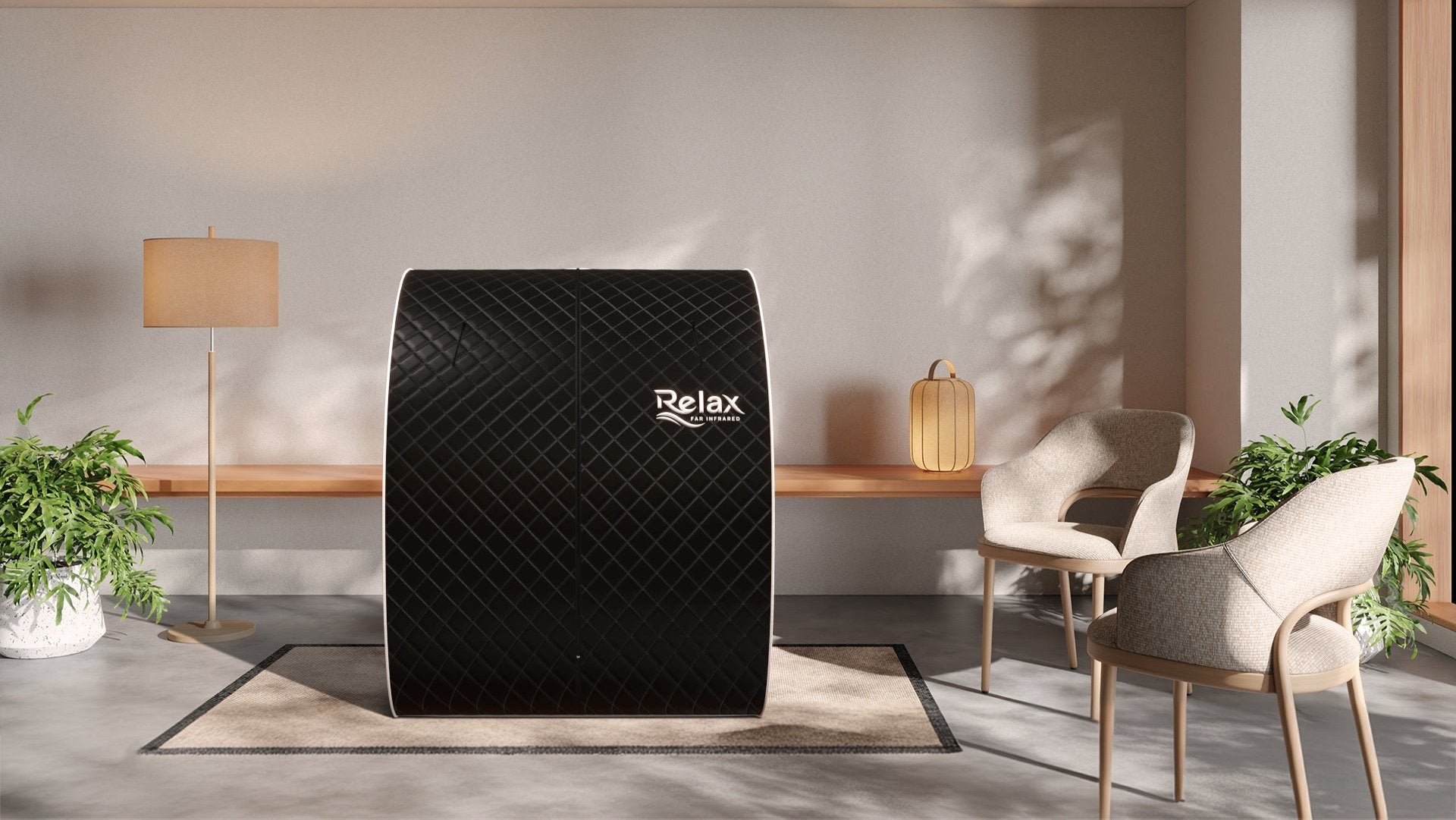
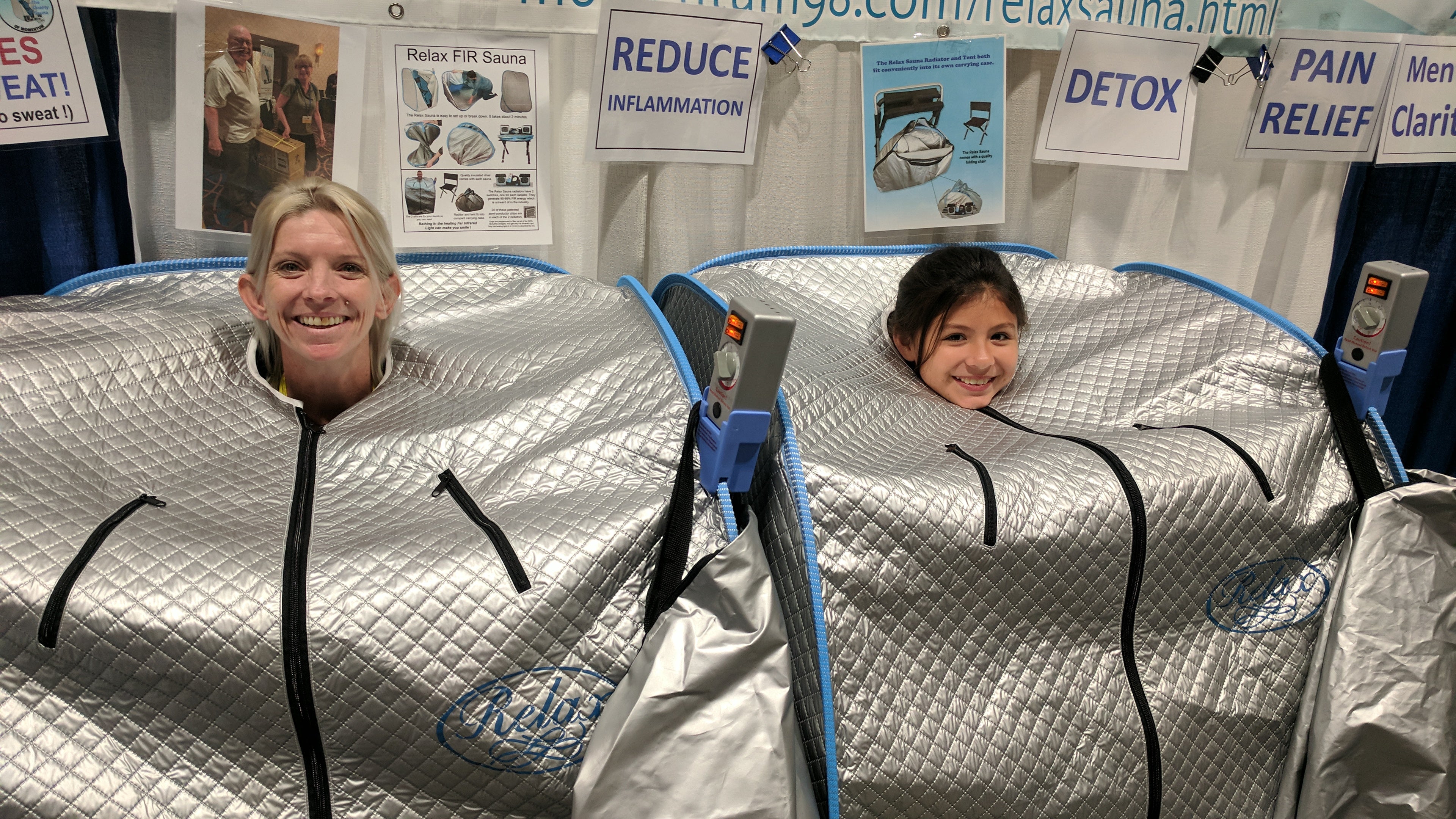
Relax Sauna technology (operating at 9.4 µm wavelength) provides deep tissue penetration, excreting high concentrations of heavy metals and lipophilic toxins through sweat.
4. Binders & Mineral Replenishment
Gastrointestinal Binding
Activated charcoal or gut binders absorb biliary-excreted toxins to prevent reabsorption, while replacing vital electrolytes and minerals lost during sweating.
Documented Clinical Outcomes
Peer-reviewed trials evaluating this protocol in 9/11 World Trade Center responders and Gulf War illness cohorts demonstrated a 42% to 65% measured reduction in persistent organic pollutants and PCB body burdens, alongside significant neurological and systemic symptom recovery.
6. Key Metrics & Practical Recovery Steps
Immediate & Ongoing Action Checklist
Post-Exposure First Aid
- Rinse skin & hair within 1 hr to remove deposited PAH ash.
- Take N-Acetyl Cysteine (NAC 600mg) for glutathione support.
- Take Vitamin C (2,000–4,000mg) to neutralize oxidative stress.
- Supplement Selenium (100–200mcg) for enzyme activity.
Relax Sauna Maintenance
- Conduct 20–25 minute FIR sessions 4–5 times weekly.
- Shower immediately post-sauna to prevent toxin re-absorption.
- Consume electrolytes (Mg, K, Na) after every session.
- Use gut binders (charcoal) between meals to trap bile toxins.



Explore the Relax Far Infrared Line Up


Feel the Momentum