DIALYSIS & VASCULAR ACCESS
Dialysis & Vascular Access: The Lifeline
Supporting AV Fistula Patency & Circulation with Far-Infrared Therapy
1. The Fistula You Can't Live Without
For people on hemodialysis, the AV fistula in your arm is the doorway between you and the treatment that keeps you alive. Keeping it flowing is one of the most important things you can do — and far-infrared therapy has some of the strongest research support of any complementary practice for this exact job.
If you or someone you love is on hemodialysis, you already know that the small, thickened blood vessel in the arm — the arteriovenous fistula, or AVF — is the most important piece of anatomy in daily life. Three times a week, two needles go into it. Blood leaves through one, gets cleaned by the dialysis machine, and returns through the other. Without a working fistula, dialysis has to happen through a catheter in the neck or chest — with dramatically higher rates of infection, blood clots, and hospitalization. Dialysis patients call the fistula "the lifeline," and that isn't dramatic. It's accurate.
2. What Can Go Wrong
Fistulas are surgical creations, and they don't always cooperate. Three things commonly go wrong:
2.1 Maturation Failure
The new fistula never grows strong enough to use — happens in up to 40% of new fistulas within six months of surgery.
2.2 Stenosis (Narrowing)
Scar tissue builds up inside the vessel wall, narrowing the pathway and slowing blood flow — the most common cause of fistula failure over time.
2.3 Thrombosis (Clotting)
Blood clots block the vessel entirely. This is usually preceded by narrowing that wasn't caught in time.
When any of these happen, patients typically need angioplasty (a balloon procedure to reopen the vessel), stenting, or surgical revision. Sometimes a whole new fistula has to be created in a different spot. Every one of these interventions carries real cost, risk, and disruption to a life already reshaped by dialysis.

3. Where Far-Infrared Comes In
This is one of the areas where the far-infrared research is genuinely, unusually strong. A large randomized trial published in the Journal of the American Society of Nephrology — one of the top nephrology journals in the world — tested FIR therapy in 145 hemodialysis patients over a full year. The results were striking enough that it changed how many dialysis centers, particularly in Taiwan and across Asia, now approach fistula maintenance.
of hemodialysis patients receiving 40 minutes of far-infrared therapy per dialysis session for one year maintained an unassisted, working fistula — compared to 67% in the control group. That's a real, measurable difference in the outcome that matters most to dialysis patients.
Key Published Clinical Studies
THE LANDMARK STUDY · LIN ET AL. 2007
12-Month RCTA randomized controlled trial in 145 hemodialysis patients. The FIR group received 40 minutes of far-infrared therapy per dialysis session (3×/week) for 12 months, while the control group received standard care. The unassisted fistula patency rate was 86% in the FIR group vs. 67% in controls — a difference of 19 percentage points, statistically significant (p = 0.008). Access blood flow also improved measurably in the treatment group.
ONE-YEAR REAL-WORLD FOLLOW-UP · 2025
Real-World Clinical DataA 2025 study of dialysis patients receiving FIR therapy to both feet for 40 minutes per dialysis session over a full year found sustained improvements in peripheral vascular function — ankle-brachial index, skin perfusion pressure, and vascular ultrasound measures. This isn't a lab study; it's what happens in real dialysis practice over time.
EXTENSION TO PERITONEAL DIALYSIS · 2026
Systemic OutcomesThe most recent study in this line extended the research to peritoneal dialysis patients and documented improved cardiovascular outcomes and reduced infection rates — suggesting the vascular protection FIR provides isn't limited to arm fistulas but extends to broader circulation in dialysis populations.
4. How It Works
Three overlapping mechanisms appear to explain what FIR is doing for dialysis patients:
Direct Vasodilation
FIR turns on the same molecular signal (nitric oxide) that keeps blood vessels open and flowing. This directly improves access blood flow through the fistula.
Anti-Inflammatory Effect
The scar tissue that narrows fistulas over time (called neointimal hyperplasia) is driven by inflammation and oxidative stress. FIR activates protective pathways (HO-1, NRF2) that reduce that inflammatory injury on the vessel wall.
Anti-Thrombotic Environment
An intact, well-functioning endothelium — the vessel's inner lining — resists clot formation. FIR supports endothelial function, which supports the fistula's ability to keep itself clear.

5. Practical Use & Protocol
In the research studies, FIR was applied directly over the fistula area for 40 minutes during each dialysis session (usually 3 times per week), starting shortly after fistula creation or at any point during ongoing dialysis. Some dialysis centers — particularly in Taiwan, where much of this research originated — now offer this as part of routine care.
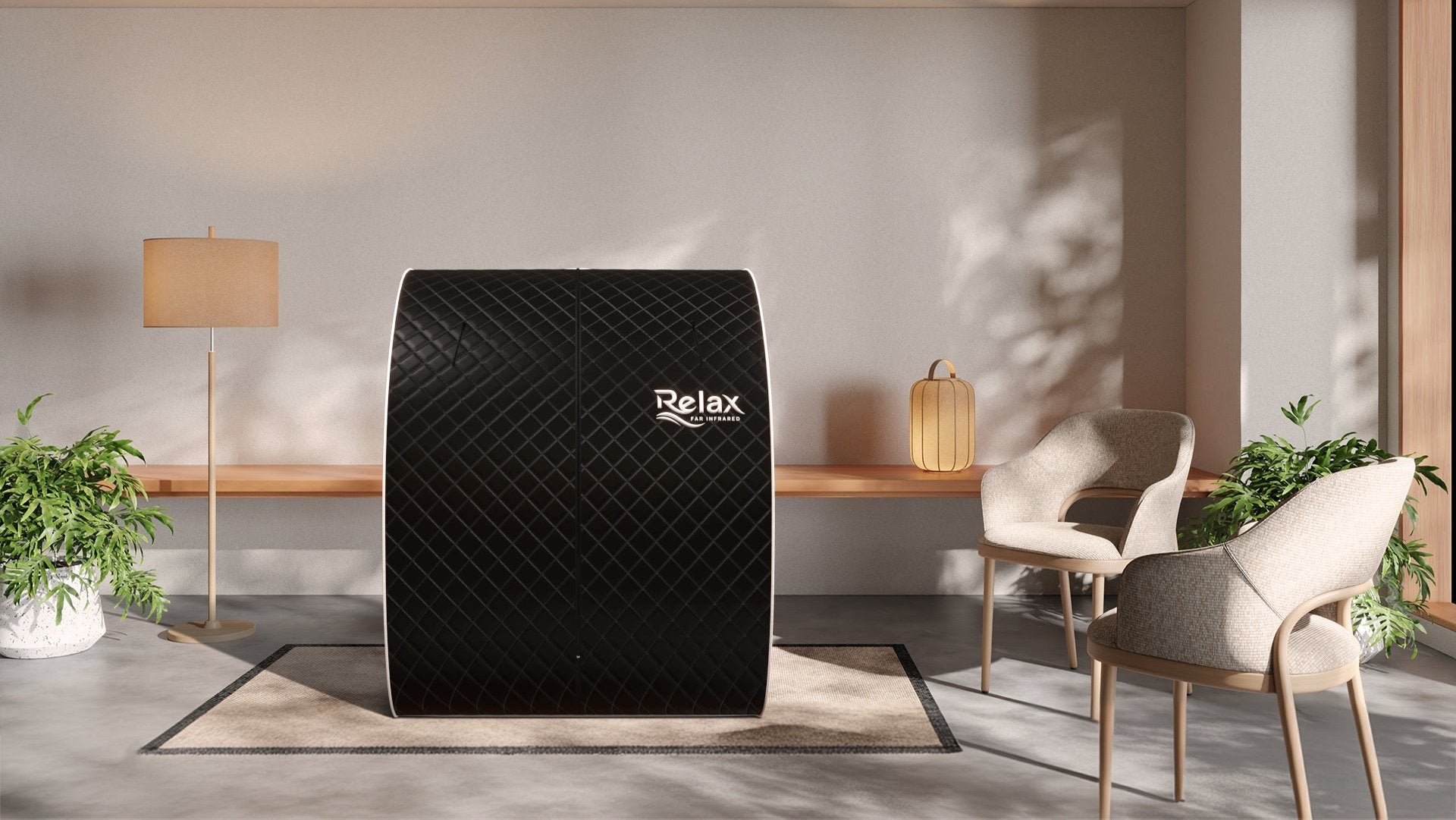
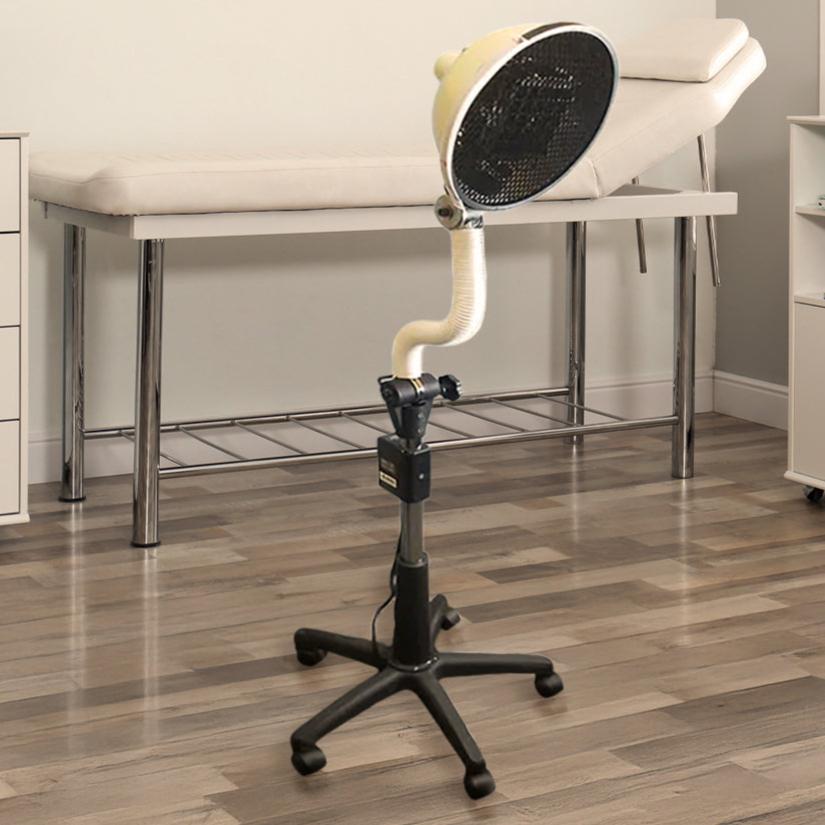
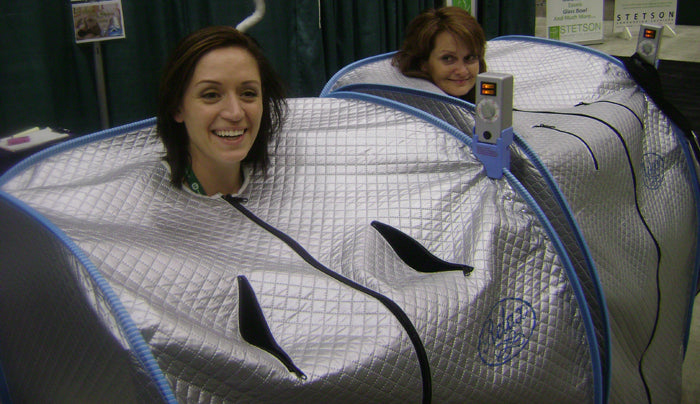
If your dialysis center doesn't yet offer FIR, a portable unit like the Relax Sauna can be used at home. The 7–14 μm wavelength band the Relax Sauna emits is the same band used in the published studies. Talk with your nephrologist and dialysis nurse about how to fit it into your schedule — they may want to coordinate timing with your dialysis sessions.
IMPORTANT MEDICAL DIRECTIVE
Please do not start any new therapy without talking to your nephrologist and dialysis team first. FIR is complementary to your dialysis care — never a replacement. If your fistula is already showing signs of trouble (weak thrill, high venous pressures during dialysis, prolonged bleeding after needle removal), you need vascular access evaluation first, then FIR as adjunct.
Note: If you have a graft (AVG) rather than a native fistula (AVF), the research above is specifically for fistulas; graft research is less developed but the underlying mechanisms should apply.
6. The Bottom Line
For hemodialysis patients, keeping the fistula working is one of the most important, ongoing challenges of dialysis life. Far-infrared therapy has some of the best clinical evidence of any complementary intervention for this exact goal — a proper randomized trial, a hard clinical endpoint (fistula patency), a full year of follow-up, and results replicated in later real-world studies.
It doesn't replace the vascular access team, the surgeon, or the interventional radiologist who may need to fix problems when they arise. What it appears to do — and the research supports this reasonably well — is reduce how often those problems arise in the first place. For a lifeline that matters that much, that's meaningful.
At a Glance
- The evidence: 145-patient RCT, 12 months, published in top nephrology journal
- The result: 86% vs 67% unassisted fistula patency
- Study protocol: 40 min per dialysis session, 3×/week
- Wavelength: 7–14 μm targeted FIR band
- How it works: Vasodilation + anti-inflammatory + anti-thrombotic
- Coordinate with: Nephrologist & dialysis care team
When to Get Access Evaluated
Contact your care team immediately if you notice:
- Weak or absent thrill (buzzing sensation) in the fistula
- High venous pressures during dialysis sessions
- Prolonged bleeding after needle removal
- Arm swelling on the fistula side
- Reduced dialysis efficiency (Kt/V values dropping)
The Relax Sauna
Delivers the same 7–14 μm far-infrared wavelength band used in the published dialysis fistula studies. Portable, safe, and appropriate for home use between dialysis sessions.



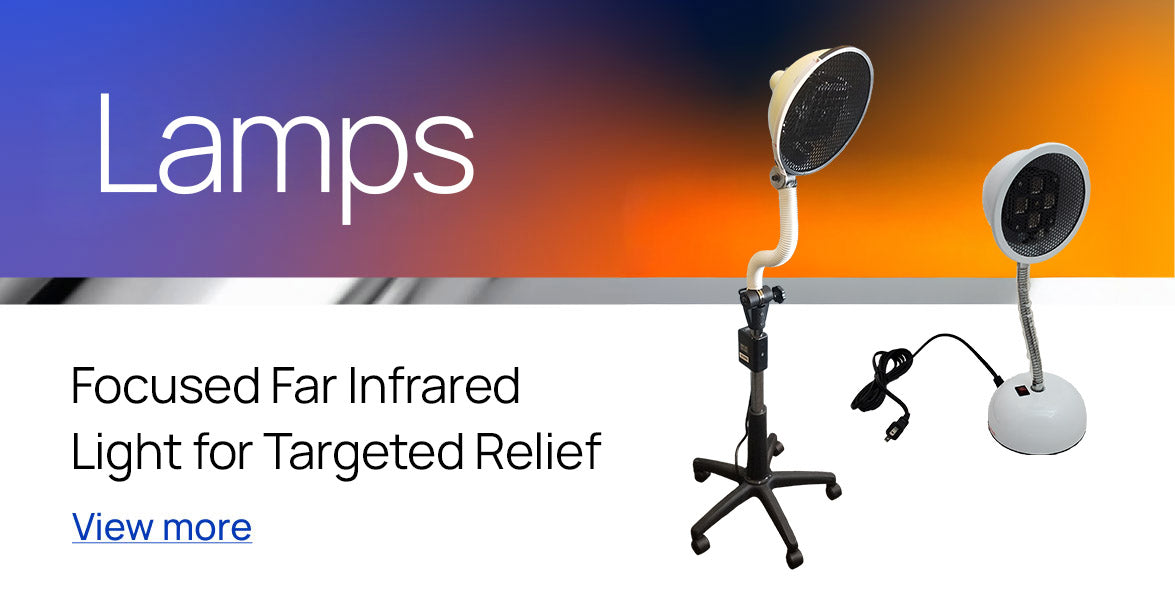
Explore the Relax Far Infrared Line Up


Feel the Momentum