Relax Small Fiber Neuropathy (SFN)
Small Fiber Neuropathy & Far Infrared
Supporting vasa nervorum microcirculation, systemic inflammation, and autonomic nerve terrain
1. Small Fiber Neuropathy: The Invisible Diagnostic Challenge
Small fiber neuropathy (SFN) is a peripheral nerve disorder resulting from selective damage to unmyelinated C-fibers and thinly myelinated A-delta fibers. These small nerve fibers handle critical sensations—pain, temperature discrimination, and light touch—as well as essential autonomic functions, including heart rate, sweating, blood pressure regulation, and digestion.
Patients living with SFN frequently endure years of perplexing symptoms—burning feet, electrical jolts, nocturnal pain, and orthostatic dizziness—while being told their standard diagnostic workups are entirely normal. This occurs because standard nerve conduction studies (NCS) and routine neurological exams measure large myelinated nerve fibers. In SFN, large fiber function and reflexes remain characteristically intact, rendering SFN diagnostically invisible on standard testing.
Diagnostic Gold Standard: Confirmation of SFN requires quantification of Intraepidermal Nerve Fiber Density (IENFD) via a 3mm skin punch biopsy immunostained with PGP 9.5 (demonstrating an 88% diagnostic sensitivity). A reduction in IENFD below age- and sex-adjusted normative values establishes the formal diagnosis. Corneal confocal microscopy provides a complementary, non-invasive alternative.

2. Symptom Profile & Underlying Causes
Small fiber damage leads to a complex dual presentation of somatic pain and systemic autonomic dysfunction.
Sensory Manifestations
Length-dependent stocking-glove distribution (feet affected first), burning, stabbing, electric shocks, nocturnal pain flare-ups, and severe allodynia (pain triggered by bedsheets).
Autonomic Manifestations
Sudomotor dysregulation (sweating abnormalities), heart rate fluctuations, reduced Heart Rate Variability (HRV), orthostatic hypotension, and GI motility issues.
Etiological Distribution
Diabetes and pre-diabetes represent the most prevalent causes, followed by autoimmune conditions (Sjögren's, lupus, celiac) and sodium channel mutations (SCN9A/10A/11A).
Idiopathic SFN & The Inflammatory Terrain
Notably, 25% to 49% of SFN cases remain classified as idiopathic after exhaustive evaluation. Emerging research indicates these cases are heavily driven by an underlying terrain of low-grade systemic inflammation, oxidative stress, and microvascular dysfunction.
3. The Mast Cell (MCAS) & Long COVID Connection
Small fiber neuropathy is increasingly recognized as a key pathophysiological feature in both Mast Cell Activation Syndrome (MCAS) and post-acute SARS-CoV-2 sequelae (Long COVID). Multiple prospective studies have documented significantly reduced intraepidermal nerve fiber density in Long COVID patients presenting with persistent neurological and autonomic symptoms.
In these populations, post-viral immune dysregulation and persistent mast cell mediator release spark ongoing microvascular inflammation and tissue hypoxia. This shared overlap highlights the necessity of multi-system "terrain" interventions that calm systemic cytokine activity and support microvascular perfusion simultaneously.
4. Current Pharmacological Options & The Evidence Gap
Conventional medical management relies heavily on symptomatic pain management using gabapentinoids (gabapentin, pregabalin), SNRIs (duloxetine), tricyclic antidepressants, and topical analgesics. While these pharmaceuticals can alter central pain signal transmission, they do not modify the underlying neuropathic process, improve vasa nervorum perfusion, or promote structural nerve maintenance.
Maastricht University Findings (2024)
A 2024 study published in Frontiers in Neurology explicitly characterized conventional SFN treatment as "mainly symptomatic, consisting of analgesics, with often disappointing results," emphasizing an urgent clinical need for broader biopsychosocial and terrain-level rehabilitation frameworks.
5. What Far Infrared Does — In Plain Terms
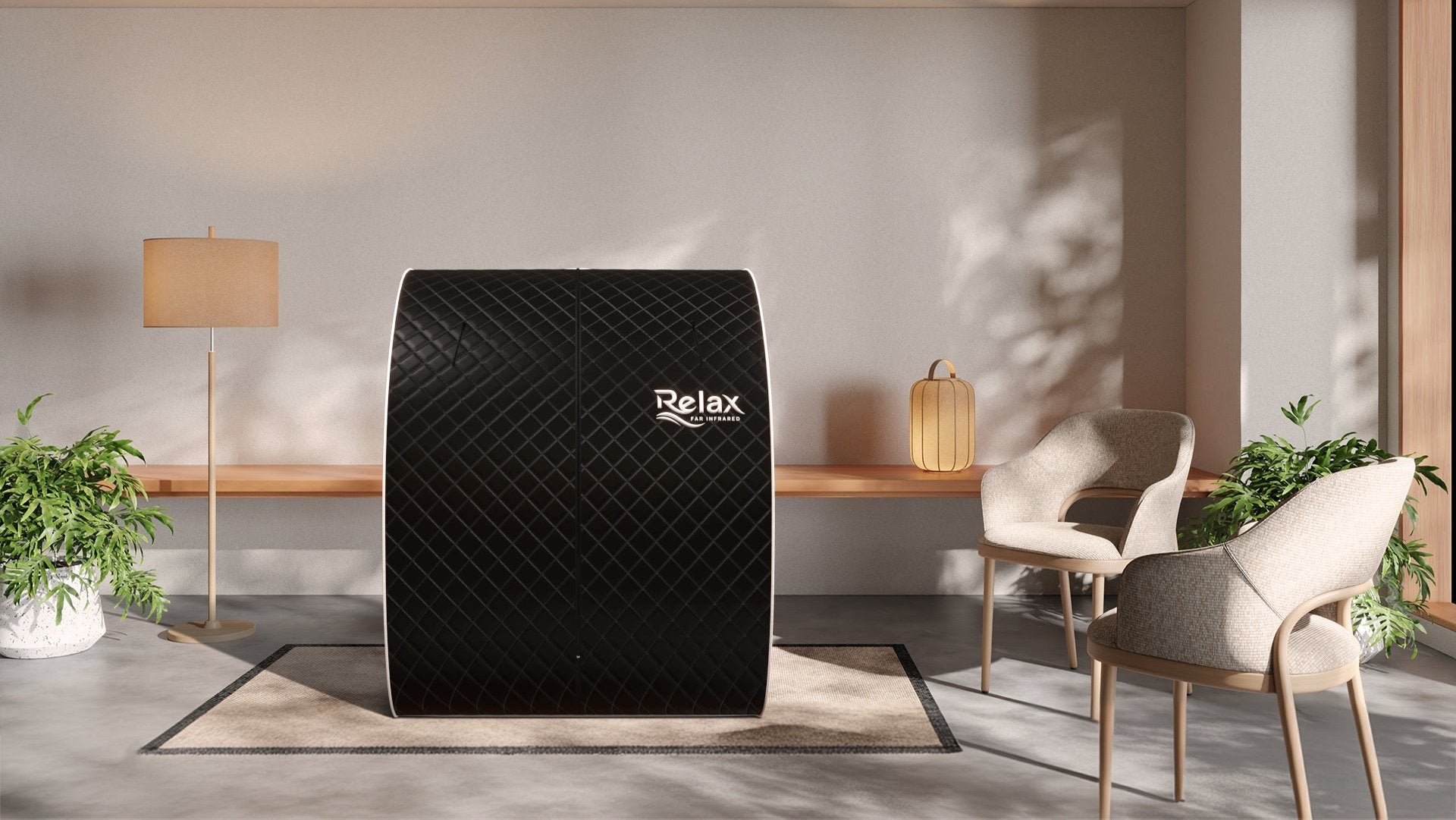
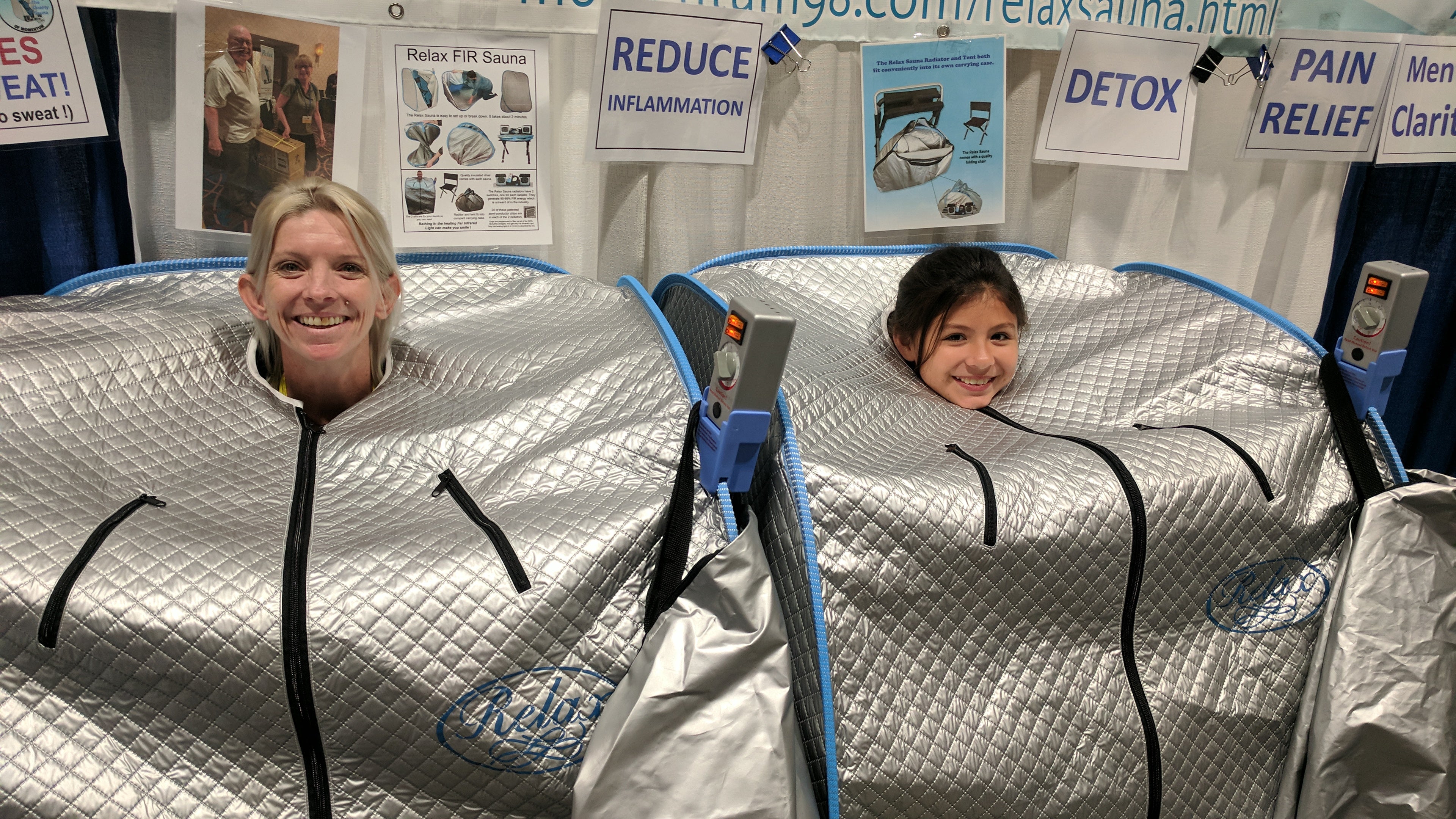
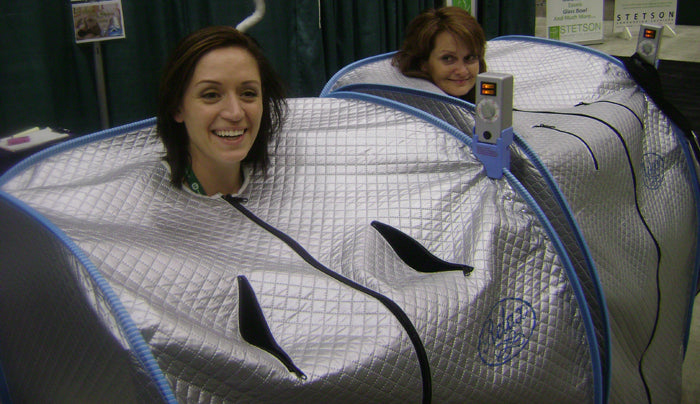
When you utilize a Relax Sauna, far infrared energy at a specific wavelength — 9.4 micrometers, the resonant frequency of biological water — is absorbed by tissue water. Core temperature rises gently, blood vessels dilate, and the biological environment shifts toward repair.
- Vasa Nervorum Microcirculation Support: FIR induces endothelial nitric oxide synthase (eNOS) upregulation and nitric oxide-mediated vasodilation, improving oxygenation to nerve fibers.
- Systemic Anti-Inflammatory Reduction: Key inflammatory markers (IL-6, TNF-alpha, NF-κB) are suppressed by regular FIR exposure, turning down the cytokine drivers of nerve degeneration.
- Oxidative Stress Protection: Repeated FIR therapy reduces urinary 8-epi-prostaglandin F2α—protecting vulnerable uninsulated C-fibers from oxidative lipid damage.
- Autonomic Recalibration: FIR promotes a parasympathetic shift and improves Heart Rate Variability (HRV), helping restore autonomic balance.
- Heat Shock Protein (HSP70) Neuroprotection: Mild thermal stress stimulates HSP70 expression, which inhibits pro-apoptotic signaling and supports axonal stability.
6. Clinical Evidence Matrix & Key Metrics
Key biological mechanisms supporting far infrared application in small fiber neuropathy terrain:
Honest Evidence Classification
- ESTABLISHED: Direct FIR trials for cytokine suppression, eNOS vasodilation, oxidative stress reduction, and HRV improvement.
- EMERGING: Application of microvascular perfusion to vasa nervorum and autonomic support in neuropathic populations.
- EXTRAPOLATED: Specific claims regarding direct structural nerve fiber regeneration. FIR serves as an adjunctive terrain modality.
7. How to Use FIR for Small Fiber Support
SFN patients often have impaired thermoregulation. A 24-hour multi-modal approach gradually builds thermal tolerance while delivering continuous support.
Step 1: Systemic Sauna
Weeks 1–2: Acclimatization
15 min, 3x/week. Titrate to 20–25 min maintenance (4–5x/week). Incorporate cyclic sighing breathwork.
Shop Saunas →
Step 2: Targeted Lamp
Distal Local Focus
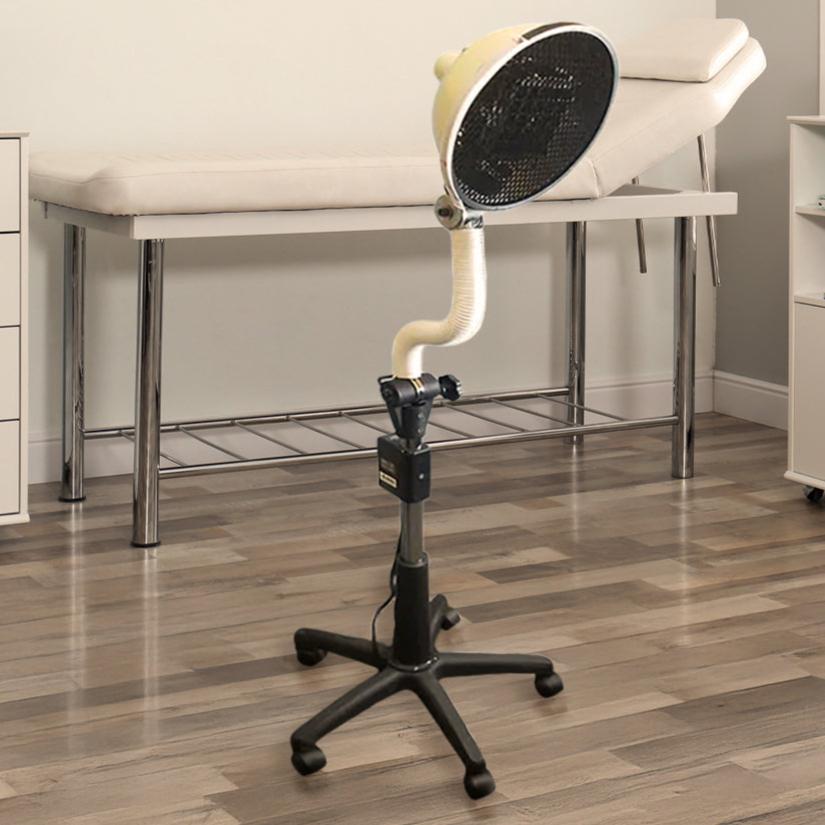
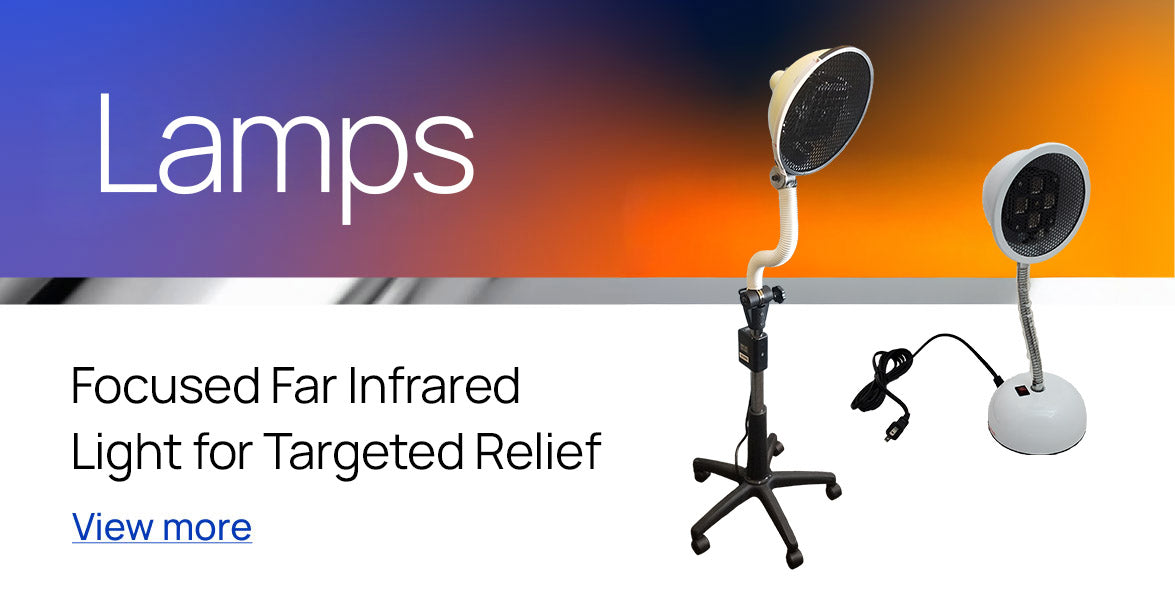
Position 10" from skin over lower extremities for 10–15 min per site, 1–2x daily for vasa nervorum focus.
Shop FIR Lamps →
Step 3: Post-Sauna Topical
Raylieve Emissives
Apply immediately post-sauna when skin warmth boosts absorption twofold. L-arginine supports local NO.
Shop Raylieve →
Step 4: Overnight Textile
HexTex Graphene
Utilize graphene bedding during sleep for passive, body-heat-driven FIR reflection during nocturnal surges.
Shop HexTex →
Monitoring Progress: Track morning resting HRV, numeric pain scores (NRS), and autonomic symptom response (COMPASS-31) over 6 to 12 weeks.



Explore the Relax Far Infrared Line Up


Feel the Momentum