Metabolic Syndrome: Three of Five
Metabolic Syndrome: Three of Five
Understanding the Cluster, Underlying Pathways, and Far-Infrared Therapy as a Cumulative Tool
1. The Cluster No One Names
Metabolic syndrome isn't a single disease. It's a cluster — a group of five specific clinical measurements that, when three or more of them fall on the wrong side of a defined threshold, dramatically raises your risk of heart disease, stroke, and Type 2 diabetes. If any three of these five criteria apply to you, you meet the diagnosis for metabolic syndrome.
Most people who have it don't know. Because each individual measurement — a slightly elevated blood pressure, a borderline blood sugar, a wider waistline than it used to be — often gets brushed aside as "not that bad." But taken together, the cluster tells a much more serious story about where your health is heading if nothing changes.
2. The Five Diagnostic Criteria
Defined by the National Cholesterol Education Program (NCEP ATP III). Any 3 or more indicates metabolic syndrome:
Waist Circumference
>40 inches for men, >35 inches for women. Central visceral fat is the strongest single marker.
Triglycerides
≥150 mg/dL fasting, or actively taking prescribed medication for elevated lipids.
Low HDL Cholesterol
<40 mg/dL in men, <50 mg/dL in women, or taking medication for low HDL.
Blood Pressure
≥130/85 mmHg, or currently taking anti-hypertensive medication.
Fasting Glucose
≥100 mg/dL, or currently taking medication for elevated blood sugar.
If you don't know your numbers, a basic blood panel and blood pressure screening with your healthcare provider will give you all five markers within a week.
3. What Actually Drives Metabolic Syndrome
Metabolic syndrome is sustained by four interconnected biological drivers that create a self-reinforcing loop:
Visceral Fat
Fat surrounding internal organs actively releases inflammatory cytokines that disrupt insulin, vascular, and lipid signaling.
Insulin Resistance
Cells lose sensitivity to insulin, driving higher blood sugar, elevated blood pressure, dyslipidemia, and central fat storage.
Chronic Inflammation
Persistent low-grade systemic inflammation damages blood vessel linings and degrades insulin receptor responsiveness.
Endothelial Dysfunction
The inner vessel lining loses nitric oxide synthesis, raising arterial stiffness, elevating BP, and impairing glucose delivery.
Because these drivers reinforce each other, effective interventions should address multiple points in the loop simultaneously. That is where far-infrared thermal therapy fits into a broader clinical lifestyle strategy.

4. Where Far-Infrared Therapy Fits In
Far-infrared light (FIR) in the 7–14 micrometer band activates thermal and non-thermal pathways that overlap directly with the drivers of metabolic dysfunction. While not a standalone cure, peer-reviewed clinical research demonstrates significant cumulative systemic benefits:
Mean reduction in systolic blood pressure documented in Type 2 diabetic patients following 20 minutes of FIR sauna therapy 3×/week for 3 months, alongside improvements in quality of life and reduced fatigue.
Key Published Clinical Studies
BLOOD PRESSURE & QUALITY OF LIFE IN DIABETICS
3-Month Clinical TrialFollowed Type 2 diabetes patients through 20-minute FIR sauna sessions 3×/week over 3 months. Results showed a statistically significant 6.4 mmHg drop in systolic blood pressure, quality-of-life improvements, decreased fatigue, and a positive trend toward reduced waist circumference.
ADIPOKINES & LIPID PROFILES IN OBESE WOMEN
3-Week Intensive TrialEvaluated obese women with Type 2 diabetes undergoing 20-minute thermal sessions 5×/week for 3 weeks. Results demonstrated elevated adiponectin (the hormone enhancing insulin sensitivity), increased HDL "good" cholesterol, and reductions in both leptin and LDL levels.
LARGE-SCALE POPULATION DIABETES RISK
20-Year Cohort StudyFollowed over 2,000 middle-aged men for 20+ years. Frequent sauna bathers (4–7×/week) exhibited a 47% lower risk of developing Type 2 diabetes compared to once-weekly users, demonstrating a clear epidemiological pattern between habitual thermal therapy and long-term metabolic protection.
What the Research Does NOT Show
A 2024 randomized crossover trial in older adults with Type 2 diabetes tested a single 40-minute FIR sauna session followed by an oral glucose tolerance test. The outcome: no acute improvement in postprandial glucose handling compared to control.
Key Takeaway: FIR sauna therapy is not an acute, single-use fix. A single session will not immediately lower blood sugar or reverse metabolic syndrome. The physiological benefits are cumulative — occurring over weeks and months of consistent use through improved endothelial function, adipokine modulation, and systemic inflammation reduction.
5. Realistic Expectations & Timeline
Studies showing measurable metabolic support generally utilize sessions of 15–30 minutes, 3 to 5 times per week, over a minimum of 8 to 12 weeks. Because metabolic dysfunction develops over years, reconditioning these pathways requires consistency over time.
Realistic Markers to Track Over 2–3 Months:
- Modest blood pressure reduction (typically 5–10 mmHg systolic)
- Improved daytime energy levels and reduced post-meal fatigue
- Enhanced sleep quality and thermal recovery
- Positive trend in waist circumference (when paired with dietary awareness)
- Modest improvements in fasting glucose and lipid markers at 3-month lab checkups
IMPORTANT MEDICAL DIRECTIVE
Consult your physician before starting thermal therapy. If you take blood pressure, diabetes (especially insulin), or lipid medications, FIR sauna therapy can enhance their physiological effects. This requires medical monitoring to avoid post-session hypotension or hypoglycemia.
If you have diagnosed cardiovascular disease (prior heart attack, angina, heart failure, arrhythmia) or kidney disease, obtain cardiology clearance prior to use.
6. The Bottom Line
Metabolic syndrome is common, quiet, and consequential. Meeting three of the five criteria places you on a high-risk trajectory for cardiovascular and endocrine disease. However, that trajectory can be altered. Core foundations remain dietary quality, physical activity, weight management, and prescribed medication. Far-infrared sauna therapy sits as a well-supported complementary tool — modulating vascular, inflammatory, and adipokine pathways steadily over months of consistent practice.
At a Glance
- Prevalence: ~35% of US adults (~50% over age 60)
- Diagnosis: 3 or more of 5 clinical criteria
- Best-studied protocol: 20 min, 3–5×/week × 3 months
- Key targets: BP, adiponectin, lipids, endothelial flow
- Not acute: Benefits build cumulatively over time
- Foundation: Pair with exercise, nutrition, and physician care
Talk To Your Doctor First If You...
- Take blood pressure or anti-hypertensive medications
- Take diabetes medications (especially insulin)
- Have known cardiovascular disease or heart failure
- Have diabetic peripheral neuropathy
- Have advanced chronic kidney disease
- Are pregnant or planning a pregnancy
The Relax Sauna
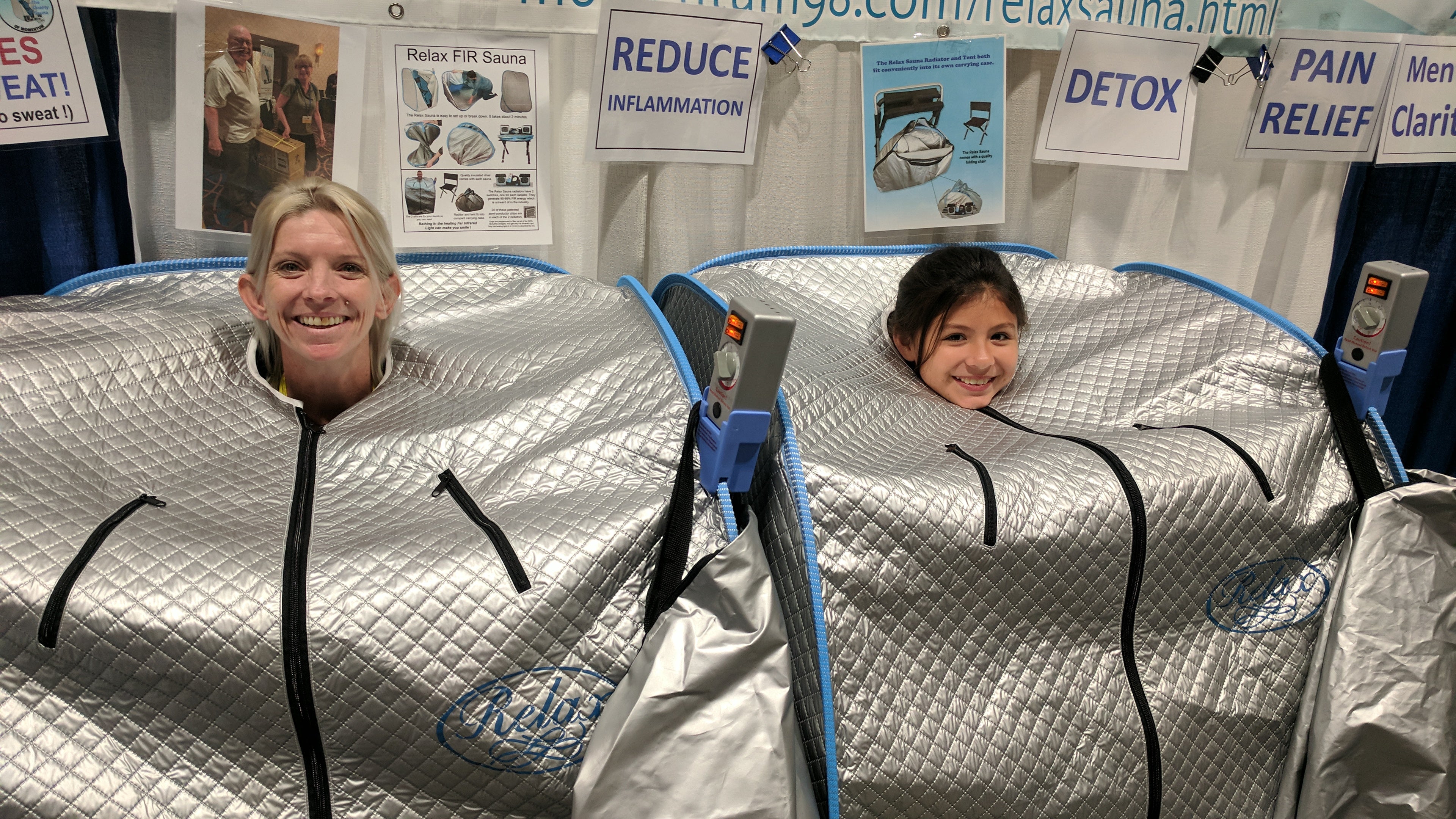
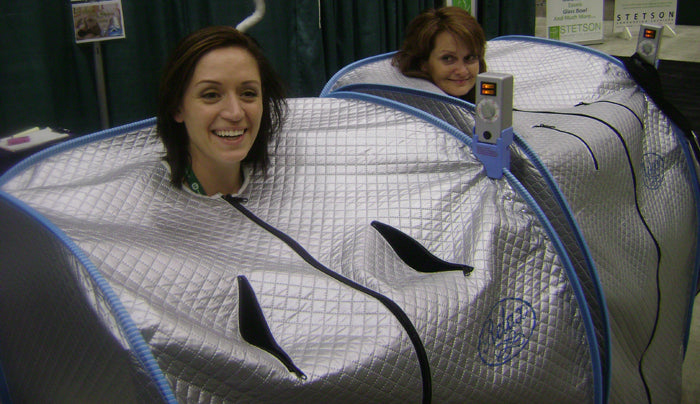
Delivers targeted far-infrared energy in the 7–14 μm wavelength band utilized in metabolic health research. Operates at ~140°F — offering a gentle, highly tolerable thermal climate suitable for cardiovascular wellness support.



Explore the Relax Far Infrared Line Up


Feel the Momentum