Eczema
Using Far Infrared for Eczema
A practical guide for Relax Sauna and Relax Lamp users — day-to-day maintenance, flare management, and the science behind both
1. What Eczema Actually Is & The Itch-Scratch Cycle
Eczema — formally called atopic dermatitis — affects roughly 31 million people in the United States and is one of the most frustrating chronic skin conditions to manage. It is not simply dry, itchy skin; it is a chronic inflammatory condition driven by a dysregulated immune response dominated by Th2 lymphocytes that overproduce inflammatory signals (IL-4, IL-13, and IL-31, the itch signal).
These mediators damage filaggrin—the protein that keeps skin cells tightly connected and moisture locked in—resulting in a leaky skin barrier. While far infrared therapy does not cure eczema, research shows it acts directly on systemic inflammatory burden and skin barrier integrity, extending the intervals between flares and reducing their severity.
The Chronic Itch-Scratch Cycle
Inflammation damages the barrier → A damaged barrier lets allergens in → Allergens trigger more immune activation → IL-31 activates itch receptors → Scratching damages the barrier further → The cycle restarts.
Interruption Strategy: FIR interrupts this cycle at the immune and barrier level—not by numbing the itch, but by reducing the inflammatory conditions that generate it.

2. What Far Infrared Does for Eczema Skin
Far infrared therapy alters four core physiological pathways involved in atopic dermatitis pathology:
Systemic Anti-Inflammatory
Measurably suppresses IL-6, TNF-alpha, CRP, and NF-κB (the master inflammatory switch), creating a less reactive immune environment that generates fewer flares.
Barrier Repair & Perfusion
Upregulates eNOS to boost microcirculation, supplying oxygen and nutrients to dermis cells. Induces HSP47 (collagen chaperone) to support structural protein synthesis.
Mast Cell Deactivation
Induces parasympathetic dominance, lowering sympathetic stress signals that prime mast cells. Studies show low-level light reduces mast cell counts and IL-4/IL-13 expression.
Sleep Architecture Support
Sleep deprivation elevates cortisol and inflammatory cytokines. FIR restores autonomic balance and sleep quality, breaking the cortisol-flare cycle from within.
3. About the Relax Lamp on Your Face — Addressing Safety
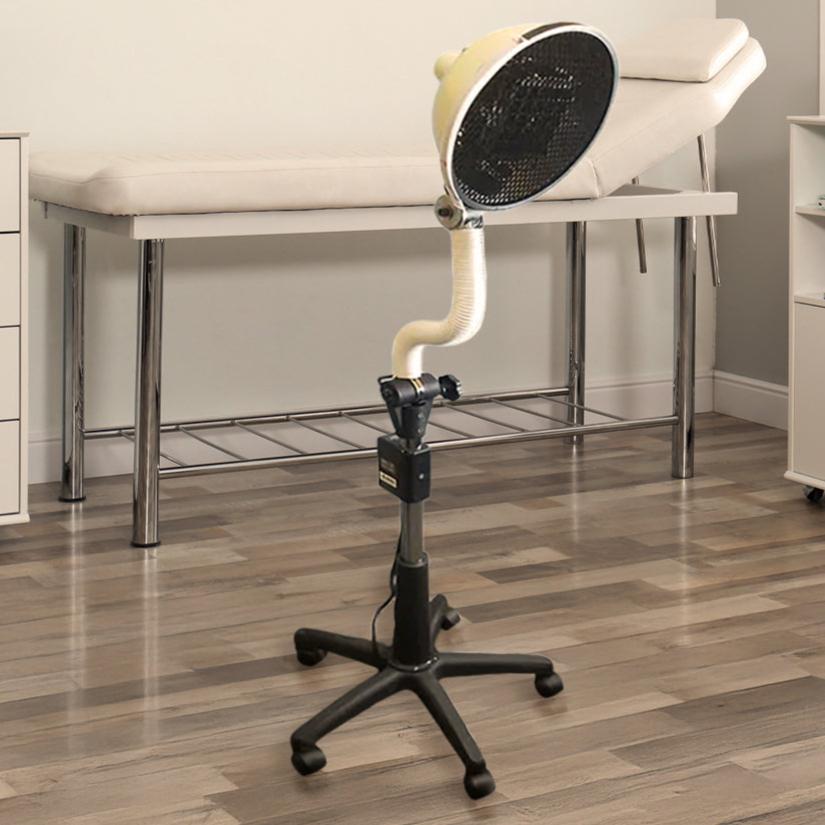
Concerns regarding infrared light and facial skin typically apply to high-intensity industrial heat lamps or prolonged, unprotected heat sources. They do not apply to the Relax Lamp when used at the recommended 10-inch distance for normal session durations.
The Non-Ionizing Radiation Principle
Far infrared radiation in the 4–14 µm therapeutic band is strictly non-ionizing. Each photon lacks the energy required to damage DNA or cellular structures—making it fundamentally different from ionizing ultraviolet (UV) radiation. It delivers resonant warmth designed for tissue benefit, operating within established medical safety parameters.
Facial Application Instructions: Keep eyes closed or use protective eyewear. Position the lamp 10 inches from the skin. Begin with 5–10 minute sessions and increase gradually as tolerated. Discomfort or excessive heat is your natural signal to increase distance—never rely solely on a timer.
4. Day-to-Day Maintenance Protocol (Between Flares)
Maintaining a consistent regime between active flares accumulates terrain-level anti-inflammatory adaptations:
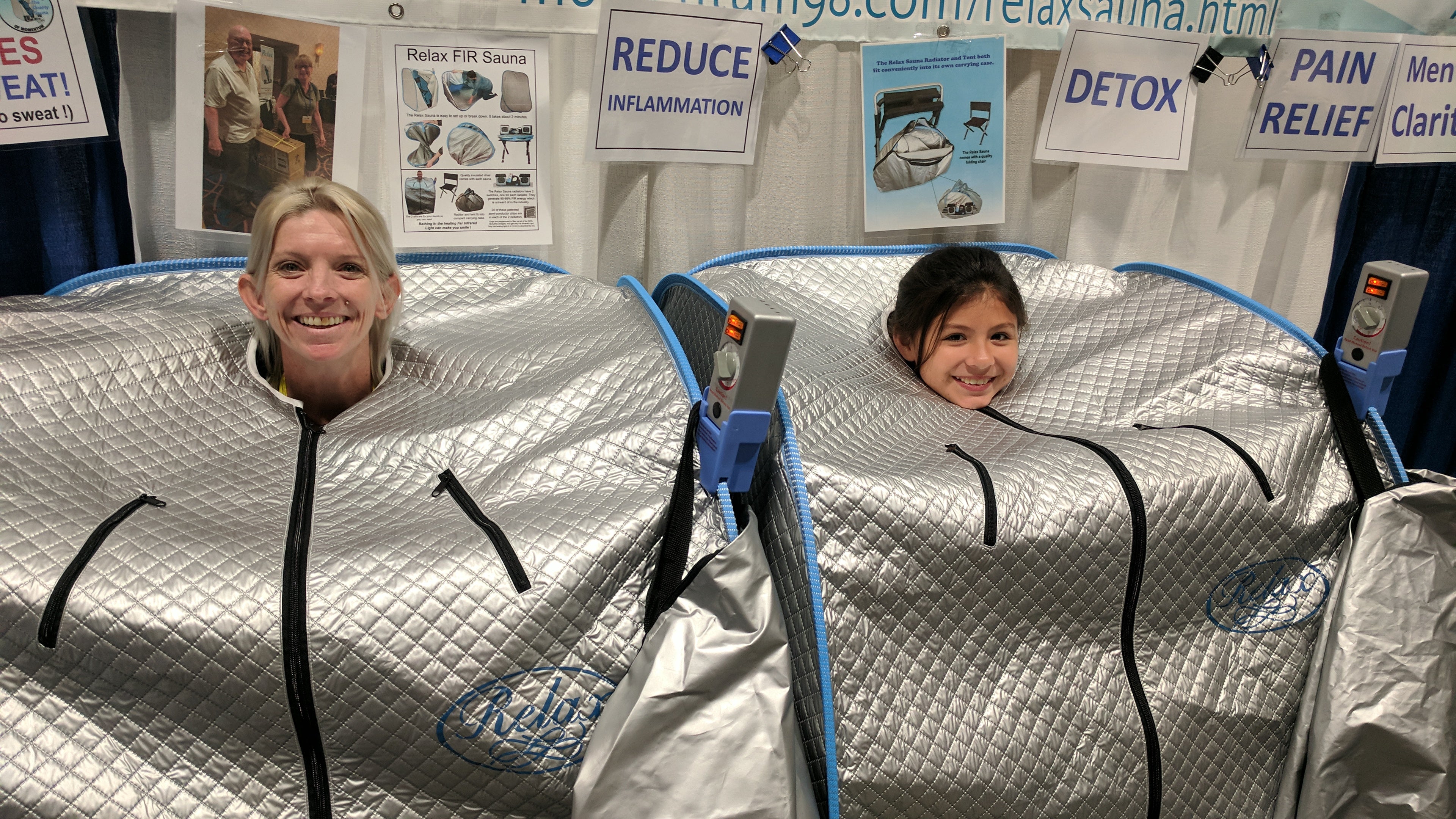
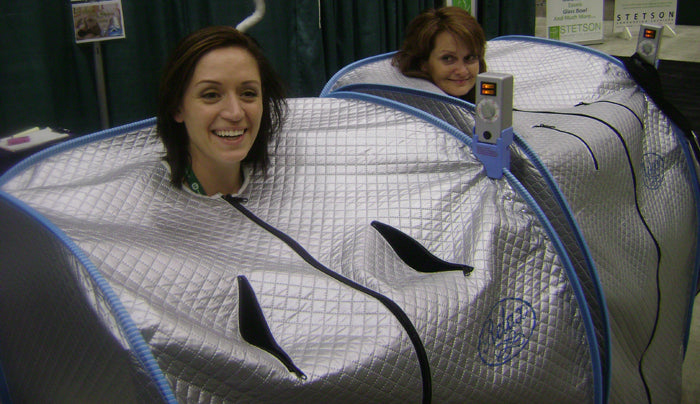
1. Systemic Sauna
4–5 Times Per Week
20–25 minutes at a comfortable temperature to systematically drive down systemic cytokine levels (IL-6, TNF-alpha) over time.
2. Immediate Raylieve Application
Within 3 Minutes Post-Sauna
Apply full-body while skin temperature exceeds 40°C. Skin permeability increases twofold, maximizing transdermal absorption of hyaluronic acid, vitamins, and minerals.
3. Targeted Relax Lamp
Daily Focal Sessions
10–15 minutes on chronically affected zones (knees, forearms). For face: 5–10 minutes at 10 inches with eyes closed, followed immediately by Raylieve.
4. Overnight Terrain
Sleep Environment
Utilize HexTex graphene fabric as a pillowcase insert or sheet to maintain passive FIR reflection and anti-inflammatory support during nighttime tissue repair.
5. Active Flare Management Protocol
During an active flare, the focus shifts to immediate barrier protection and local irritation management:
- Modify Sauna Duration: Heat can temporarily heighten itch in some individuals. Reduce sessions to 10–15 minutes at lower temperatures (2–3 times per week). If sessions consistently aggravate flares, pause until the acute phase subsides.
- Targeted Lamp Placement: Direct the Relax Lamp at 10–12 inches for 10 minutes (1–2x daily) around the margins of active lesions rather than directly on weeping or broken skin.
- Surrounding Barrier Topical: Apply Raylieve Crème to intact skin surrounding affected areas to support local hydration and microcirculation where structural repair occurs.
- Precautions & Avoidance: Avoid synthetic fabrics, fragrances, and occlusive covers over inflamed skin. Continue all prescribed dermatological treatments (corticosteroids, biologics)—FIR works as a complementary terrain therapy.
6. Key Metrics, Expectations & Timeline
Realistic Adaptation Timeline
- Weeks 2–4: Improved sleep architecture, autonomic regulation, and subtle reductions in baseline itch.
- Weeks 6–12: Measurable extension of the time intervals between active flares and decreased flare severity.
- 3–6 Months: Progressive structural improvements in skin barrier integrity and baseline immune tolerance.



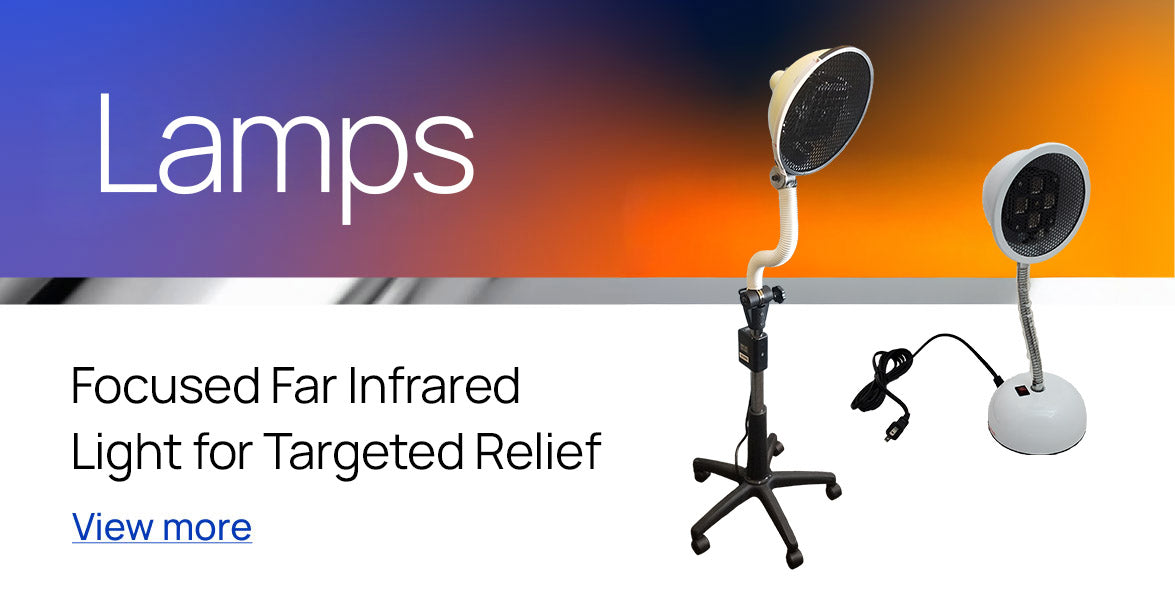
Explore the Relax Far Infrared Line Up


Feel the Momentum