Health Conditions - Chrohn's Disease
FIR Therapy for Crohn's Disease
An Adjunctive Strategy for Inflammation & Athletic Performance
1. The Therapeutic Rationale
Crohn's Disease involves a complex interplay of immune dysregulation and chronic inflammation. Emerging research suggests that Far Infrared (FIR) therapy offers a non-pharmaceutical adjunctive approach. By penetrating 2–5 inches into tissue, FIR addresses the underlying pathophysiology of IBD—including cytokine overproduction and mitochondrial fatigue—providing a supportive tool for both disease management and high-performance recovery.
2. Physiological Mechanisms
Anti-Inflammatory Pathways
FIR suppresses pro-inflammatory cytokines like IL-6 and TNF-α by modulating NF-κB signaling, limiting the inflammatory cell recruitment that drives tissue damage.
Enhanced Microcirculation
By stimulating endothelial nitric oxide (NO) release, FIR promotes vasodilation and improves oxygen utilization—critical for healing intestinal barrier dysfunction.
Mitochondrial Optimization
FIR targets Cytochrome c Oxidase in the electron transport chain, boosting ATP efficiency and aiding recovery from the chronic fatigue often associated with Crohn's.
Autonomic Balance
FIR helps shift the nervous system away from sympathetic overdrive, enhancing vagal tone and reducing cortisol, which is essential for maintaining remission during high-stress periods.
3. Applications for High-Performance Athletes
For athletes managing IBD, FIR serves as a recovery catalyst that does not introduce the side effects of pharmacological interventions:
- Accelerated Recovery: Enhanced perfusion delivers nutrients to damaged tissues faster after training.
- Fatigue Management: Directly counters the training-load fatigue exacerbated by IBD.
- Training Integration: Ideal for post-exercise recovery to resolve training-induced inflammation without drug dependency.

4. Recommended Protocol
Frequency: Start with 3–5 sessions per week during initial phases; transition to 2–3 sessions for maintenance.
Duration: 15–30 minutes per session, based on individual tolerance.
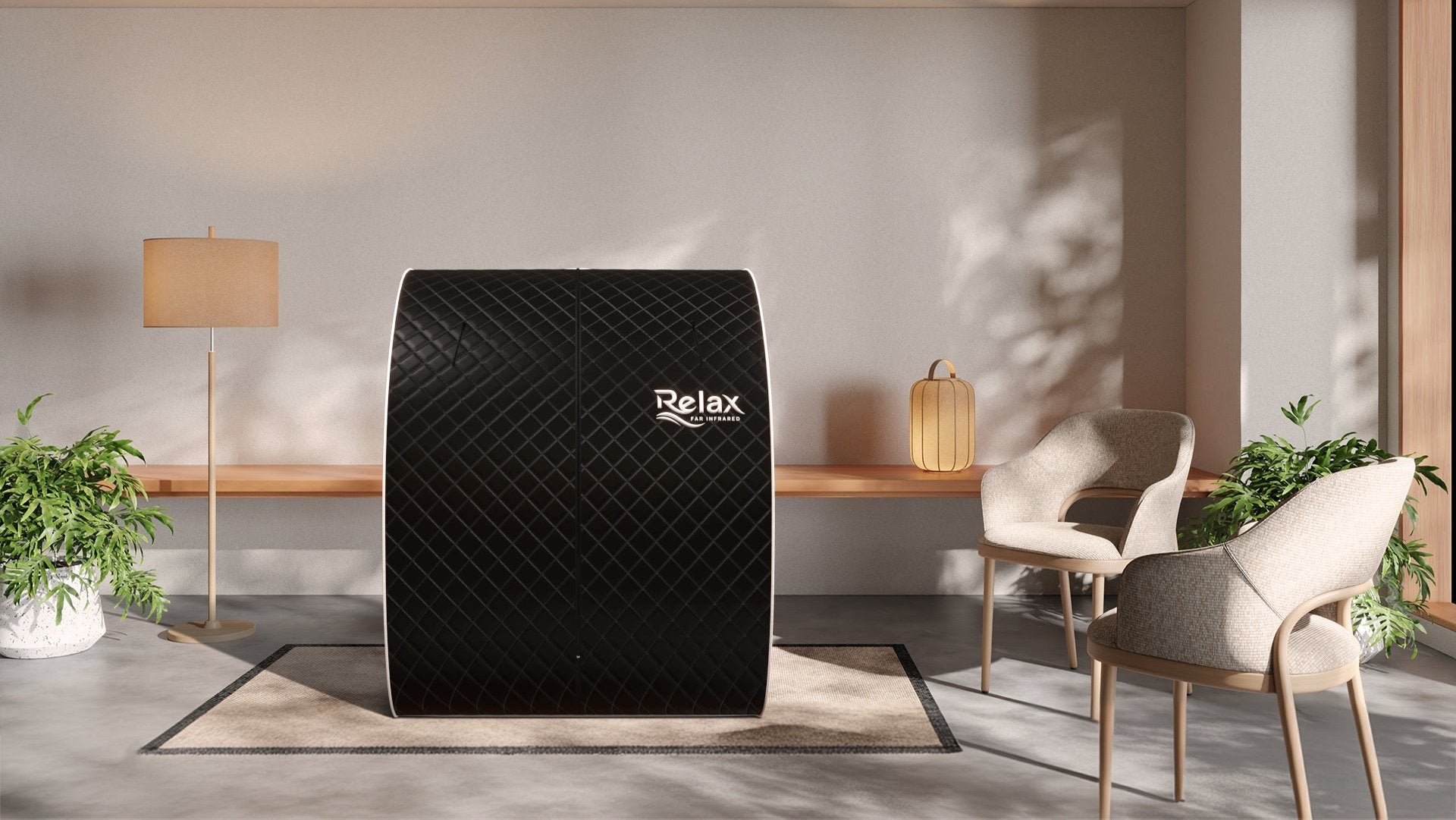
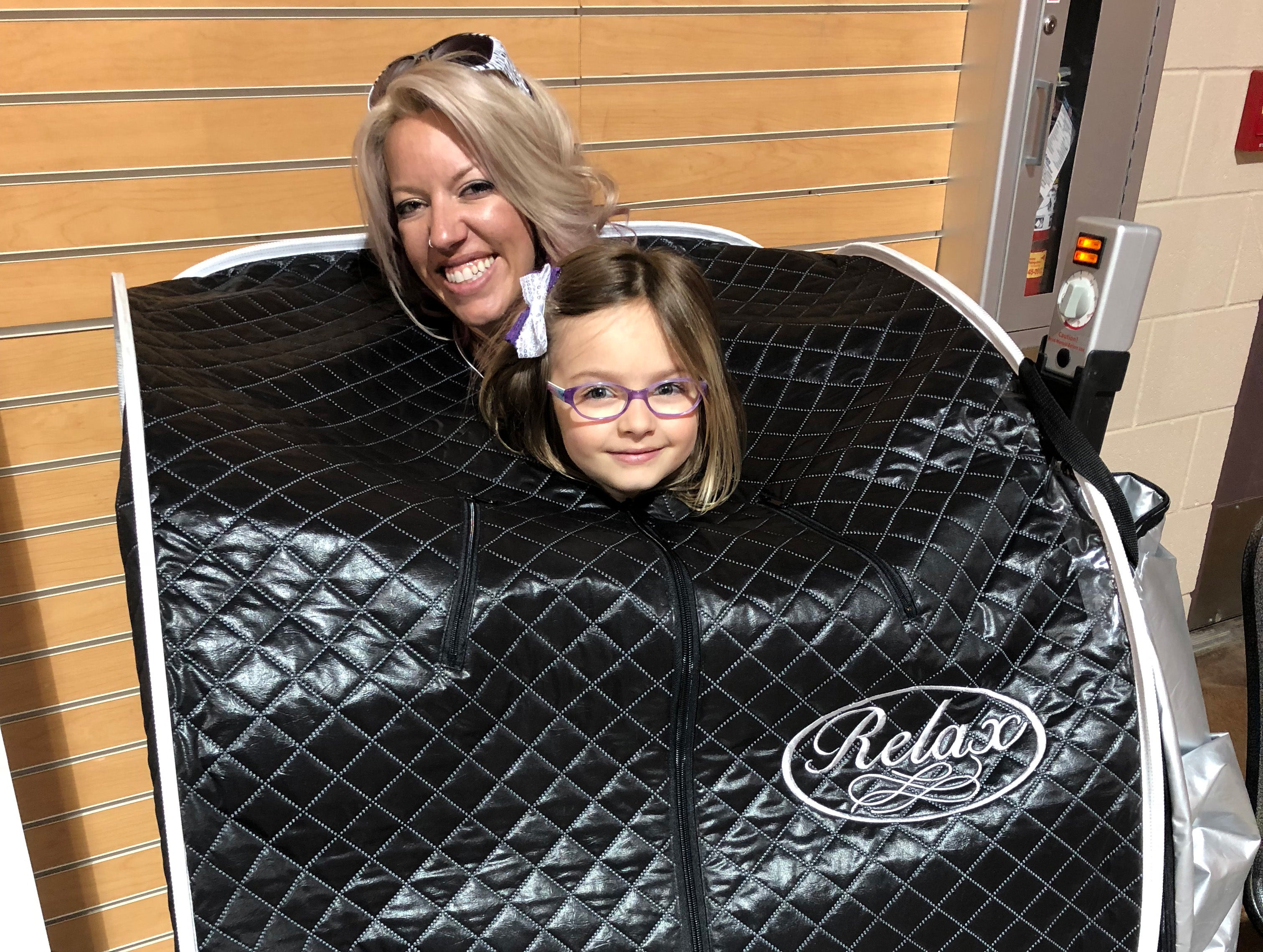
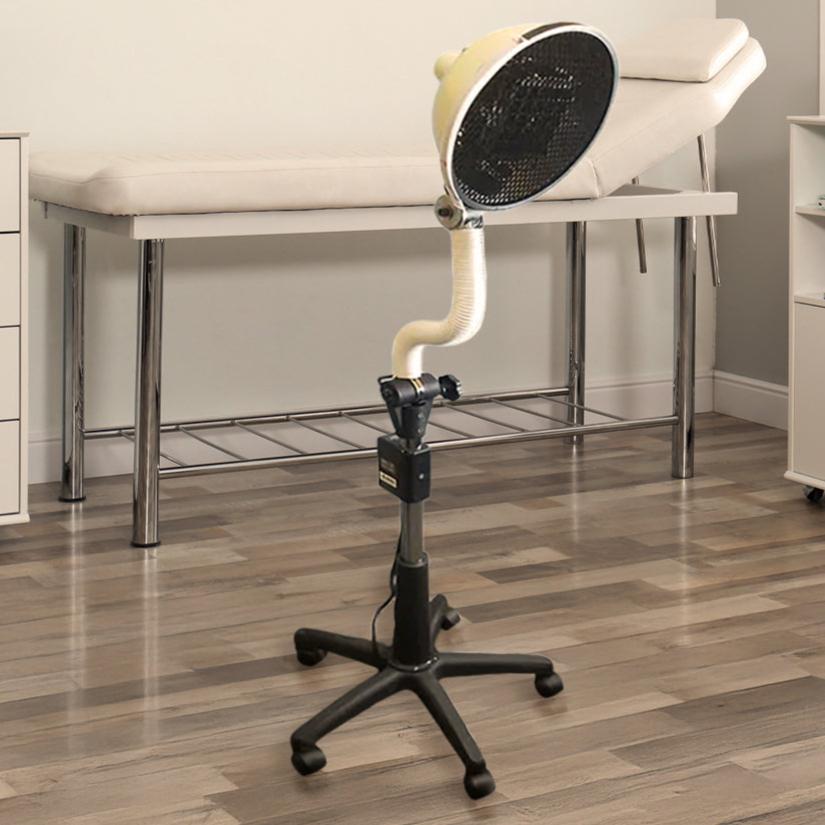
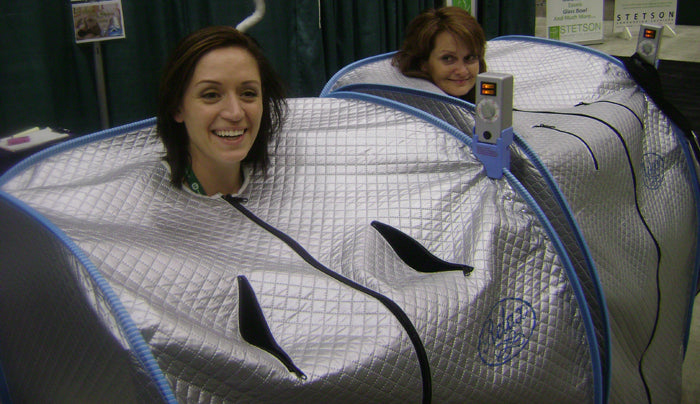
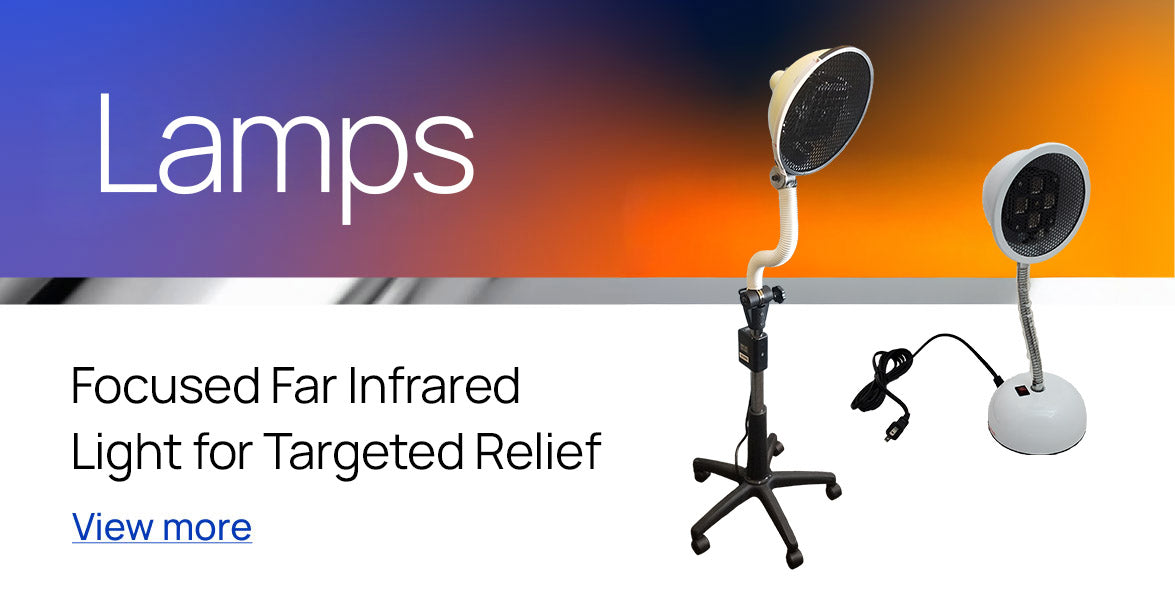
Application: Use full-body systems for systemic anti-inflammatory benefits or portable devices for localized tissue repair.
5. Safety Considerations
FIR therapy is generally well-tolerated, but clinical context is paramount:
- Consultation: Always discuss FIR integration with your gastroenterologist, especially regarding biologic or immunosuppressant timing.
- Active Flares: Use caution during severe active disease states; prioritize hydration.
- Not a Replacement: This modality is strictly adjunctive and does not replace established medical management.
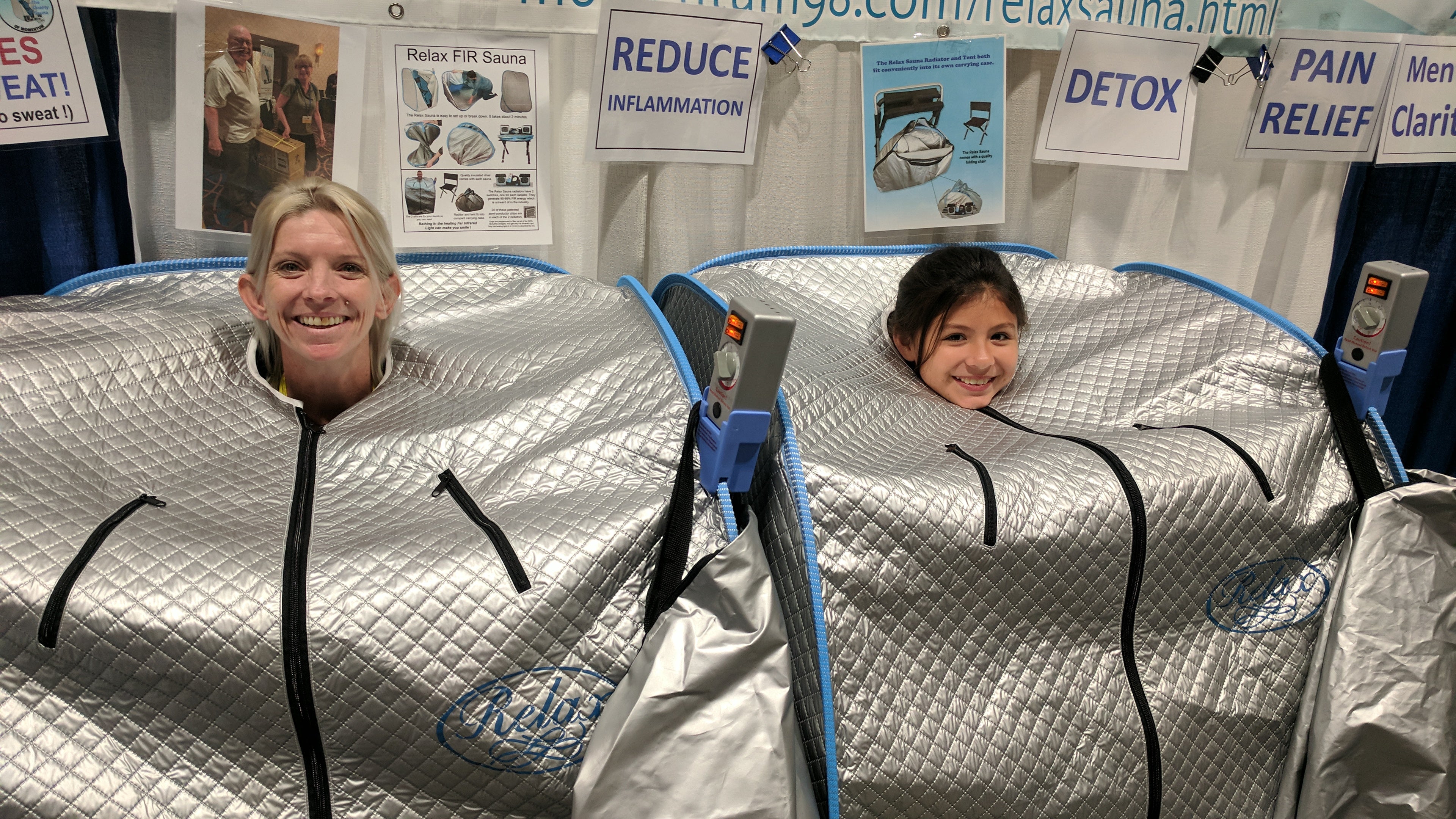
6. Testimonial



Explore the Relax Far Infrared Line Up


Feel the Momentum