Far-Infrared Therapy for Fire Departments
How Far-Infrared Saunas Protect Firefighters from Silent Threats
A Plain-Language Scientific Review for Fire Chiefs Considering FIR Sauna Programs at the Firehouse
This review is written for fire chiefs who are evaluating whether to put a far-infrared (FIR) sauna in their firehouse. It explains, in plain language, what FIR is, what it does to the body, what the published science shows, and how each finding maps onto the specific health risks your firefighters face: cancer, sudden cardiac events, toxic chemical exposure, sleep disruption, and PTSD.
1. The Three Threats Killing Your Firefighters
Before any discussion of FIR or anything else, a chief needs to know what the actual occupational health threats are. The data on firefighter mortality is not subtle, and it has shifted significantly over the past 20 years. The dragon you trained for in academy — burns, smoke inhalation, structural collapse — is no longer the main thing killing your people. The main threats are slower, quieter, and harder to see, which is exactly why they need a department-level response.
Sudden Cardiac Events
Sudden cardiac events are the single largest cause of firefighter line-of-duty deaths in the United States, accounting for roughly 45% of all on-duty fatalities. For every firefighter who dies of a cardiac event on duty, another 17 survive a non-fatal cardiovascular event. Almost all these incidents — 98% — are associated with physical exertion: fire suppression, training, alarm response, or strenuous activity in the prior 24 hours. The case-control work by Stefanos Kales and his colleagues at Harvard, published in the New England Journal of Medicine and Circulation, established that the relative risk of sudden cardiac death during fire suppression is 64 times baseline.
Occupational Cancer
Firefighters have higher rates of certain cancers than the public, and the gap has widened as building materials and modern fire chemistry have changed what burns. The major epidemiological work — including the LeMasters meta-analysis and the Daniels NIOSH cohort — established that firefighters face elevated risk for non-Hodgkin's lymphoma, multiple myeloma, prostate cancer, testicular cancer, kidney cancer, and mesothelioma, among others. The IARC reclassified firefighting as a Group 1 carcinogenic occupation — meaning carcinogenic to humans, the highest category — in 2022.
The exposure pathway is multifactorial: combustion products (polycyclic aromatic hydrocarbons, benzene, formaldehyde, dioxins), diesel exhaust at the bay, asbestos in older structures, and increasingly, per- and polyfluoroalkyl substances (PFAS) from turnout gear, aqueous film-forming foam (AFFF), and contaminated equipment. The 2023 review by Mazumder and colleagues at North Carolina State documented that PFAS migrate from the outer layer of turnout gear into untreated inner layers and that elevated PFAS levels are detectable in firefighter blood serum compared to the general population.
Mental Health, Sleep, and PTSD
Firefighters experience PTSD at roughly 20–22%, compared to about 8% in the general U.S. population. Depression affects an estimated 30% of firefighters at some point in their career. Alcohol use disorder is substantially more common in the fire service than in the general population, with self-medication of trauma and sleep disruption a documented contributor. Most career firefighters have measurable sleep disorders, driven by shift work, repeated nighttime alarms, and chronic stress.
Three threats. Cardiac. Cancer. Mental health and sleep. They are biologically connected — the same chronic inflammation, oxidative stress, and dysregulated stress response thread through all three — and any intervention that can address the upstream physiology has potential leverage on multiple downstream problems at once. That is the framework for evaluating FIR.
2. What Far-Infrared Therapy Actually Is
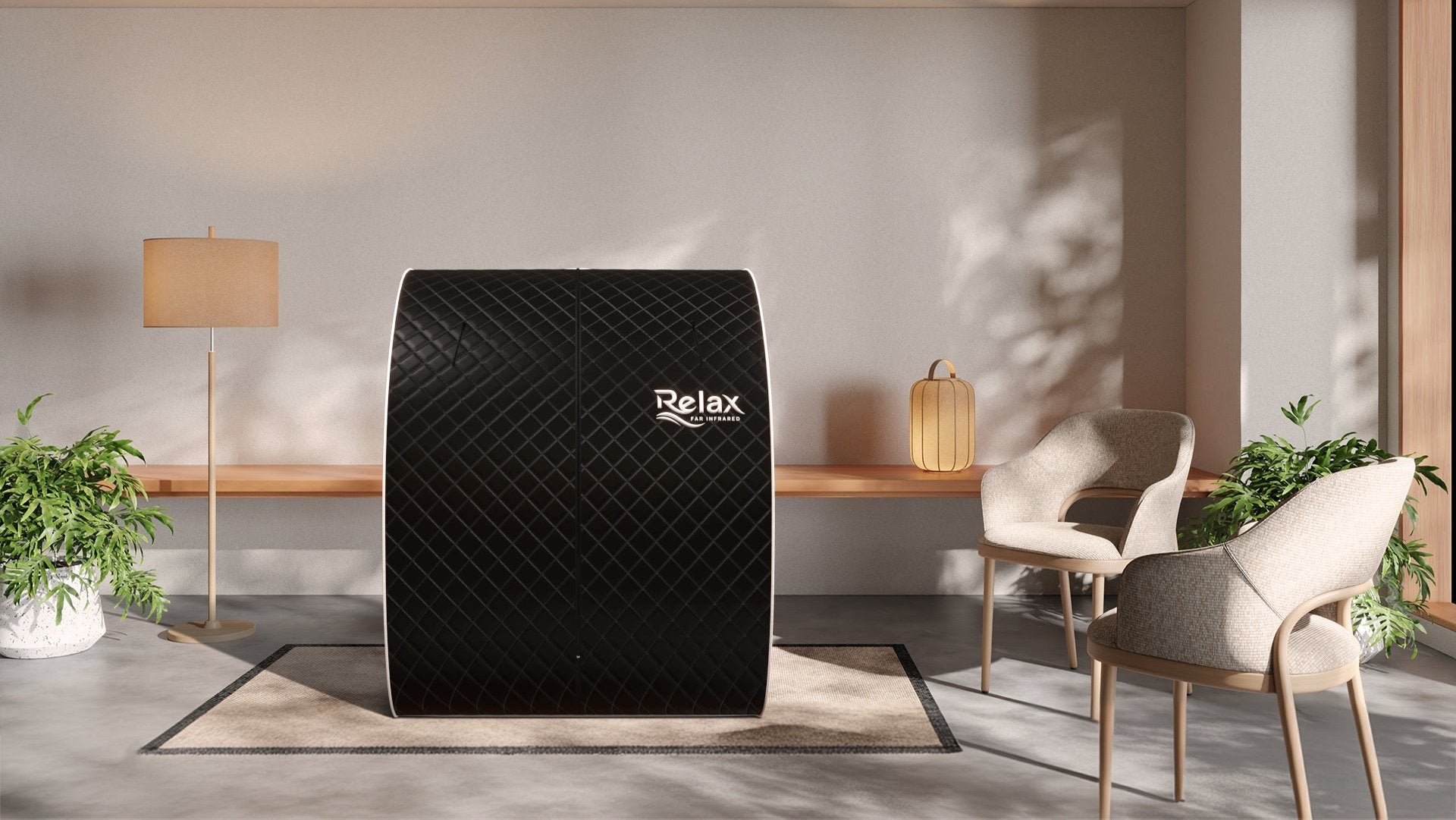
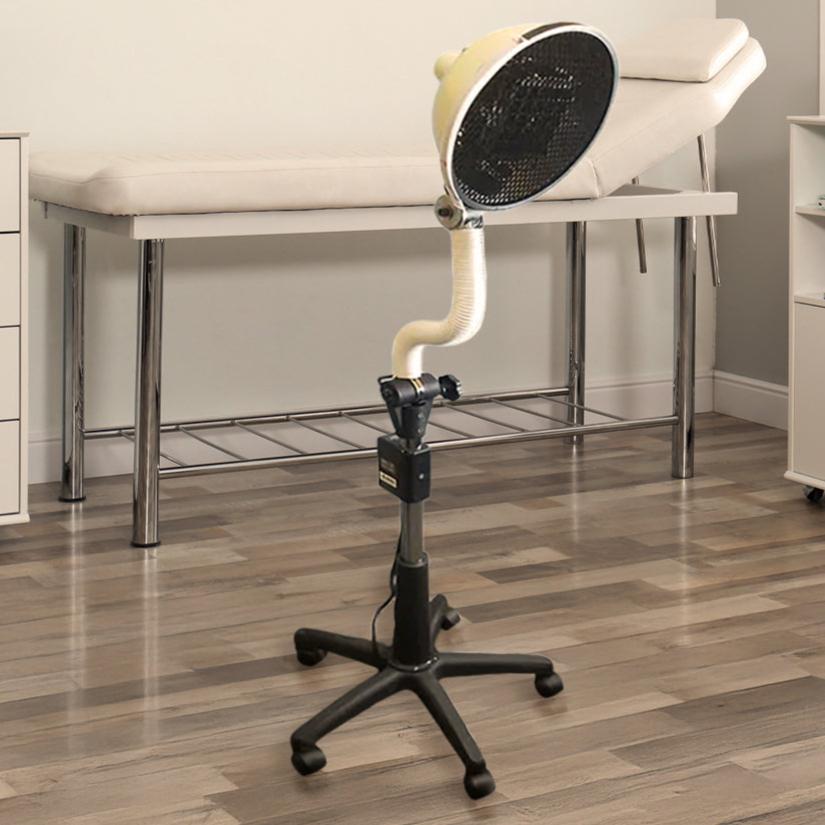
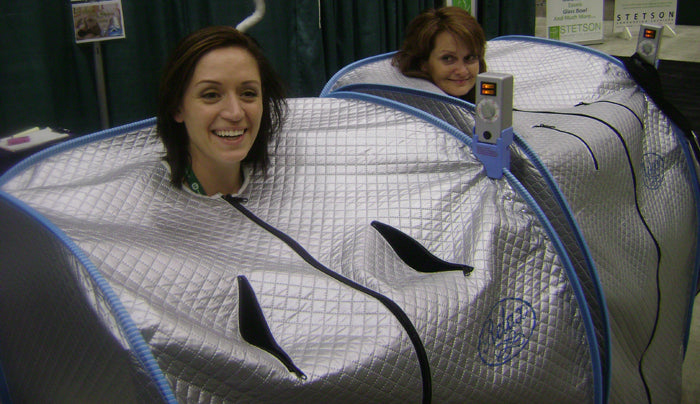
Far-infrared (FIR) is a band of invisible light at the long-wavelength end of the spectrum that warms the body the way the sun does on a winter day — directly, without much air heating in between. It is not ultraviolet (no DNA damage, no skin cancer risk). It is not microwave (no radiofrequency tissue heating). It is the same band of energy your own body emits continuously, which is what thermal imaging cameras detect. A FIR sauna uses panels engineered to emit primarily in the 7–14 micrometer range — the range your body absorbs most efficiently because it resonates with the natural vibration frequencies of water molecules in your tissues.
This matters because it means a FIR sauna is mechanistically different from a traditional Finnish sauna. A Finnish sauna heats the air to 175–200°F (80–95°C), and the air then heats your body. A FIR sauna runs at a much cooler air temperature of 110–140°F (43–60°C) but warms the body directly through radiant energy. The result is similar (your core temperature goes up, you sweat, your heart rate increases), but the route is different, and the cooler air temperature is generally easier on people who find traditional saunas oppressive.
- • Perfusion & Performance: Skin and subcutaneous blood flow increase. Mitochondria — the energy producers in your cells — function more efficiently under modest thermal stress, with measurable increases in ATP production.
- • Inflammatory Modulation: Inflammatory signaling molecules in the blood (TNF-α, IL-6) decrease with regular exposure, while protective Heat Shock Proteins rise.
- • Endothelial Protection: Endothelial function — the health of the inner lining of your blood vessels — improves through nitric oxide signaling pathways.
The 2024 Phase 1 randomized trial of a FIR-emitting patch, published in Experimental Dermatology, used precision imaging to confirm that wearable FIR devices produce measurable improvements in skin perfusion and oxygen consumption in human subjects. This is hard physiological data showing that technology actually does in people what the bench science predicted.
 3. How FIR Maps onto Firefighter Health Threats
The case for putting a FIR sauna in a firehouse rests on whether the documented effects of regular FIR exposure plausibly address the documented health threats firefighters face. This is the part where chiefs need to evaluate the evidence honestly — separating what the research has shown from what wellness marketers claim.
3.1 Sauna and Cardiovascular Mortality — The Strongest Evidence
The cardiovascular benefit data on sauna use is the most rigorous evidence in the entire sauna literature, and it directly addresses the leading cause of firefighter line-of-duty death. The Finnish Kuopio Ischemic Heart Disease Risk Factor Study, published in JAMA Internal Medicine in 2015 by Laukkanen and colleagues, followed 2,315 middle-aged men for an average of 20.7 years. After controlling for established cardiovascular risk factors, men who used a sauna 4–7 times per week had a 50% lower risk of fatal cardiovascular events and a 40% lower risk of all-cause mortality compared to men who used a sauna once per week. The dose-response relationship was clear: more sessions, more benefit.
The mechanisms underlying the cardiovascular benefit have been worked out in subsequent studies. Regular sauna use lowers blood pressure, improves arterial compliance (the elasticity of the arteries), reduces systemic inflammation as measured by C-reactive protein, improves endothelial function, and produces favorable changes in lipid profiles. The cardiovascular system adapts to repeated heat stress in ways that mirror the adaptations to moderate aerobic exercise — increased plasma volume, improved cardiac output, lower resting heart rate, better thermoregulatory control. A 2021 mechanistic review specifically focused on high-stress occupations including firefighters concluded that regular sauna bathing is a practical adjunct for cardiometabolic risk reduction in this population.
3.2 Sauna and Toxic Chemical Excretion
The strongest evidence that sweating helps clear certain toxic chemicals comes from the work of Stephen Genuis, Margaret Sears, and Kevin Kerr, who published a series of analyses of blood, urine, and sweat in human subjects. The most-cited paper, the BUS Study (Blood, Urine, and Sweat) published in 2012, found that some toxic elements were detectable in sweat at higher concentrations than in either blood or urine — and were sometimes detectable in sweat when not detectable in blood or urine at all. Cadmium, mercury, lead, and arsenic all appeared in measurable concentrations in induced sweat, and the authors specifically noted that firefighters "by the nature of their occupations, may be advised to regularly undertake induced sweating."
The International Association of Fire Fighters (IAFF) reviewed this literature and produced a 2017 position document titled Sauna Use for Detoxification After Fire Suppression. The IAFF position acknowledged that the science was not yet definitive but concluded that "sweating should receive additional consideration for toxic element detoxification" and recommended further research. That research is now in progress: the HealthPartners Institute is running an active trial (NCT05256966, the Firefighter Soot, Sauna, and Sweat Excretion Pilot Study) specifically evaluating whether sauna use after active-duty firefighting reduces excretion of polycyclic aromatic hydrocarbons (PAHs), the carcinogenic component of soot.
3.3 Sauna, Sleep, and the Stress Response
Regular sauna use produces measurable improvements in sleep quality, autonomic nervous system balance, and subjective stress in published studies of general populations and high-stress occupations. The mechanism is the same one that underlies the cardiovascular benefit: regular heat exposure trains the body to shift more readily out of sympathetic dominance ("fight or flight") into parasympathetic recovery ("rest and digest"). For firefighters whose nervous systems are repeatedly hammered by alarms, traumatic calls, and shift disruption, the physiological state of being chronically stuck in sympathetic dominance is the upstream driver of poor sleep, hypertension, anxiety, and eventual cardiovascular events.
The Patrick and Johnson 2021 mechanistic review summarized the evidence that regular sauna use improves heart rate variability (a marker of parasympathetic tone), reduces cortisol, and improves subjective sleep quality. The Finnish prospective cohort work additionally found reduced rates of dementia and Alzheimer's in regular sauna users, suggesting the cumulative neurological effects of chronic stress reduction extend well beyond the immediate session.
3.4 The Honest Limitations
Three critical guardrails every fire chief must understand:
- FIR sauna is not a cancer treatment. It is a cancer-risk reduction strategy via chemical excretion and inflammation reduction. The firefighter-specific direct survival trials are ongoing.
- It does not replace primary engineering controls. On-scene gross decon, advanced gear-laundering protocols, and tactical cleaning initiatives are still your front line.
- It does not replace NFPA 1582 medical evaluations. Introducing thermal stress requires vigilant screening to ensure undiagnosed advanced cardiac pathologies are flagged first.
4. Safety, Contraindications, and Practical Considerations
FIR saunas are generally safe for healthy adults, but there are specific medical contraindications that a chief must enforce: uncontrolled hypertension, unstable angina, recent myocardial infarction, severe aortic stenosis, decompensated heart failure, active infection with fever, and specific medications that impair standard thermoregulation.
The Frequency Matrix: The Finnish data shows clear dose-response tracking. The threshold for substantial mortality reduction was found at 4–7 sessions per week. For a firefighter on a standard 24/72 shift schedule, achieving this target requires an on-site station layout coupled with personal off-duty access options.
5. Cost, Implementation, and Decision Framework
A FIR sauna installation in a firehouse is an inexpensive capital expense. Operating costs are exceptionally modest — primarily electricity (a typical FIR sauna costs less than a dime an hour to power) and minimal structural maintenance. Compared to the massive fiscal cost of a single firefighter cardiac event — direct medical costs, workers' compensation, line-of-duty death benefits, and training a replacement — a sauna installation represents a small fraction of a single bad outcome.
The 2016 cost-effectiveness analysis of workplace wellness programs for firefighter cardiovascular event prevention by Patel and colleagues, published in BMC Public Health, concluded that wellness-fitness programs were highly cost-effective compared to real-time physiologic monitoring or doing nothing. FIR sauna fits perfectly within this framework — an accessible, low-impact recovery intervention that does not compete with on-duty operational task time the way structured heavy exercise programs sometimes do.
The Cultural Shift: A sauna in the firehouse normalizes recovery and self-care in a profession where those concepts have historically been treated as weakness. The sauna sits alongside the workout room, the kitchen, and the bunkroom as part of what a firefighter does to be ready for the next call. That framing — recovery as a professional discipline — is a substantial contribution to sustainable, career-long health.
6. Talking Points for Stakeholder Alignment
7. Bottom Line
Far-infrared sauna therapy is not a magic intervention, but it is a well-documented one. Of the three biggest threats to the long-term health of the firefighters under your command — cardiac mortality, occupational cancer, and the chronic-stress-and-sleep complex — FIR sauna use has plausible mechanistic relevance to all three, and direct human evidence supporting the cardiovascular benefit at a level that would be the lead story for any pharmaceutical with the same effect size.
Firefighters take care of everyone else in the worst moments of their lives. The least we can do is take care of them. FIR sauna is one tool — alongside gear decon, medical screening, mental health support, and fitness — that takes the documented threats to their health seriously and gives them an evidence-based tool to address those threats. That is the case for putting one in the firehouse.
Testimonial Videos
Real feedback from departments and first responders utilizing far-infrared therapy
Institutional Reference Material
Download the complete unedited, plain-language clinical review to attach to city council proposals, share with your department physician, or present during labor union health benefit reviews.



Explore the Relax Far Infrared Line Up


Feel the Momentum