Clinical review · Peripheral neuropathy
Far Infrared, Infrared Photoenergy, and Peripheral Neuropathy
Mixed near-infrared evidence, small FIR textile and pad data, unverified claims, and protective-sensation heat safety.
Overview
We did not identify a controlled trial demonstrating that far infrared (FIR) sauna, FIR devices, or FIR textiles improve nerve function, sensation, or neuropathic pain in peripheral neuropathy. A randomized, placebo-controlled trial of FIR socks in diabetic peripheral neuropathy (DPN) with nerve conduction, pain, and quality-of-life outcomes is registered (NCT06880484); we did not identify results. The most-studied infrared modality in DPN is monochromatic near-infrared energy (MIRE, about 880–890 nm), which is a different band and delivery method from FIR and has mixed evidence. The most clinically actionable content is safety: reduced thermal sensation in neuropathic skin creates burn risk from heat sources, and standard foot-care guidance advises against heating pads. Absence of identified studies reflects the searches conducted here, not a systematic review.
Clinical Context
Diabetes is the most common cause of peripheral neuropathy in the US, accounting for 32–53% of cases, and neuropathy prevalence in people with diabetes is 8–34% (AAN practice guideline update). The ADA Standards of Care advise that in people with diabetes and DPN, other causes should be considered, including alcohol, neurotoxic medications such as chemotherapy, vitamin B12 deficiency (especially with chronic metformin use) and other nutritional deficiencies, hypothyroidism, and kidney disease; glycemic optimization delays neuropathy in type 1 diabetes and slows progression in type 2 (ADA Standards of Care in Diabetes—2026, Section 12). For painful DPN, gabapentinoids, SNRIs, tricyclic antidepressants, and sodium channel blockers are recommended as initial pharmacologic treatments and opioids are not recommended; the AAN update also advises assessing for concurrent mood and sleep disorders (AAN, Neurology Dec 2021; ADA 2026). The cited 2024 review lists FDA-approved options for painful DPN, including duloxetine, pregabalin, tapentadol extended release, the capsaicin 8% topical system, and spinal cord stimulation devices (J Pain Res review, doi:10.2147/JPR.S442595). FDA approval does not make an option first-line: tapentadol is an opioid, and the guidelines cited above advise against opioid use for painful DPN. For established painful chemotherapy-induced peripheral neuropathy, duloxetine is the only agent with appropriate evidence, with limited benefit (Loprinzi et al., ASCO guideline update, J Clin Oncol 2020). Any infrared modality must be positioned against these established measures.
Direct FIR Evidence
FIR Socks, DPN (Registered)
NCT06880484 is a randomized trial comparing FIR-emitting socks (two pairs, worn at least 8 hours daily for 3 months) with placebo socks in DPN, with ankle-brachial index screening to exclude peripheral arterial disease and outcomes of neuropathic pain (LANSS), nerve conduction (ENMG), and quality of life (NePIQoL). We did not identify results.
FIR Heating Pad, Diabetic Foot (Pilot)
A pilot of a heating pad with far-infrared carbon fibers in 10 people with diabetes and 4 without reported increased foot surface temperature and plantar blood flow over three months, with a non-significant trend toward a higher sympathetic activity index (PMID 31625431). Outcomes were microcirculatory and plantar pressure measures, not neuropathy symptom or nerve conduction outcomes, and the intervention involved electrically heating the foot, which is itself a burn consideration in neuropathic skin.
Optically Modified Textile Socks
A double-blind randomized pilot of Celliant socks in 55 subjects with at least six months of foot pain (26 with diabetic neuropathy defined by at least 2 of 6 insensate monofilament sites; 29 with other etiologies) found more pain reduction with Celliant in 8 of 9 pain questions, with only McGill question III reaching significance (p=0.043); in the neuropathic subgroup, Celliant produced more reduction in 6 of 9 questions but none significantly. Both groups improved (a placebo effect the authors note), the non-neuropathic subgroup was more responsive, and the study was funded by the garment manufacturer (York RMB, Gordon IL. BMC Complement Altern Med 2009;9:10; NCT00458497). The paper describes the particles as scattering and reflecting visible and near-infrared light, and the mechanism proposed is speculative.
Adjacent: Monochromatic Near-Infrared Energy (Not FIR)
MIRE delivers pulsed near-infrared light (about 880–890 nm) from LED pads. A health-plan medical policy review concluded that available controlled trials are small and short, and that in four of five sham-controlled trials MIRE produced no more improvement in peripheral sensation, balance, pain, or quality of life than sham (CAM 10122). A meta-analysis abstract found high heterogeneity for pain overall, and after restricting to placebo-controlled studies a significant placebo effect on pain relief (Robinson et al., Diabetol Metab Syndr 2015;7(Suppl 1):A16). A randomized trial of 35 patients reported improved pain, sensation, and balance (Ammar et al., ISRN 2012), and a double-blind randomized trial (published online in 2024; in print in 2025) of 144 patients with painful DPN reported lower pain and better sleep quality with 890 nm light combined with a physical therapy protocol at 6 weeks and 30 days after the intervention ended (PMID 39322522); we could not determine the control arm design from the abstract and cannot isolate the light component from the physical therapy protocol. These trials do not address FIR.
Mechanistic Rationale — Transferred, Not Direct
The working hypothesis is that FIR increases skin and microvascular perfusion, which could support nerve function. FIR-specific data in the diabetic foot are limited to temperature and blood-flow outcomes in small studies, and we did not identify a human FIR study showing improved nerve conduction, sensation, or neuropathic pain with a verified between-group comparison. The perfusion hypothesis has not been linked to nerve outcomes.
Correcting Circulating Claims — Practitioner Advisory
What Patients May Bring
- Human FIR studies cited by year and sometimes by effect size, without authors or journals, including a purported 2007 trial of FIR in hemodialysis patients with uremic neuropathy (nerve conduction improvement), a 2009 controlled trial in diabetic neuropathy (about 30% capillary blood flow increase and symptom score gains), and a 2012 trial of FIR ceramic garments in idiopathic neuropathy (foot temperature +2.3°C). We could not locate any of these in our searches and they should not be repeated until verified.
- An animal-research citation attributed to FIR and nerve regeneration (Toyokawa et al.) appears in the reference lists of related literature as a 2003 study of FIR and full-thickness skin wound healing in rats (Exp Biol Med 228:724-729), not a nerve study.
- MIRE and "infrared therapy for neuropathy" evidence presented as FIR evidence. MIRE is near-infrared at about 880–890 nm and has mixed results.
Safety Considerations: Loss of Protective Sensation
Clinical Cautions
- Burn risk: foot-care guidance from the National Hansen's Disease Programs advises that people with loss of protective sensation not use heating pads, electric blankets, or hot water bottles, and to check bath water temperature with the hand or elbow. A state health-department review found most burns with diabetic neuropathy as a contributing factor resulted from warming feet near a heating device or on a heating pad or blanket, or soaking in water that was too hot, with some patients leaving feet near heat sources for hours; it advises avoiding heating pads and hot water bottles and setting water heaters to no higher than 120°F.
- Unrecognized sensory loss: in a study of 32 people with neuropathy symptoms, 17 (53%) lacked protective sensation and were unaware of it, so patient self-report cannot be relied on to exclude loss of protective sensation (J Foot Ankle Res 2011;4 Suppl 1:P37).
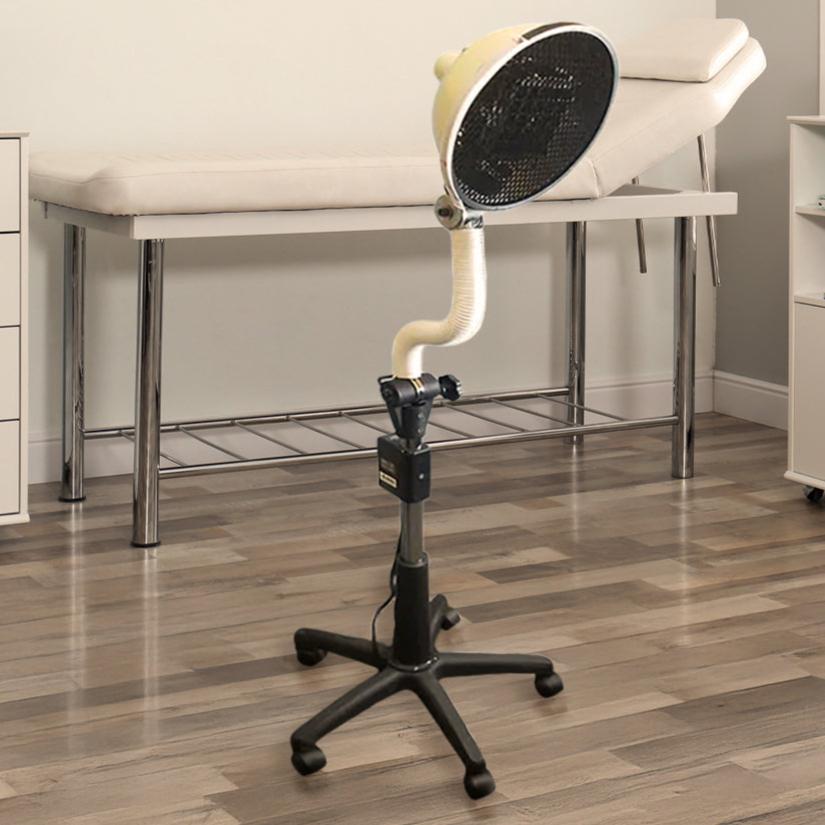
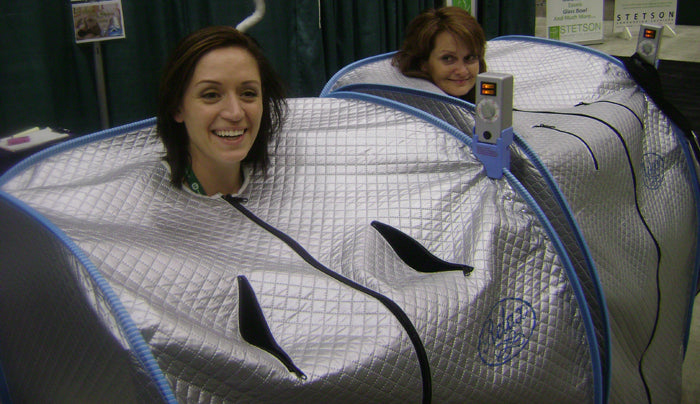
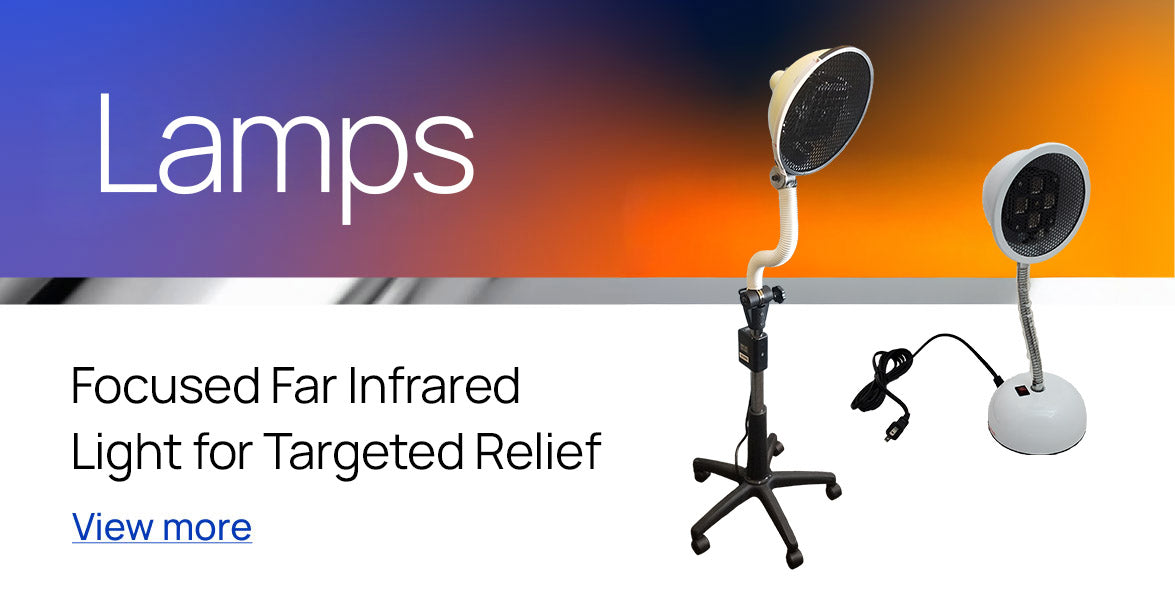
- Radiant FIR devices, lamps, mats, and saunas deliver heat to skin and should not be directed at insensate areas; shorter sessions and lower settings do not remove the risk to insensate skin. Sauna or other heat use warrants individualized clinician review, with skin inspection afterward for persistent erythema, blisters, or marks, and stopping for any sign of injury.
- Peripheral artery disease frequently coexists with diabetic neuropathy; ankle-brachial index screening was an exclusion step in the registered FIR sock trial and severe PAD (ABI below 0.5) was an exclusion in the textile sock trial. Heat can injure poorly perfused tissue (see the companion PAD review).
- No heat on open wounds, ulcers, or infected skin; refer to podiatry or wound care.
- Autonomic neuropathy can impair sweating and cause orthostatic hypotension; prolonged heat sessions and sauna use warrant clinician review. Patients using insulin or glucose-lowering agents should discuss the effect of heat on glycemia with their clinician (we did not verify specific data).
- No claim in this document should be represented to patients as evidence that FIR treats, repairs, or reverses peripheral neuropathy.
Evidence Grading Summary
On smaller screens, scroll horizontally to view all four columns.
| Domain | Model / Design | Finding | Tier |
|---|---|---|---|
| FIR sauna / devices, nerve outcomes | N/A | No verified trial identified | Absent |
| FIR socks vs placebo, DPN (NCT06880484) | Registered randomized trial | Results not located | Pending |
| FIR heating pad, diabetic foot | Pilot, n=10 diabetic + 4 | Foot temperature and blood flow up; no neuropathy outcomes | Preliminary, Microcirculation Only |
| Celliant socks, chronic foot pain (26 DPN) | Double-blind pilot RCT, n=55; manufacturer-funded | DPN subgroup not significant; both groups improved | Preliminary, Mixed |
| MIRE near-infrared pads, DPN | Small RCTs, meta-analysis | Mixed; 4 of 5 sham-controlled trials no better than sham (policy review) | Mixed, Different Band |
| Standard care: cause, glycemic control, SNRI/TCA/gabapentinoid/Na-channel agents | ADA and AAN guidelines | Recommended; opioids not recommended | Established (Not FIR) |
| Heat and loss of protective sensation | Foot-care guidance; burn review | Burns from heating devices and hot water; unawareness common | Established Safety Concern |
Clinical Positioning
FIR sauna, FIR devices, and FIR textiles should not be presented as treatments for peripheral neuropathy. For patients who ask, the useful message is to identify and treat the cause, use guideline-supported pharmacologic options for pain, protect insensate skin from heat, and view any FIR use as a comfort choice limited to areas with intact sensation and cleared by the clinician. Practitioners should be prepared to redirect author-less study citations and to distinguish near-infrared MIRE evidence from FIR.
References
American Diabetes Association Professional Practice Committee. 12. Retinopathy, Neuropathy, and Foot Care: Standards of Care in Diabetes—2026. Diabetes Care 2026;49(Suppl 1).
American Academy of Neurology. Oral and topical treatment of painful diabetic polyneuropathy: practice guideline update. Neurology, online Dec 27, 2021 (print Jan 4, 2022).
Loprinzi CL, Lacchetti C, Bleeker J, et al. Prevention and Management of Chemotherapy-Induced Peripheral Neuropathy in Survivors of Adult Cancers: ASCO Guideline Update. J Clin Oncol 2020. doi:10.1200/JCO.20.01399.
Update on Treating Painful Diabetic Peripheral Neuropathy: A Review of Current US Guidelines with a Focus on the Most Recently Approved Management Options. J Pain Res. doi:10.2147/JPR.S442595.
York RMB, Gordon IL. Effect of optically modified polyethylene terephthalate fiber socks on chronic foot pain. BMC Complement Altern Med 2009;9:10. doi:10.1186/1472-6882-9-10. NCT00458497.
Effect of Far-Infrared Emitting Socks on Neuropathic Pain, Nerve Conduction, and Quality of Life in Patients With Diabetic Peripheral Neuropathy: A Randomized Controlled Trial. ClinicalTrials.gov NCT06880484.
Evaluating the Far-Infrared Radiation Bioeffects on Micro Vascular Dysfunction, Nervous System, and Plantar Pressure in Diabetes Mellitus. PMID 31625431.
Skin Contact Monochromatic Infrared Energy as a Technique To Treat Cutaneous Ulcers, Diabetic Neuropathy and Miscellaneous Musculoskeletal Conditions. Medical policy CAM 10122.
Robinson CC, Klahr PS, Stein C, Sbruzzi G, Plentz RDM. Effects of monochromatic infrared energy in patients with diabetic peripheral neuropathy: a meta-analysis of randomized clinical trials. Diabetol Metab Syndr 2015;7(Suppl 1):A16. doi:10.1186/1758-5996-7-S1-A16.
Ammar T, et al. Monochromatic Infrared Photo Energy in Diabetic Peripheral Neuropathy. ISRN 2012. doi:10.5402/2012/484307.
Effects of Monochromatic Infrared Light on Painful Diabetic Polyneuropathy: Randomized Controlled Trial. PMID 39322522.
National Hansen's Disease Programs. Foot Care for a Lifetime. Oklahoma State Department of Health. Injury Prevention Facts & Tips: Burn Prevention and Diabetic Neuropathy (2012).
Patient awareness of loss of protective sensation in the diabetic foot: an opportunity for risk reduction? J Foot Ankle Res 2011;4(Suppl 1):P37. doi:10.1186/1757-1146-4-S1-P37.