Low Back Pain
Low Back Pain: Back in Motion
How far-infrared warmth eases stiffness, supports movement, and fits into guideline-recommended recovery.
1. Where Warmth Fits, Stage by Stage
Low back pain is the world's leading cause of disability, and most of the time it has no single structural cause. The research is clear that staying active is the path forward. Back pain changes as it goes on, and so does the role of heat:
Acute Back Pain
A new episode, often from a strain, lifting, or awkward movement. Most improve within weeks.
Subacute Back Pain
Pain is lingering. This is the window to rebuild movement and confidence before habits set in.
Chronic Back Pain
Pain persists. Sleep, stress, and a sensitized nervous system often play a role alongside the back itself.
2. The Lead Study: Infrared for Long-Term Back Pain
Researchers enrolled 40 people who had lived with low back pain for over six years. Half used an infrared therapy pad and half used an identical-looking placebo device in a double-blinded trial.
Average score dropped from 6.9 down to 3.0 out of 10.
Placebo pad dropped score modestly from 7.4 to 6.0.
Safe, well-tolerated non-invasive daily application.
Additional research: A 2022 trial found a far-infrared mineral plaster reduced chronic back pain and improved bending flexibility compared with placebo in two weeks (Ricci et al.). Office workers sitting on a far-infrared chair pad for four weeks also reported 9 out of 10 quality-of-life improvements (Ervolino & Gazze 2016).

3. Three Ways to Bring Warmth to Your Back
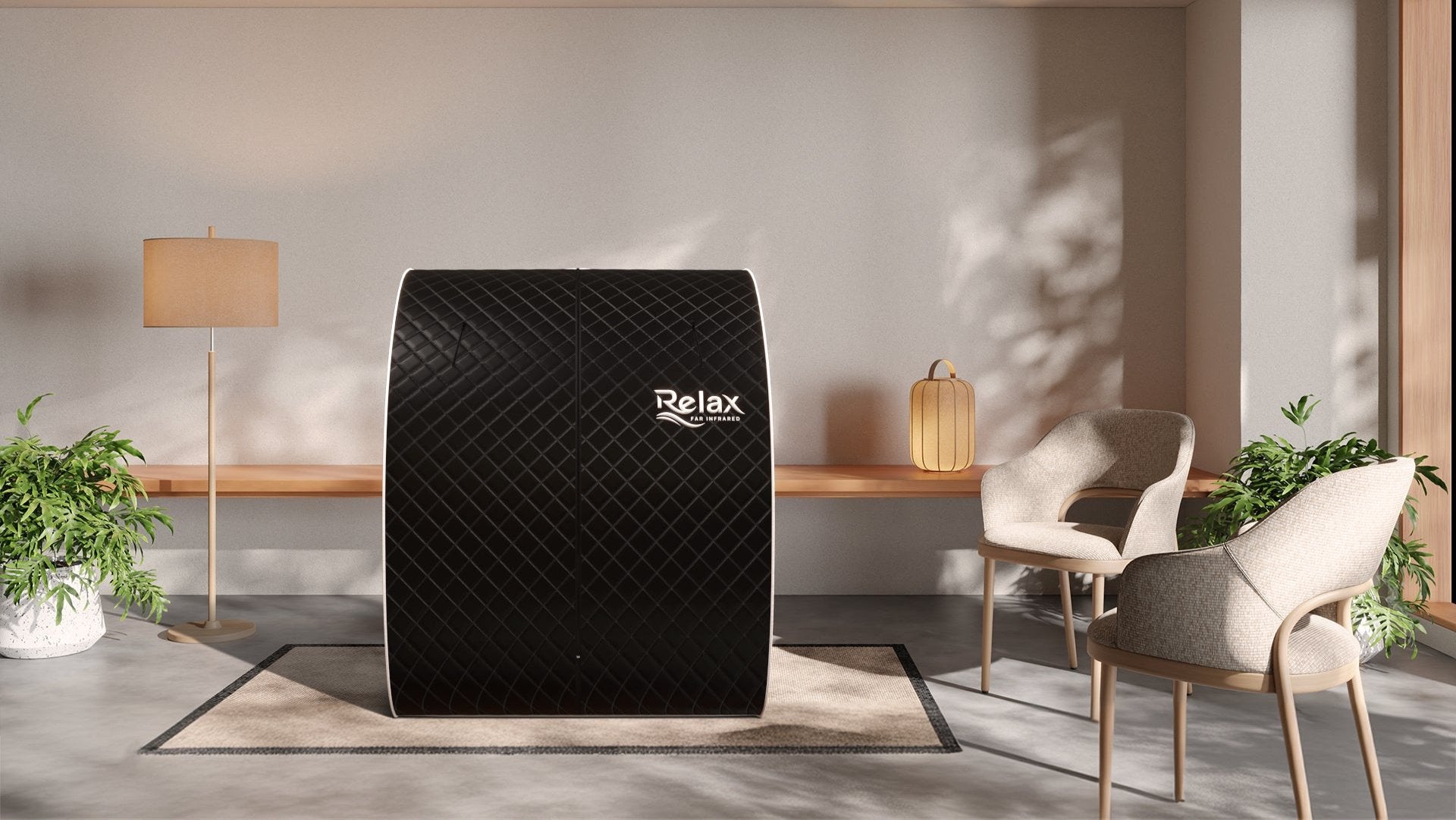
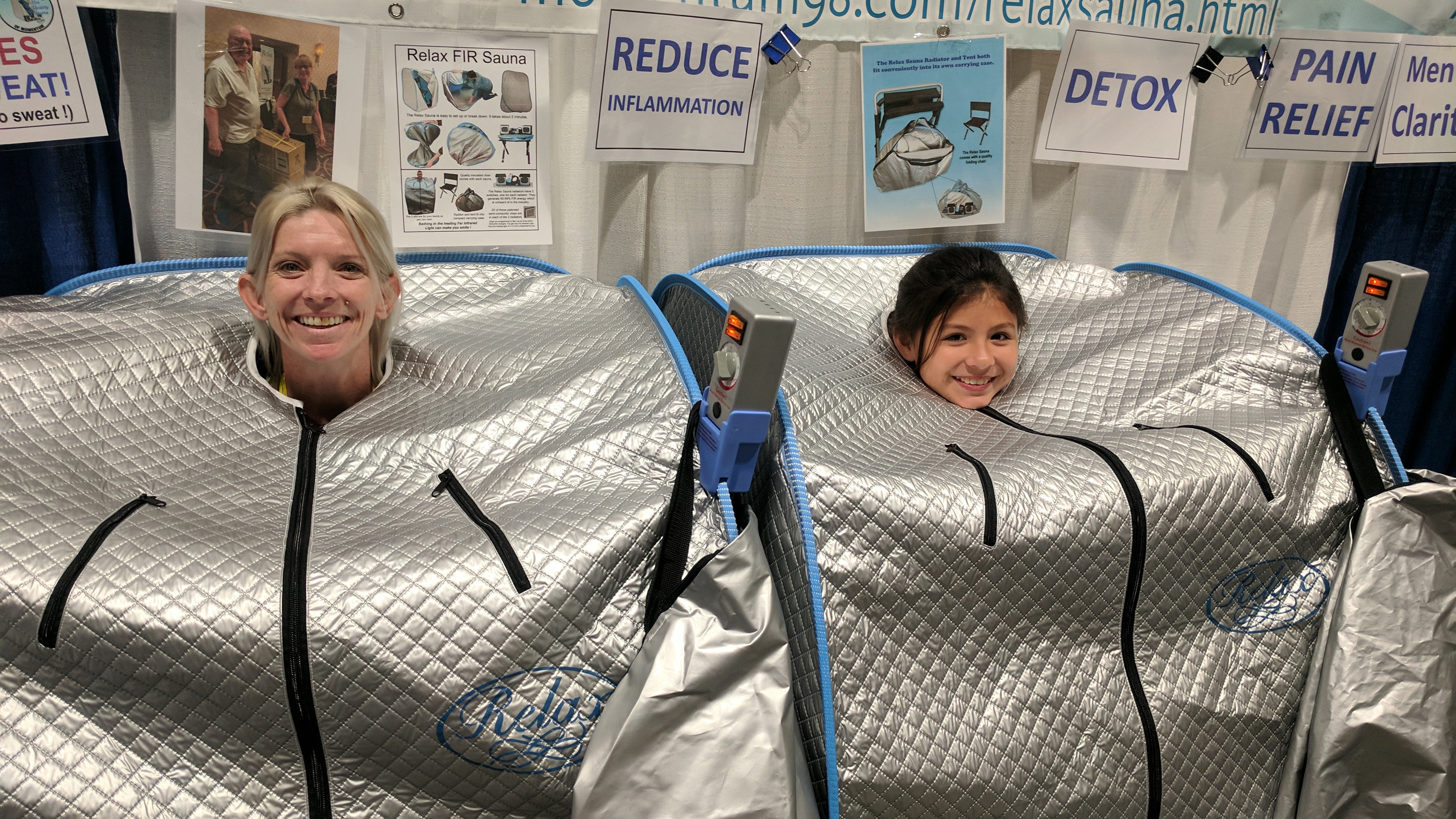
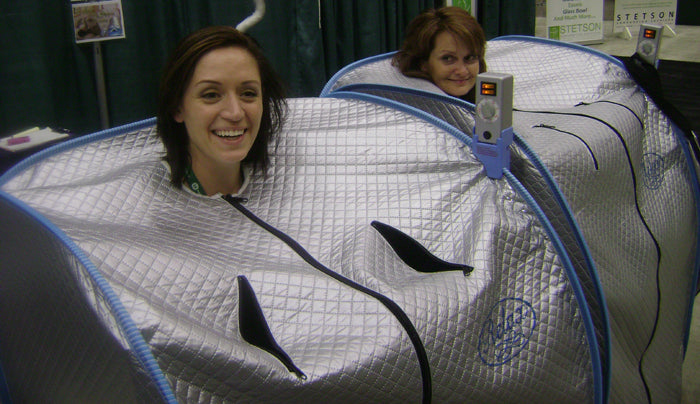
Relax Sauna
Warms the entire back, hips, and legs at once, loosening the whole muscular chain before movement.
Evidence: Added to pain care, far-infrared sauna improved 2-year return to work in chronic pain trials (Masuda 2005).
Raylieve Pad
Apply to lower back for hours of interactive far-infrared from your own body heat at work or on the go.
Evidence: Similar mineral-matrix plasters significantly reduced back pain in clinical trials (Ricci 2022).
HexTex Core Pad
An under-sheet panel right where your back rests, turning body heat into far infrared all night with no electricity.
Evidence: Passive far-infrared seating/bedding pads improved back pain in clinical trials (Ervolino 2016).
4. What Warmth Does for a Sore Back
Releases Clamping
Back muscles clamp down to protect sore areas. Warmth helps them let go, easing pain and stiffness (heat wraps reduced stiffness more than pills).
Restores Range
Warm tissues stretch easily. In trials, patients bent and twisted significantly further after far-infrared heat therapy.
Nitric Oxide Release
Far infrared triggers eNOS nitric oxide pathways, relaxing blood vessels to increase blood flow to tired, ischemic back muscles.
Calms the System
Long-lasting pain gets louder with poor sleep and stress. Evening warmth helps you fall asleep and shifts autonomic tone toward rest.
5. How Strong Is the Evidence? & What We Do Not Claim
Heat relieves acute/subacute back pain and is guideline-recommended by ACP.
Small far-infrared trials reduced chronic back pain versus placebo device.
Studies were short (2 to 4 weeks) with limited long-term follow-up.
No trial has tested a far-infrared sauna specifically for low back pain alone.
What We Do Not Claim
- Far infrared does not repair discs, reverse spinal degeneration, or fix structural issues.
- It does not replace exercise, physical therapy, or medical care. Staying active remains the foundation.
- It has not been shown to prevent future episodes of back pain.
- Results from far-infrared pads and plasters may differ from a full sauna session.
- Back pain with warning signs needs a medical evaluation first. See red flags below.
6. Practical Guide: Warm Up, Then Move
Daily Action Steps
- Warm up, then move: A 15–25 min session before a walk, stretching, or routine loosens muscles so movement feels better.
- Keep moving every day: Gentle activity speeds recovery. Use warmth to make movement easier, never to rest in bed.
- Be consistent: Aim for 3–5 sessions per week. For a new flare-up, daily warmth for 1–2 weeks is reasonable.
- Evening timing: A session 1–2 hours before bed works with natural body cooling for sleep.
Layered Support & Tracking
- Add targeted warmth: Use Raylieve on your lower back by day and HexTex Core at night for hours of far-infrared between sessions.
- Track for 4 weeks: Note pain, morning stiffness, bending range, and how often you need pain relievers.
The Relax Sauna
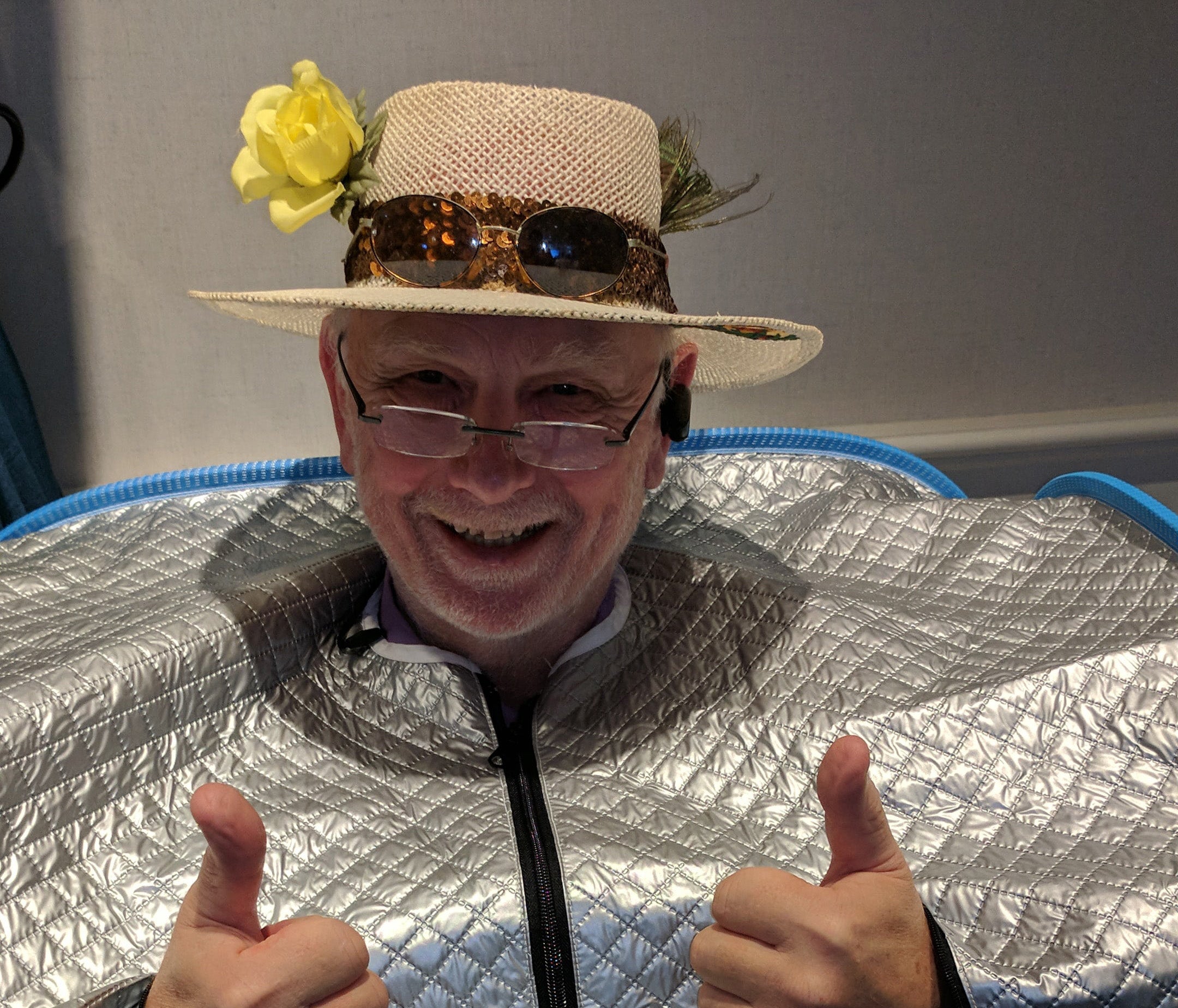
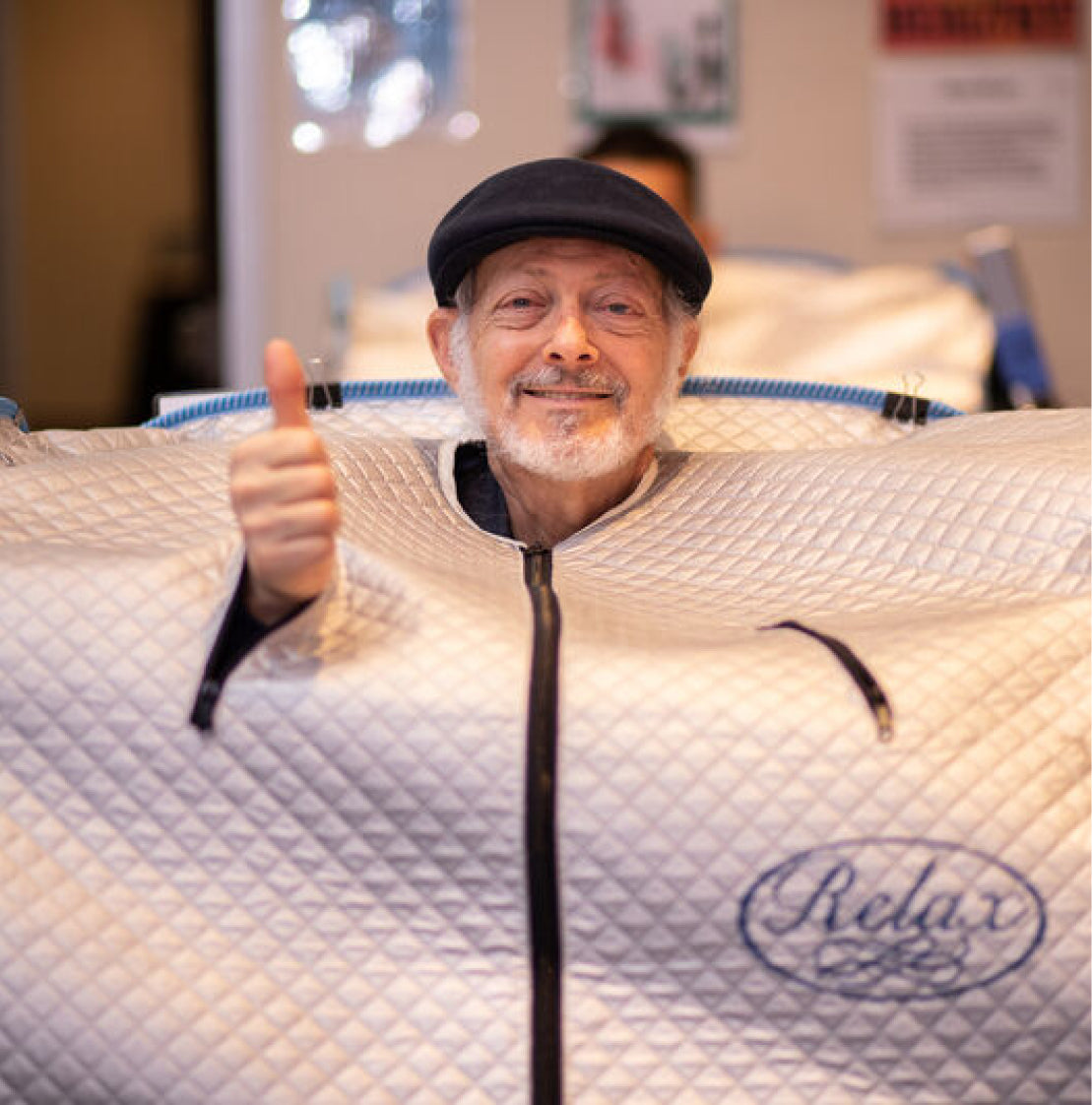
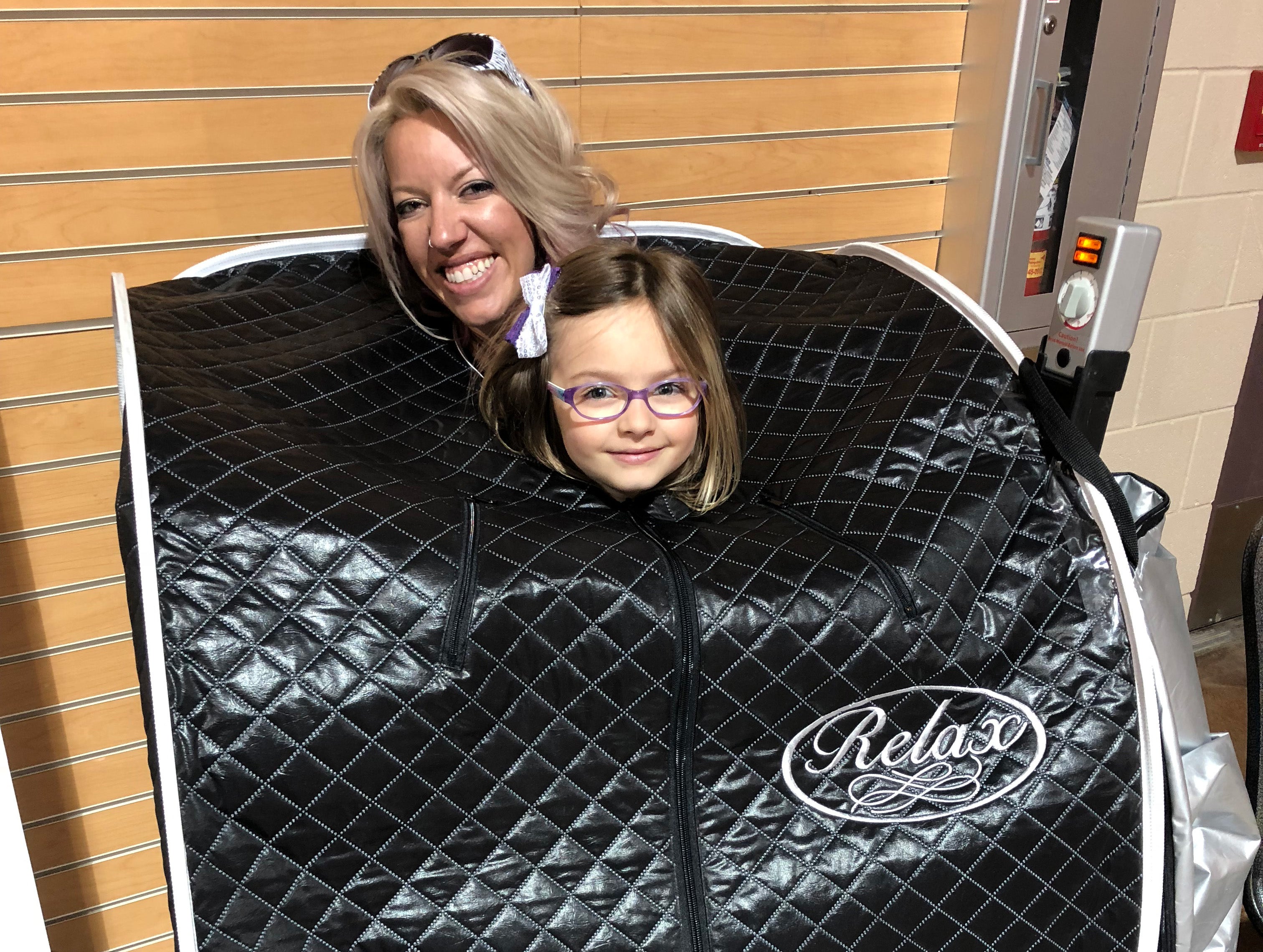
Delivers pure 9.4 µm far infrared with your head outside the cabin, so you can warm your whole back at home before movement that helps it heal.
7. See a Clinician First If Back Pain Comes With...
- Numbness in groin or inner thighs, or bladder/bowel changes: Emergency sign (Cauda Equina Syndrome) — seek immediate medical care.
- Worsening leg weakness or pain after trauma: Such as a fall, accident, or high-impact force.
- Fever, unexplained weight loss, or cancer history: Requires prompt medical workup before thermal therapy.
- Night pain or pain at rest: Unrelieved by position changes or waking you from sleep.
- Cardiovascular issues, recent spine surgery, or skin numbness: Consult your physician prior to heat application.



Explore the Relax Far Infrared Line Up


Feel the Momentum