Wound Healing Consumer
Wound Healing
Closing the gap: Research, tissue repair stages, and how far infrared fits into recovery.
Read This First
Your skin is remarkably good at repairing itself, until circulation, blood sugar, or inflammation get in the way. Researchers have been studying whether far infrared can help that repair along. The early science is genuinely exciting, and it comes with some important safety rules.
- Far infrared is not a treatment for wounds. The strongest results so far come from animal studies.
- Any wound that isn't healing, and any wound on someone with diabetes or poor circulation, needs care from a medical professional.
- Never apply heat to feet or skin that's numb.
2. How Skin Heals
Every wound moves through four overlapping stages. Slow-healing wounds usually get stuck in the inflammation stage.
Stop the Bleeding
A clot forms and releases the body's repair signals.
Clean Up
Immune cells clear debris, then switch to repair mode.
Far infrared: helped that switch in diabetic rats [2].
Rebuild
New blood vessels and collagen fill the wound.
Far infrared: boosted vessel and collagen signals [1, 4].
Strengthen
Collagen matures and the scar gains strength.
Far infrared: supports circulation around healed skin [3].
3. The Lead Study: Graphene Far-Infrared vs. Heat Alone
Diabetic wounds are notoriously slow to heal. Researchers treated them with either a graphene far-infrared film or a metal heating film, both held at exactly the same temperature. That design isolates what far infrared adds beyond warmth.
Measured at two weeks in diabetic rats [2].
Matched thermal control group [2].
Baseline untreated diabetic controls [2].
Far infrared also cut inflammation roughly in half, shifted immune cells toward repair, and switched on the body's NRF2 antioxidant defenses [2]. This was an animal study using a heated, electrically powered film, so it isn't proof for people or for passive products.
The pattern holds across studies. Earlier research found far infrared sped wound healing and doubled collagen in rats without raising skin temperature [1], and a 2021 study found longer far-infrared sessions healed diabetic wounds faster [4]. In people, the only ulcer trial used a broad infrared lamp, so the evidence in humans is still early [5].

4. Safety Triage: When Is Warmth OK?
Thermal therapy requires strict clinical criteria. Numb skin can burn without you feeling it, and in limbs with poor circulation, heat increases the tissue's need for blood the body can't supply.
Generally Fine (Healed Skin)
- Fully closed wounds and scars
- Normal feeling in the skin
- Good circulation
- Sauna once all wounds have closed
Ask Your Care Team
- Open wound under care
- Only passive, non-heating products
- On healthy skin near the wound, not on it
- Never on open or infected wounds / no sauna until closed
Don't Use Heat (High-Risk Skin)
- Numb feet or skin (neuropathy)
- Poor circulation in the legs or feet
- Signs of infection
- A wound that's getting worse
5. Three Ways Far Infrared Fits Around Healing
Relax Sauna
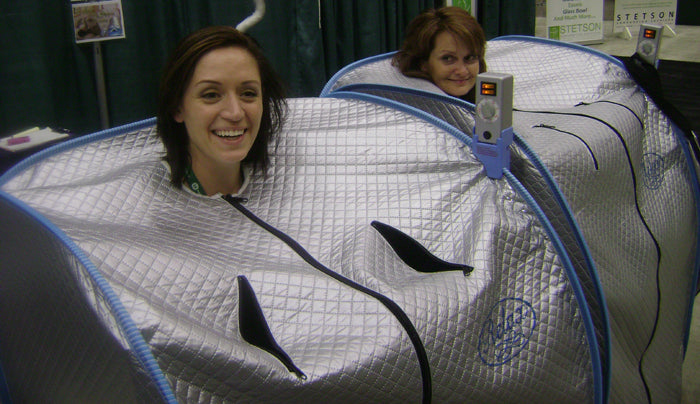
Whole-body warmth for circulation and blood vessel health once every wound has fully closed.
Evidence: controlled human research on blood vessel function [6].Raylieve
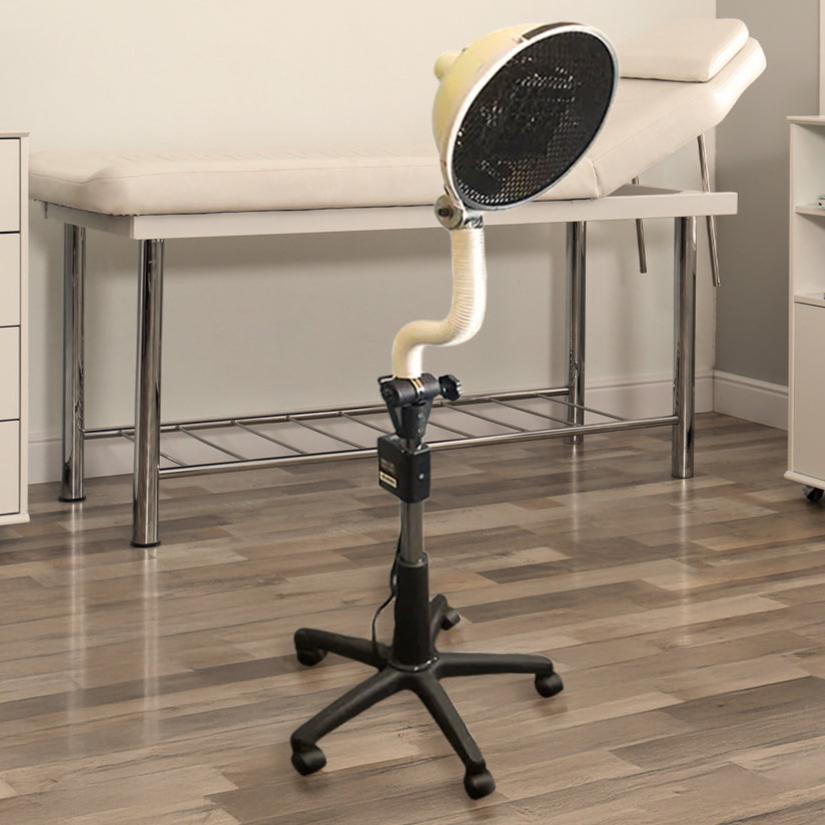
Apply around and over fully healed scars. Never on open wounds, broken skin, or numb areas.
Evidence: based on far-infrared circulation research; not tested on wounds.HexTex
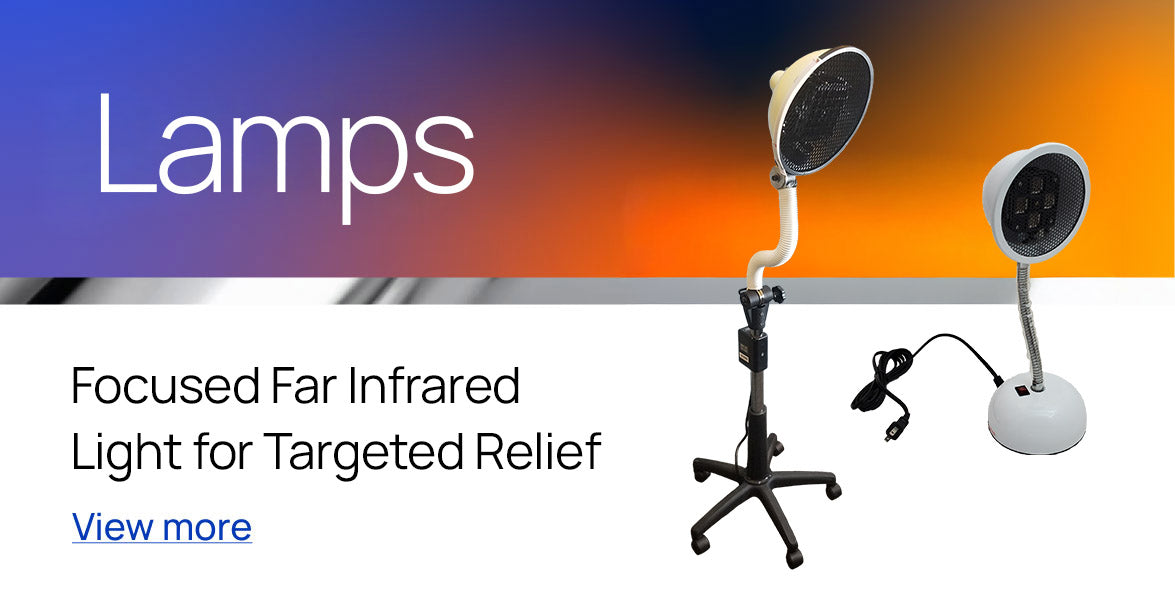
Woven graphene-carbon fabric that returns body heat as far infrared, with no electricity and no added heat.
Evidence: graphene far infrared helped diabetic wounds in rats [2]; HexTex not yet tested.The Relax Sauna
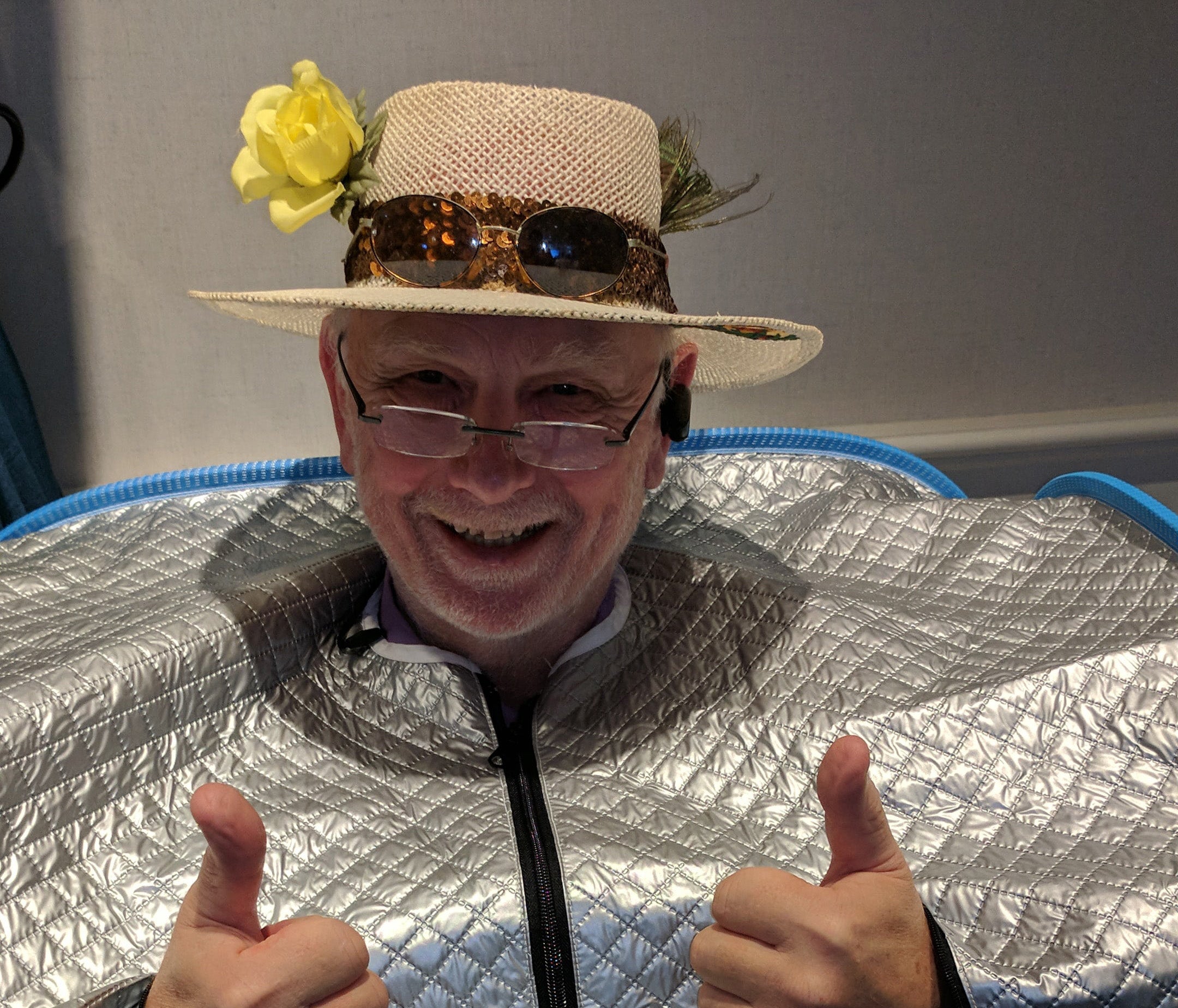
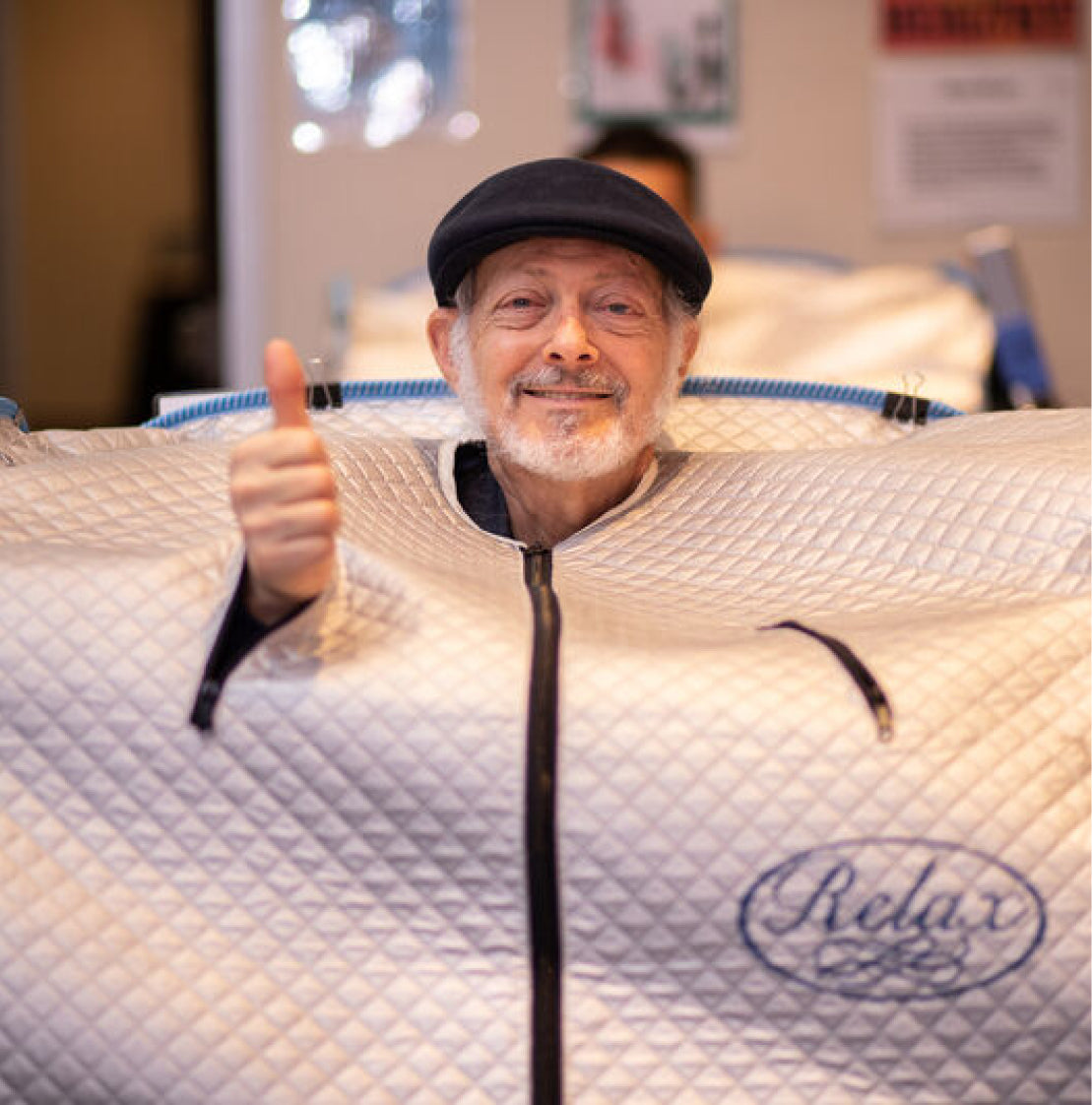
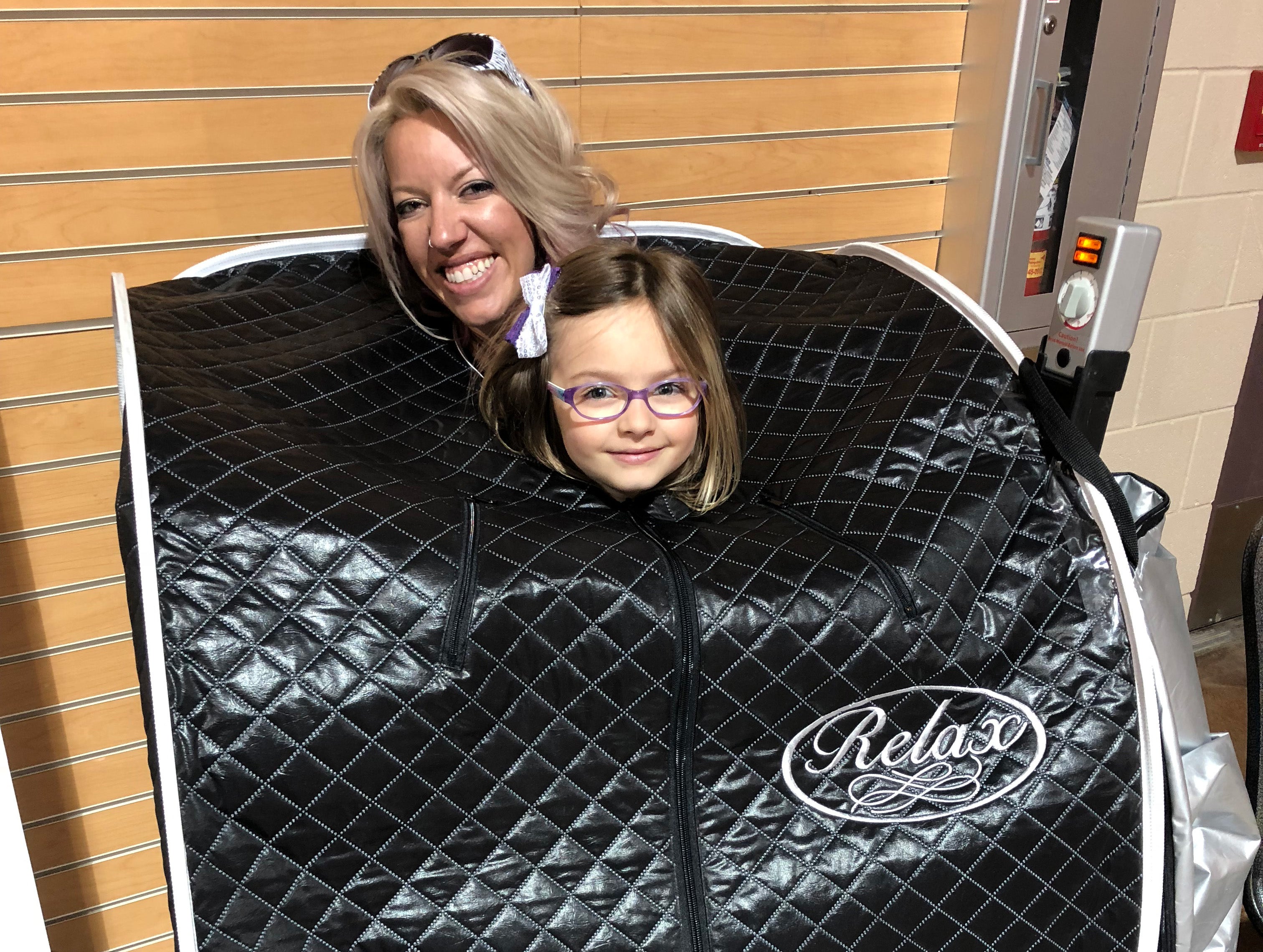
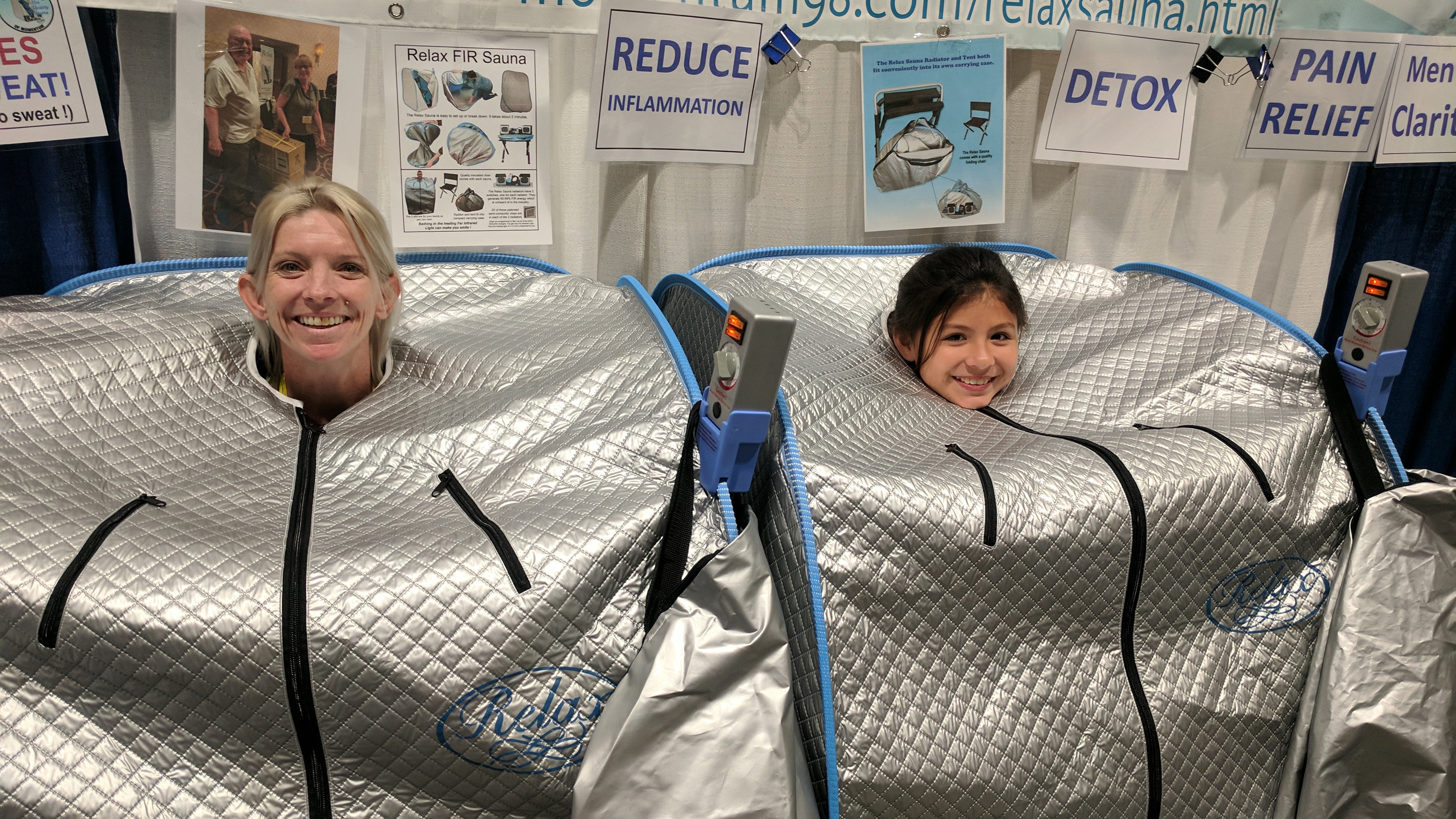
Delivers 9.4 µm far infrared with your head outside the cabin, supporting blood vessel health at home once your skin has healed.
6. What Far Infrared May Do for Healing
New Blood Vessels
Far infrared increased skin circulation and the signals that build new blood vessels, including nitric oxide and VEGF [3, 4, 7].
Calming Inflammation
It shifted immune cells from attack mode into repair mode and lowered inflammatory signals in diabetic wounds [2, 4].
Antioxidant Defense
Far infrared switches on NRF2, the body's master antioxidant program, in wounds and in human blood vessels [2, 6].
Collagen Production
Healing wounds treated with far infrared built roughly twice as much collagen, the protein that gives skin its strength [1].
7. How Strong Is the Evidence? & What We Do Not Claim
Three separate animal studies found far infrared sped wound healing [1, 2, 4].
Far infrared increases skin circulation and protective signaling in people [3, 6, 7].
One ulcer trial was positive but used a broad infrared lamp [5].
No rigorous human trial of far infrared for chronic wounds.
What We Do Not Claim
- Far infrared is not a wound treatment. Faster healing has been shown in animals, not yet in people.
- It does not replace professional wound care, infection treatment, pressure relief, or blood sugar control.
- Never apply heat to numb skin or to legs and feet with poor circulation.
- It does not treat infection. Signs of infection need medical care right away.
- Animal results with heated graphene film may not match passive products or human wounds.
Open Question: What Would Settle It?
A trial in people with diabetic foot ulcers and good circulation, all receiving standard wound care, comparing a non-heating far-infrared device with a sham, measuring how many wounds fully heal in 12 weeks, along with infection, amputation, and recurrence. That's the kind of question our research initiative is designed to pursue.
8. How to Use It Safely
Practical Guidelines
- Get professional care first: Any wound that hasn't improved in two weeks, or any wound if you have diabetes or poor circulation, needs a clinician or wound care specialist.
- Check your skin's feeling: If your feet or skin are numb or tingly, skip heat in those areas entirely.
- Keep open wounds out of the sauna: Wait until wounds have fully closed. Sweat and moisture can soften healing skin and raise infection risk.
- Use passive products on healed skin: Raylieve and HexTex fit best around and over fully healed scars, with your care team's OK for anything near an open wound.
- Support healing from the inside: Blood sugar control, nutrition, not smoking, and staying active do more for healing than any device.
Contact a Clinician Right Away If You Have:
- Spreading redness, warmth, swelling, pus, or a bad smell from a wound
- Fever or chills with a wound
- A wound on the foot if you have diabetes, even a small one
- A wound that's getting bigger, darker, or more painful
- Cold, pale, or bluish toes or feet



Explore the Relax Far Infrared Line Up


Feel the Momentum