Far Infrared, Passive Heating, and Autism Spectrum Disorder
An Absent Direct Evidence Base, the Fever-Effect Distinction, Unverifiable Claims, and Pediatric Heat Safety
Overview
We did not identify a controlled trial of far infrared (FIR) sauna, FIR-emitting devices, or whole-body hyperthermia in autism spectrum disorder (ASD), and FIR has no established role in ASD.
ASD is a lifelong neurodevelopmental condition for which no cure exists; the CDC's ADDM Network identified about 1 in 31 (3.2%) US 8-year-olds in 2022, with prevalence about 3.4 times higher in boys than girls (CDC MMWR Surveill Summ 2025; NIMH).
The adjacent literatures that sometimes feed marketing claims are: transcranial near-infrared photobiomodulation (a different band and method), the “fever effect” (immune signaling rather than heat), and exploratory mitochondrial findings.
This review separates them, corrects an unverifiable citation, addresses detox and chelation harms, and gives pediatric and ASD-specific heat-safety considerations. Absence of identified studies reflects the searches conducted here, not a systematic review.
FIR has no established role in treating autism. A comfort activity must not displace individualized developmental, educational, or medical support.

Treatment Context
The mainstays of care are early behavioral, developmental, educational, speech, and occupational interventions. Risperidone (approved 2006; ages 5–16/17) and aripiprazole (2009; ages 6–17) are the only FDA-approved medications for ASD-associated irritability; no drug is approved for core features (FDA patient-focused report on autism; narrative reviews).
Sleep disturbance is common, with estimates reported as high as 40–80% of autistic children. Melatonin has the strongest medication evidence for sleep, including a meta-analysis of five double-blind RCTs showing a large effect on sleep duration and sleep-onset latency, and combined behavioral approaches are favored (Pharmacological treatments in ASD, narrative review).
Any heat-based adjunct is positioned against these established supports and must not displace them. See the companion Insomnia review for heat and sleep.
Direct Evidence for FIR
None identified. We did not find a trial of FIR sauna, FIR textiles, or FIR devices enrolling autistic participants, nor a study of heat tolerance or thermoregulation specific to ASD.
Adjacent: Transcranial Near-Infrared Photobiomodulation
Near-infrared light delivered to the scalp by LED or laser (transcranial photobiomodulation) has been explored for safety and symptoms in autistic adults and in children and adolescents, and several trials are registered, including a home-use LED study (NCT06203938), a study of epileptiform activity in autism (NCT06352372), a Massachusetts General Hospital evaluation in ASD (NCT05363982), and a trial in children and adolescents with ADHD and autistic traits (NCT04569058).
These use a different spectral band, delivery route, and proposed mechanism from FIR sauna and are early-phase; we did not assess their results, and they provide no support for FIR.
Terminology note: “near-infrared” also appears in ASD research as a measurement technology (functional near-infrared spectroscopy, fNIRS, used for brain imaging) and “infrared spectroscopy” as a laboratory diagnostic tool; those are not therapies.
The Fever Effect Is Not a Heat Effect
A subset of autistic children appear to show behavioral improvement during fever. In a prospective study of 30 children aged 2–18 years with ASD during and after fever compared with 30 matched afebrile children, behavior change during fever was documented (Curran et al., Pediatrics 2007;120(6):e1386-e1392).
Other reports describe improvement in roughly 17% of families, and a recent study in Chinese children reported parent-observed improvement in 16.56%, of which 76.92% was temporary and 23.08% sustained post-fever, with children showing sustained improvement having more severe social deficits.
In mouse models, peripheral IL-17a produced during inflammation promoted sociability, acting on neurons in the dysgranular zone of primary somatosensory cortex, and the effect depended on the model (maternal-immune-activation and some monogenic models) (Reed et al., Nature 2020;577:249-253).
The proposed mechanism is immune signaling, not temperature. Externally induced hyperthermia (sauna) raises body temperature without the immune-driven fever program, and we found no evidence that passive heating reproduces the fever effect.
Fever itself carries risk and is not a therapeutic target.
Mitochondrial Findings and FIR Marketing
An exploratory study of lymphocytes from 10 children with autism and 10 controls reported more frequent mitochondrial dysfunction, mtDNA overreplication, and mtDNA deletions in autism; the authors state that cause and effect cannot be inferred from a cross-sectional design (Giulivi et al., JAMA 2010;304(21):2389-2396).
This finding is sometimes used to argue that FIR could support mitochondria in autism. No FIR study has tested this, and the mitochondrial finding does not itself support a FIR intervention.
Correcting Circulating Claims — Practitioner Advisory
What Patients and Families May Bring
- A citation attributed to JAMA, “How Infrared Therapy Helps Children With Autism” (Oct 16, 2015), appears in patent filings alongside a link to a sauna seller's blog. We could not find a JAMA article with that title. The JAMA paper typically cited nearby is Giulivi 2010 (mitochondrial dysfunction, n=10 vs 10), which does not involve infrared.
- Lists of behavioral benefits attributed to FIR for autistic people (reduced anxiety, fewer meltdowns, improved focus and communication, among others) in patent and vendor materials are not supported by any controlled trial we identified.
- “Detox” framings that link sweating out heavy metals to improving autism. Sweat-metal studies in adults (see the Detoxification and PFAS reviews) show compounds appear in sweat, not that removing them affects autism.
Detoxification and Chelation Harms
FDA consumer guidance states that there is no cure for autism and that products or treatments claiming to cure it are deceptive and misleading; it listed chelation therapies (including sprays, suppositories, capsules, drops, and clay baths), hyperbaric oxygen outside cleared uses, and detoxifying clay baths among products with significant health risks.
News reports indicate the FDA subsequently removed that consumer-update page from its website in late 2025; an archived copy is available. FDA guidance on unapproved chelation products remains: it advises that such products can cause dehydration, kidney failure, and death and may lead patients to delay proven care, and at least one death of a child with autism has been reported in connection with chelation products (FDA consumer update (archived); FDA unapproved chelation Q&A; AP/NBC 2010).
Practitioners should not present sweating or sauna use as a detoxification treatment for autism.

Pediatric and ASD-Specific Heat Considerations
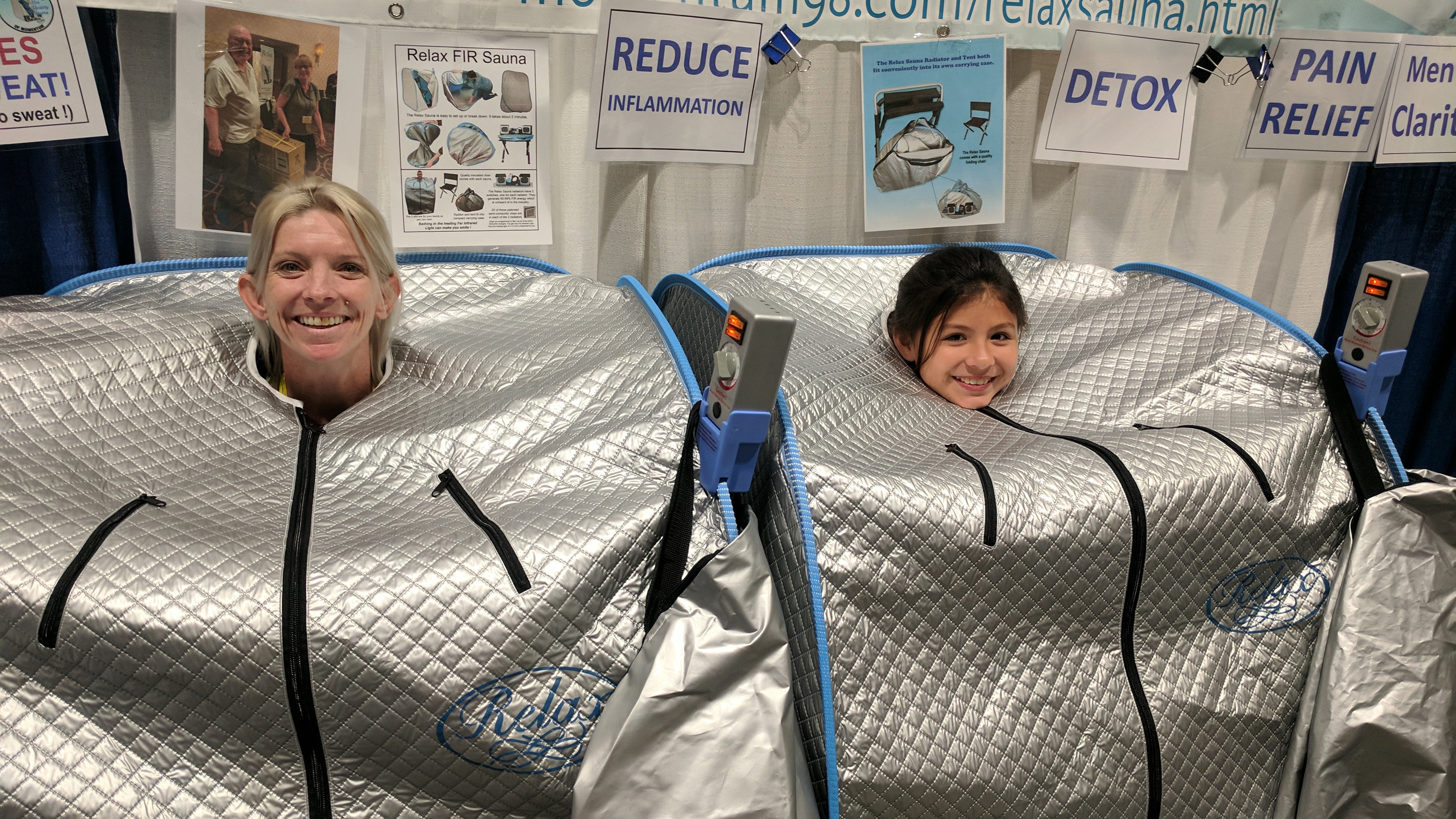
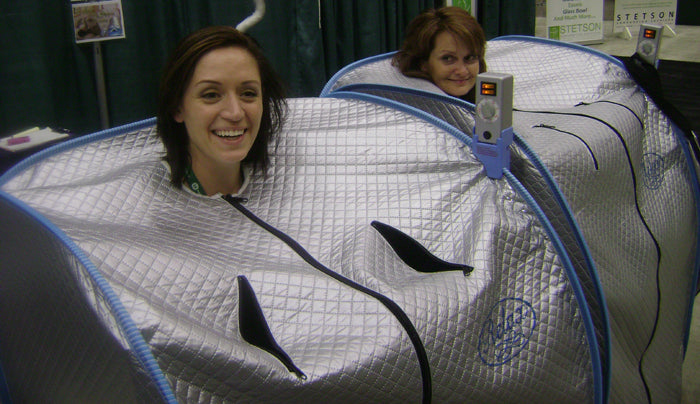
We found no pediatric safety guidelines for FIR sauna from medical organizations; available online guidance comes chiefly from sauna sellers and conflicts on age limits and durations.
A 2019 review concluded that the notion of children as having inferior thermoregulation has been revisited and challenged, particularly in mild and moderate conditions (Nutrients 2019;11(9):2010), and a narrative review of infants considers the label of deficiency a misconception outside preterm infants, while noting that small body size and a large surface-area-to-mass ratio, hydration needs, and dependence on caregivers remain relevant (PMC12386404).
For autistic patients, differences in communication and sensory processing can mean that overheating is not signaled in expected ways; we did not identify studies quantifying this for heat. Caregiver observation of objective signs, rather than reliance on self-report, is therefore advisable.
Epilepsy is more common among autistic people than in the general population (we did not independently verify prevalence figures), which warrants neurological input before heat exposure; a wIRA hyperthermia trial protocol lists epilepsy among its contraindications (NCT06204458), a trial-design signal rather than an ASD finding.
Safety Considerations
Clinical Cautions
- No FIR or sauna use should displace behavioral, developmental, educational, or medical care, and no detox or chelation approach should be offered; chelation products carry documented serious harms.
- Children: obtain pediatric guidance before use; no medical-organization guideline for FIR sauna in children was identified. Keep exposure short, cool, supervised, and hydrated; defer entirely during fever or illness.
- Supervision and signs: never leave the person alone; monitor for flushing, heavy sweating, unusual quiet or sleepiness, irritability, nausea, or dizziness; do not rely on verbal report.
- Sensory and consent: enclosed spaces, heat, sound, odor, and materials may be aversive; the person's choice and distress cues should govern, and use should never be coerced or used as reward or punishment.
- Seizure history or epilepsy: neurology review first.
- Medications that affect sweating, blood pressure, or thermoregulation (including psychotropics) warrant prescriber review.
- Co-occurring sleep problems, anxiety, and mood symptoms should be assessed and treated with evidence-based care; see companion Insomnia and Anxiety reviews. In the US, call or text 988 in a mental-health crisis.
- No claim in this document should be represented to patients or families as evidence that FIR treats autism or improves core features, communication, or behavior.
Evidence Grading Summary
| Domain | Model / Design | Finding | Tier |
|---|---|---|---|
| FIR sauna / devices / textiles in ASD | N/A | No trial identified | Absent |
| Heat tolerance or thermoregulation in ASD | N/A | No study identified | Absent |
| Transcranial near-infrared PBM in ASD | Early-phase and registered studies | Results not assessed here; different band and method | Adjacent, Not FIR |
| Fever effect in ASD | Prospective study n=30 vs 30; parent-report series; mouse IL-17a work | Behavior change during fever in a subset; mechanism is immune signaling | Context, Not a Heat Effect |
| Mitochondrial dysfunction in ASD | Exploratory, n=10 vs 10 | Cause and effect cannot be inferred; no FIR link | Context, Exploratory |
| Behavioral and developmental supports; melatonin for sleep (context) | Guideline-level and meta-analytic evidence | Mainstay of care; large melatonin effect on sleep latency and duration | Established (Not FIR) |
| Detox / chelation for ASD | N/A | No benefit shown; documented serious harms | Not Supported; Harmful |
Clinical Positioning
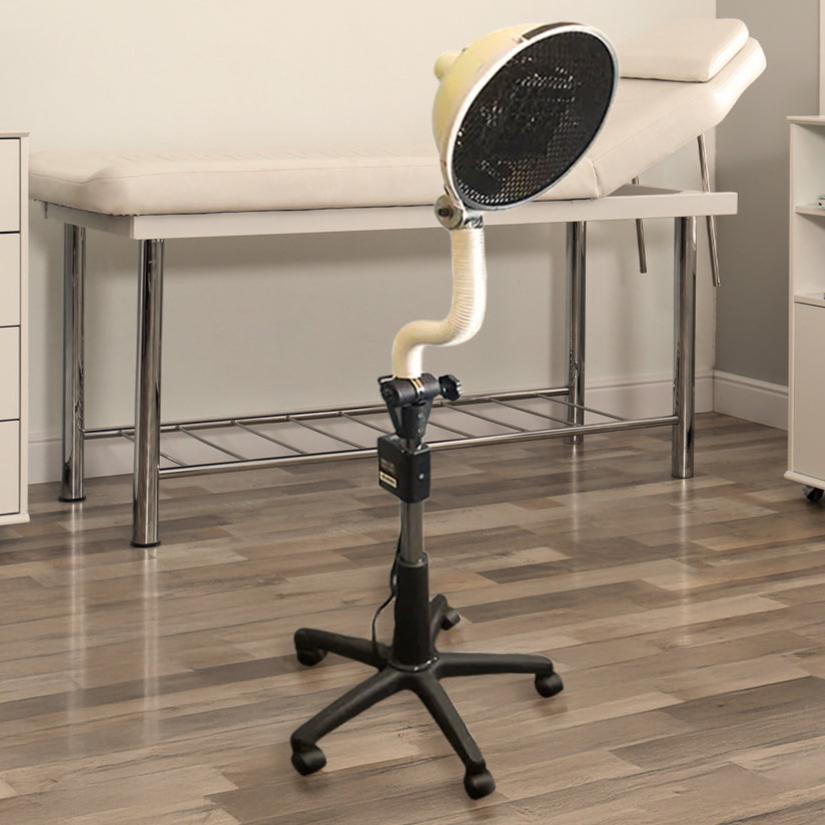
FIR sauna and FIR devices should not be presented as a treatment for autism or its core features.
For families who ask, the useful message is that supports with evidence exist, that the fever-effect literature concerns immune signaling and does not justify heating, that no controlled FIR data exist, that detox and chelation approaches are harmful, and that any use of gentle warmth should be framed as a person-chosen, supervised comfort activity with the pediatric and ASD-specific precautions above.
References
Prevalence and Early Identification of Autism Spectrum Disorder Among Children Aged 4 and 8 Years — Autism and Developmental Disabilities Monitoring Network, 16 Sites, United States, 2022. MMWR Surveill Summ 2025;74(2). CDC. NIMH, Autism Spectrum Disorder statistics.
FDA. The Voice of the Patient: autism (patient-focused drug development report). FDA media file 111099.
Pharmacological treatments in autism spectrum disorder: a narrative review. J Psychopathol.
Curran LK, Newschaffer CJ, Lee LC, Crawford SO, Johnston MV, Zimmerman AW. Behaviors associated with fever in children with autism spectrum disorders. Pediatrics 2007;120(6):e1386-e1392. doi:10.1542/peds.2007-0360.
Reed MD, Yim YS, Wimmer RD, et al. IL-17a promotes sociability in mouse models of neurodevelopmental disorders. Nature 2020;577:249-253. doi:10.1038/s41586-019-1843-6.
The Febrile Effect in Autism Spectrum Disorder: An Investigation of Behavioral Improvements During Episodes of Fever in Chinese Children. PubMed 41347927.
Giulivi C, Zhang YF, Omanska-Klusek A, et al. Mitochondrial dysfunction in autism. JAMA 2010;304(21):2389-2396. doi:10.1001/jama.2010.1706.
FDA consumer update, Be Aware of Potentially Dangerous Products and Therapies that Claim to Treat Autism (archived; removed from FDA's site per news reports). FDA, Questions and Answers on Unapproved Chelation Products. Associated Press, FDA warns eight companies marketing miracle cures, 2010.
Pediatric Thermoregulation: Considerations in the Face of Global Climate Change. Nutrients 2019;11(9):2010. doi:10.3390/nu11092010. Narrative Review on Infants' Thermoregulatory Response to Heat. PMC12386404.
ClinicalTrials.gov: NCT06203938, NCT06352372, NCT05363982, NCT04569058 (near-infrared photobiomodulation in autism); NCT06204458 (wIRA hyperthermia trial protocol).
Photos: Kamaji Ogino and Ani Coloca on Pexels.