Relax Saunas · Clinical Science Review
Far Infrared Therapy in Low Back Pain
A Mechanistic and Clinical Review, with Explicit Positioning on Acute, Chronic, and Structural Claims
Abstract
Background. Low back pain (LBP) is the leading cause of years lived with disability worldwide. Most cases are nonspecific, and management guidelines favor non-pharmacological care. The American College of Physicians recommends superficial heat for acute and subacute LBP and exercise-based and multidisciplinary approaches for chronic LBP (Qaseem et al. 2017).
Evidence. Superficial heat has moderate-quality evidence for short-term relief in acute and subacute LBP (French et al. 2006) and outperformed ibuprofen and acetaminophen in one large trial (Nadler et al. 2002). FIR-specific evidence in chronic LBP comprises two small randomized trials, an infrared therapy pad (Gale et al. 2006) and a mineral FIR plaster (Ricci et al. 2022), both reporting pain reduction versus placebo, plus a positive uncontrolled workplace cohort (Ervolino & Gazze 2016).
Positioning. FIR is positioned as a low-risk adjunct for pain, muscle stiffness, and movement readiness that complements exercise and active care. It does not address structural pathology, and chronic LBP evidence remains small and short-term.
1. Introduction

Approximately 90% of LBP presentations are nonspecific, without an identifiable structural cause that changes management. Acute episodes usually improve within weeks, but recurrence is common, and a substantial minority progress to chronic pain lasting beyond three months. In chronic LBP, the relationship between imaging findings and pain is weak, and central pain processing, fear-avoidance beliefs, sleep, and deconditioning contribute substantially to disability.
Clinical guidelines emphasize staying active, reassurance, and non-drug therapies before medication (Qaseem et al. 2017). Heat occupies a well-established place in acute care, while its role in chronic LBP is less defined. Far infrared (FIR) offers both whole-body and local delivery formats that may extend the benefits of heat to longer-duration and passive use. This review examines the evidence.
2. Pathophysiology Relevant to Thermal Therapy

- Muscle guarding and spasm. Paraspinal muscle tension contributes to pain and restricted motion in acute and chronic LBP, and responds to warming.
- Tissue extensibility. Heating increases the extensibility of collagenous tissue, particularly when combined with stretch (Lehmann et al. 1970).
- Perfusion. Reduced blood flow in tense paraspinal muscle may sustain nociceptive input; improved perfusion may aid clearance and comfort.
- Central sensitization. A subset of patients with chronic LBP show enhanced central pain processing (Woolf 2011), modulated by sleep, autonomic tone, and mood.
- Activity avoidance. Pain-related fear reduces movement, promoting deconditioning; therapies that make movement more comfortable can support active rehabilitation.
3. Far Infrared Biophysics and Delivery Formats

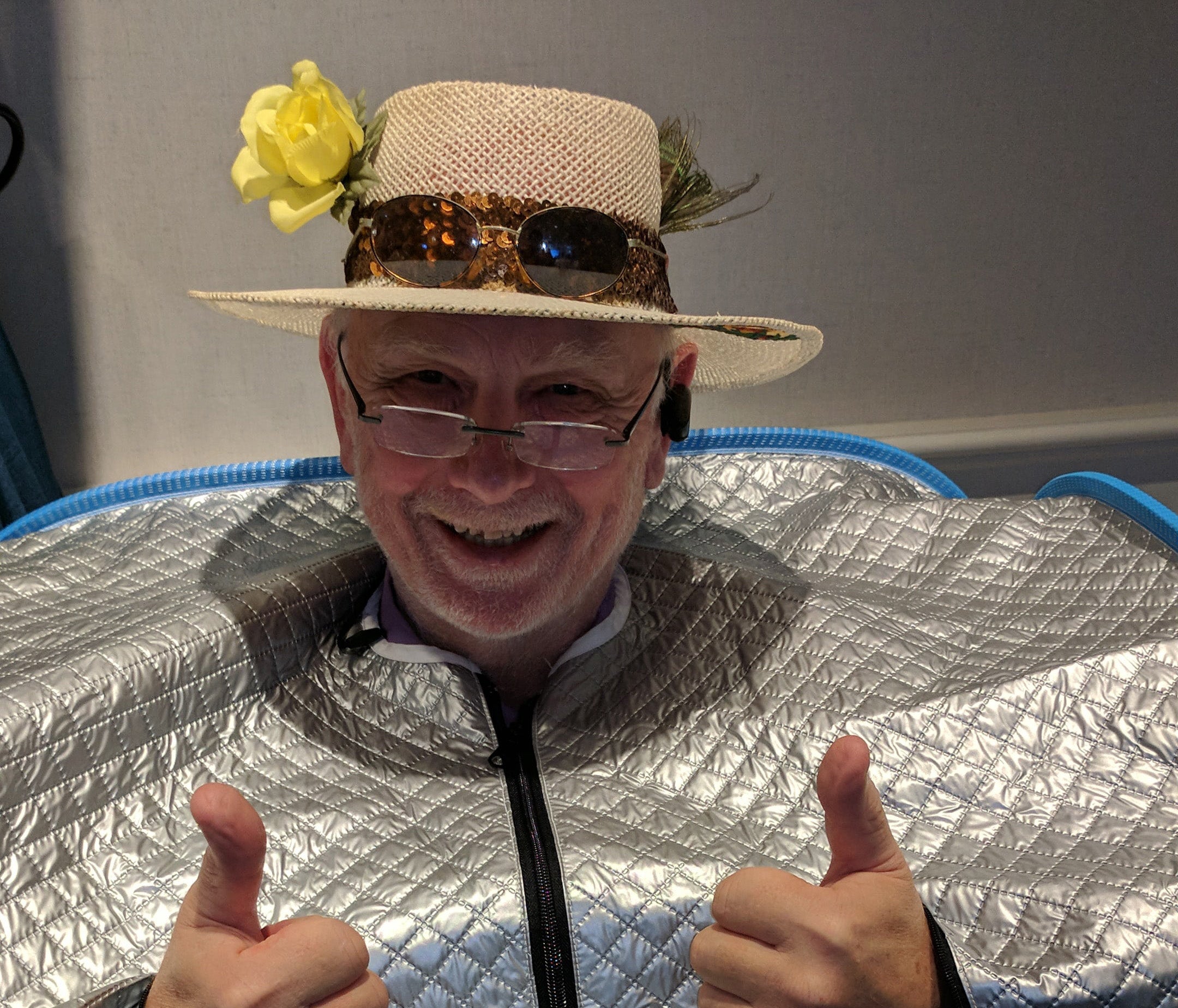
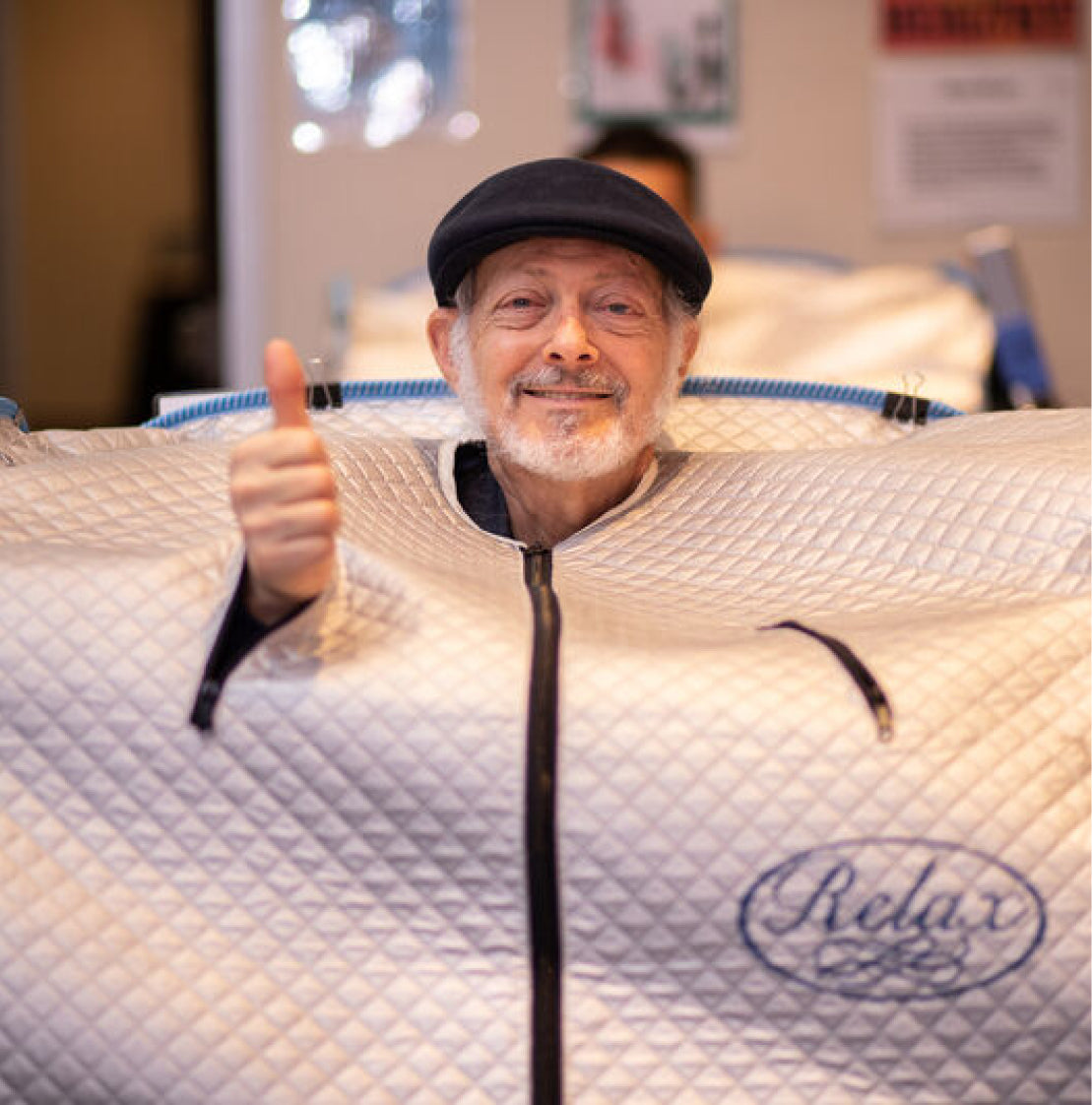
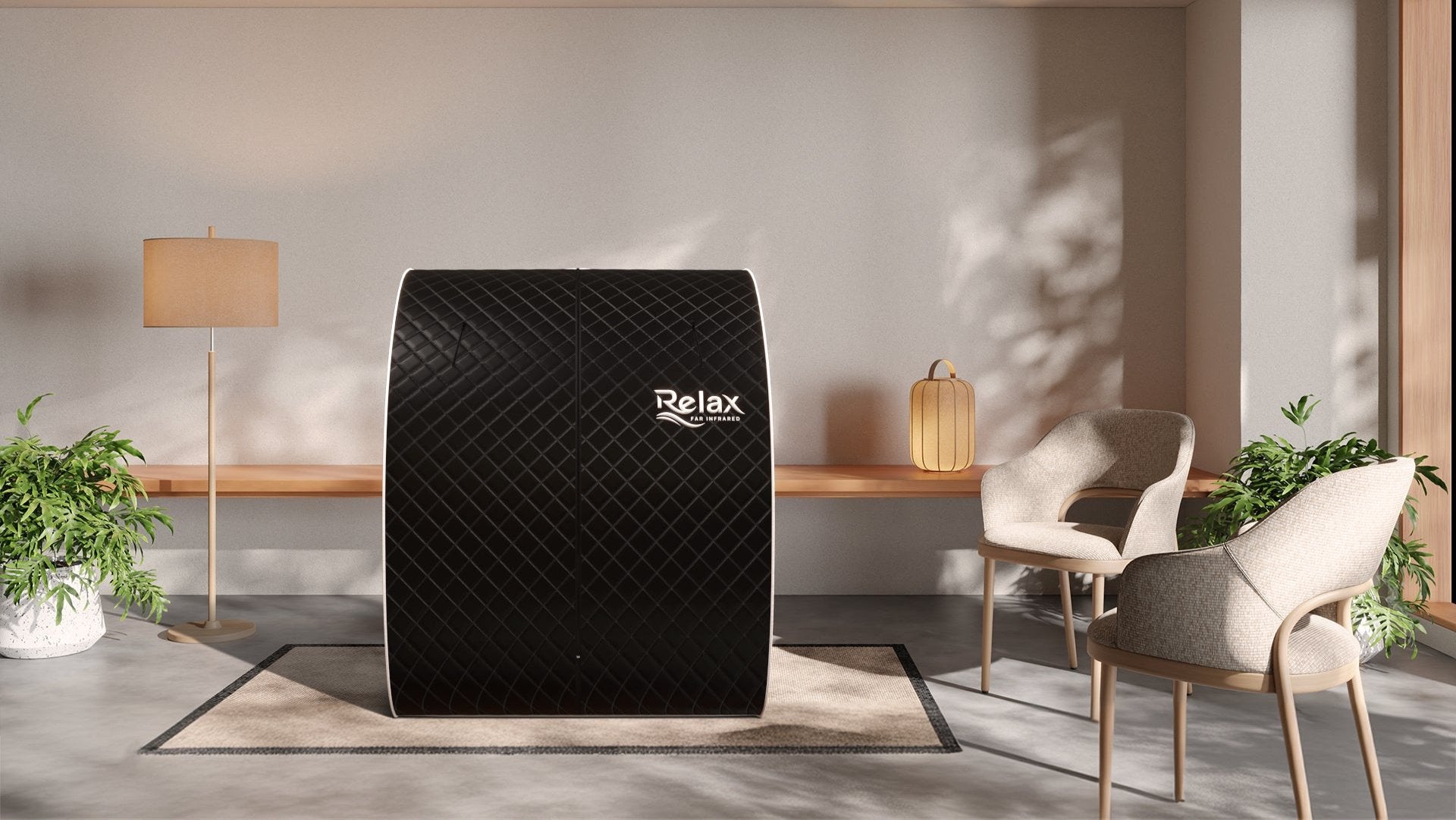
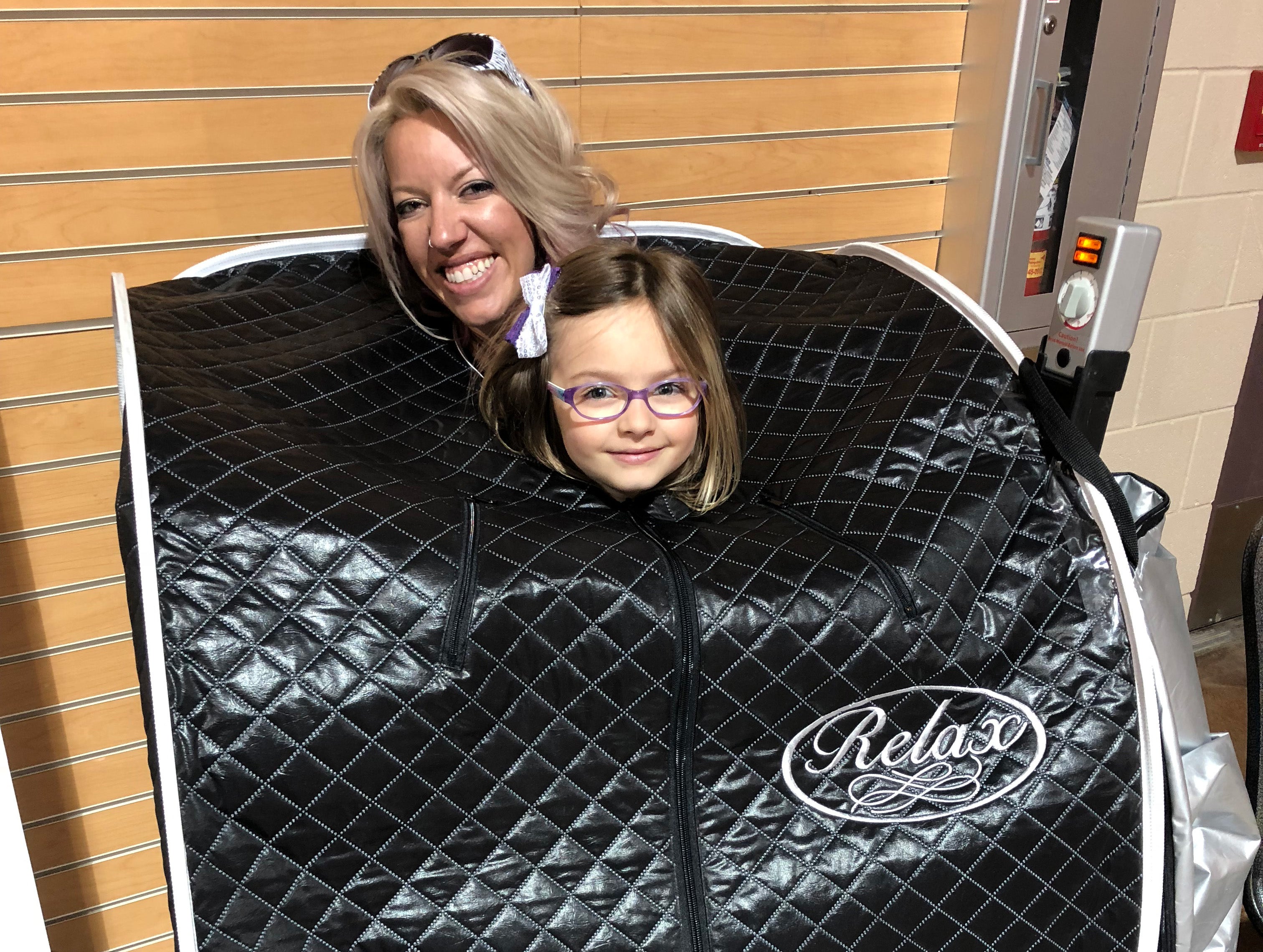
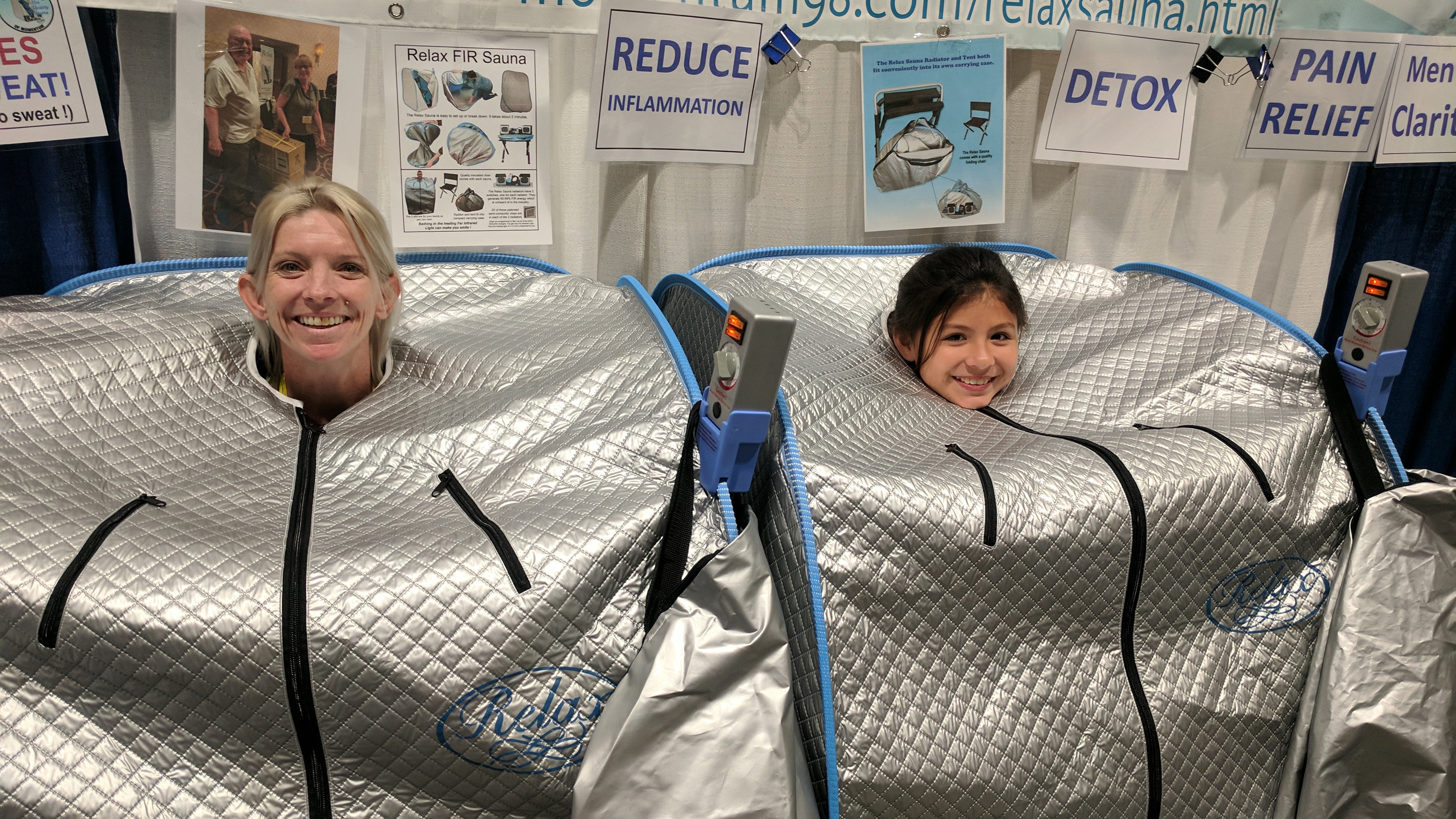
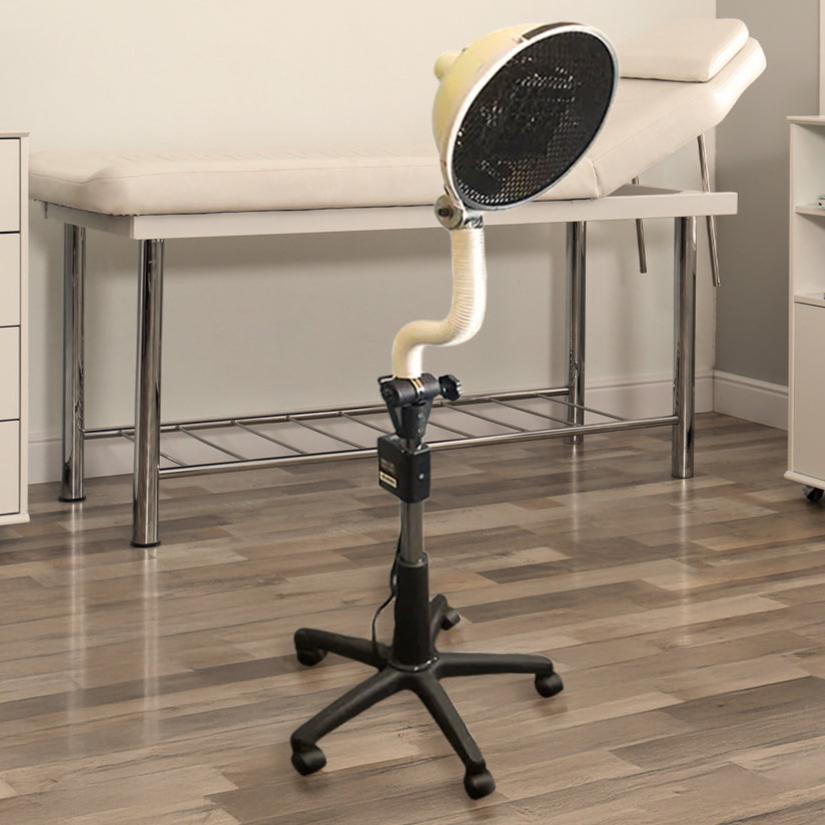
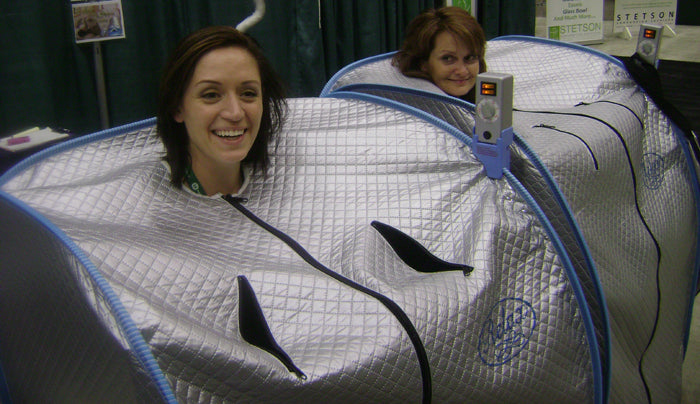
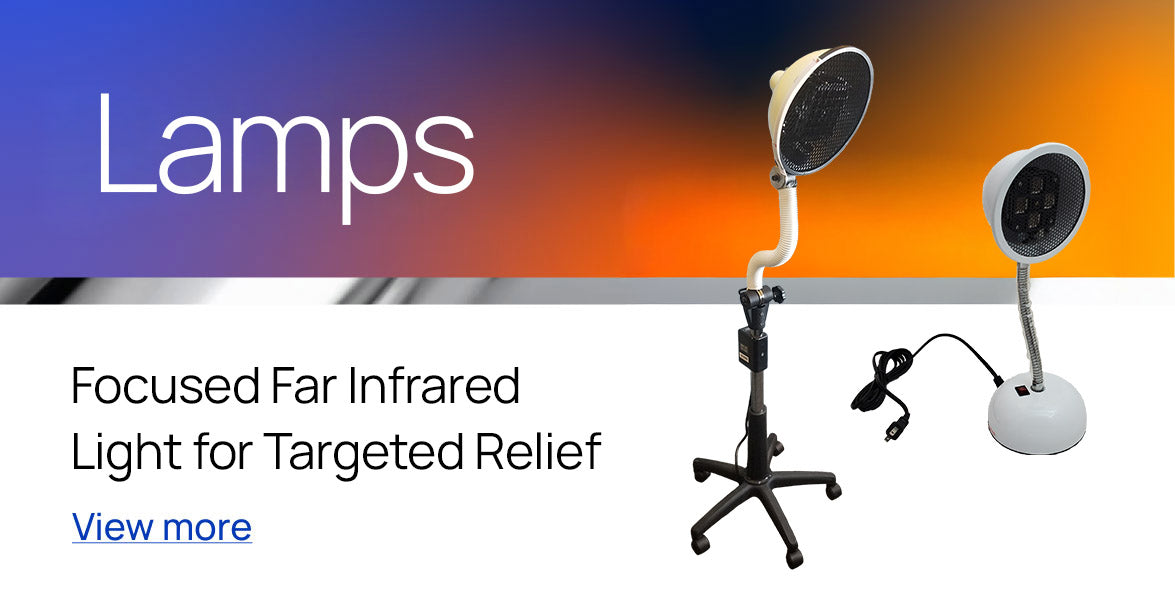
Far infrared radiation (approximately 4–14 µm) is absorbed predominantly by water in superficial tissues. Whole-body FIR, such as the Relax Sauna (PTC semiconductor emitters, 95–99% emissivity, 9.4 µm peak, head-out design), warms the entire posterior chain and engages systemic autonomic responses. Local formats include powered FIR pads and passive mineral or carbon emitters (plasters, topicals, textiles) that re-radiate body heat for prolonged periods. All three FIR-specific LBP studies used local formats, so evidence should not be transferred to whole-body sessions without qualification.
4. Clinical Evidence
4.1 Superficial heat: the established foundation
A Cochrane review of nine trials and 1,117 participants found moderate evidence that heat wrap therapy produces a small short-term reduction in pain and disability in acute and subacute LBP, with additional benefit when exercise is added; evidence for cold was insufficient (French et al. 2006). In a randomized trial of 371 adults with acute nonspecific LBP, a continuous low-level heat wrap (40 °C, 8 hours daily) provided greater pain relief, trunk flexibility, and stiffness reduction than ibuprofen 1,200 mg/day or acetaminophen 4,000 mg/day over four days (Nadler et al. 2002). On this basis, the ACP recommends superficial heat for acute and subacute LBP (Qaseem et al. 2017).
4.2 FIR in chronic LBP
In a randomized, placebo-controlled trial of 40 patients with chronic LBP of more than six years’ duration, an infrared therapy pad reduced mean pain from 6.9 to 3.0 on a 0–10 scale versus 7.4 to 6.0 with a placebo device, with no adverse effects (Gale et al. 2006). Between-group statistics were not reported in the abstract.
In a three-arm randomized trial of 54 patients with chronic lumbar pain, a non-medicated FIR mineral plaster with 1% titanium dioxide (F4) reduced pain versus placebo over 14 days (p<0.05) and improved lumbar flexion (p<0.001), whereas a 0.8% formulation (F3) did not differ significantly from placebo (Ricci et al. 2022). Disability scores fell in all arms, including placebo.
In an uncontrolled cohort of 50 office workers with LBP lasting at least six months, use of an FIR chair pad for at least 45 minutes per workday over four weeks was associated with significant improvements in nine of ten SF-36 subscales, including bodily pain, without adverse events (Ervolino & Gazze 2016).
Appraisal
The FIR-specific trials are small (n=40–54), short (2–4 weeks), and lack long-term follow-up. The Ricci report contains internal numerical inconsistencies, devices were manufacturer-supplied in two studies, and the cohort study had no control group. The placebo response in the Ricci trial was substantial. Together the studies suggest a consistent direction of benefit, and none is individually definitive.
4.3 Whole-body FIR
No randomized trial has evaluated whole-body FIR sauna specifically in LBP. In a mixed chronic pain cohort, adding daily FIR dry-sauna sessions to multidisciplinary treatment was associated with a higher two-year return-to-work rate (77% vs 50%, p<0.05) (Masuda et al. 2005). The proportion of patients with LBP in that cohort was not reported in the abstract.
4.4 Evidence summary
| Study | Population | Intervention | Key finding | Tier |
|---|---|---|---|---|
| Gale et al. 2006 | Chronic LBP >6 yr, n=40 | Infrared therapy pad vs placebo device | NRS 6.9→3.0 (IR) vs 7.4→6.0 (placebo); no adverse effects | Direct FIR, RCT (small) |
| Ricci et al. 2022 | Chronic LBP, n=54 (18/arm) | FIR mineral plaster (F3, F4) vs placebo, 14 days | F4 reduced pain vs placebo (p<0.05) and improved flexion (p<0.001); F3 not significant vs placebo | Direct FIR, RCT (short) |
| Ervolino & Gazze 2016 | Office workers, LBP ≥6 mo, n=50 | FIR chair pad ≥45 min/workday × 4 wk | Significant improvement in 9 of 10 SF-36 subscales including bodily pain; no adverse events | Direct FIR, uncontrolled cohort |
| French et al. 2006 | Cochrane; 9 RCTs, n=1,117 | Superficial heat or cold | Heat wrap reduced acute/subacute pain at 5 days; adding exercise improved pain and function; cold evidence insufficient | Review (adjacent heat) |
| Nadler et al. 2002 | Acute LBP, n=371 | Heat wrap 40 °C × 8 h/day vs ibuprofen vs acetaminophen | Heat wrap superior for pain relief, trunk flexibility, stiffness, and disability over 4 days | Adjacent heat, RCT |
| Qaseem et al. 2017 | ACP guideline | Non-drug therapies | Superficial heat recommended for acute/subacute LBP; exercise and multidisciplinary care for chronic LBP | Guideline |
| Masuda et al. 2005 | Chronic pain, n=46 | Multidisciplinary care ± FIR dry sauna × 4 wk | Return to work at 2 yr 77% vs 50% (p<0.05) | Direct FIR, mixed chronic pain |
| Bagabir et al. 2025 | Human, heat-controlled 3-arm RCT | FIR vs heat vs control | FIR-specific endothelial improvement via NRF2 pathways | Mechanistic (perfusion) |
5. Mechanistic Pathways
5.1 Muscle relaxation and flexibility
Tissue warming reduces muscle guarding and increases collagen extensibility (Lehmann et al. 1970). The improvements in trunk flexibility with heat wrap therapy (Nadler et al. 2002) and in lumbar flexion with FIR plaster (Ricci et al. 2022) are consistent with this mechanism.
5.2 Perfusion and vascular signaling
FIR increases endothelial nitric oxide production through CaMKII-mediated eNOS phosphorylation (Park et al. 2013), and a heat-controlled randomized trial demonstrated FIR-specific improvements in endothelial function via NRF2-regulated pathways (Bagabir et al. 2025). Improved paraspinal perfusion is a plausible contributor to symptom relief, though not directly measured in LBP studies.
5.3 Central modulation: autonomic balance and sleep
Repeated FIR sessions shifted autonomic balance toward parasympathetic predominance in a randomized study of heart failure patients (Kuwahata et al. 2011), and evening passive body heating improves sleep onset (Haghayegh et al. 2019). Because poor sleep and sympathetic predominance amplify chronic pain, these represent indirect pathways relevant to chronic LBP with features of central sensitization.
5.4 Enabling active care

The strongest case for FIR in LBP may be indirect. Heat combined with exercise outperformed heat alone (French et al. 2006), and exercise is a cornerstone of chronic LBP management (Qaseem et al. 2017). FIR used before movement may reduce stiffness and pain-related hesitancy, supporting adherence to active rehabilitation.
6. Explicit Positioning
What we do not claim
- FIR does not repair discs, reverse degeneration, or correct structural causes of back pain.
- FIR is not a substitute for exercise, physical therapy, or guideline-based care, and passive therapy alone is not recommended for chronic LBP.
- FIR is not appropriate for back pain with red flags, including suspected fracture, infection, malignancy, or cauda equina syndrome.
- Results from local FIR pads and plasters should not be presented as sauna outcomes, and acute-LBP heat evidence should not be presented as chronic-LBP evidence.
- FIR has not been shown to prevent recurrence or reduce long-term disability.
7. Open Question
What a definitive trial would need
Population: adults with chronic nonspecific LBP (>3 months), stratified by features of central sensitization.
Arms: FIR (whole-body and/or local) plus a standardized exercise program versus sham FIR plus the same program.
Primary endpoints: pain intensity and Oswestry Disability Index or Roland-Morris score at 12 weeks.
Secondary endpoints: lumbar range of motion, exercise adherence, sleep quality, analgesic use, return to work, and recurrence at 6 and 12 months.
Dose characterization: wavelength, irradiance, skin temperature, and session duration recorded for each format.
8. Clinical Guidance

Do not
- Use FIR for back pain with red flags: significant trauma, fever, unexplained weight loss, history of cancer, progressive neurological deficit, saddle anesthesia, or bowel or bladder dysfunction.
- Present FIR as a stand-alone treatment for chronic LBP or as a replacement for active rehabilitation.
- Apply local heat over areas of reduced sensation, broken skin, or recent spinal surgery wounds, or during sleep with powered heating devices that lack automatic shut-off.
- Recommend unsupervised whole-body sessions for patients with unstable cardiovascular disease or significant orthostatic symptoms.
Consider
- Superficial heat or local FIR for acute and subacute LBP, consistent with ACP recommendations, alongside advice to stay active.
- Whole-body FIR sessions of 15–25 minutes, three to five times weekly, before exercise or stretching in chronic LBP.
- Passive local FIR (plasters, topicals, under-sheet or seat textiles) for prolonged daily exposure, mirroring the formats used in the FIR trials.
- Evening sessions when sleep disturbance is prominent.
- A four-week trial with tracking of pain, morning stiffness, function, and activity levels.
9. Conclusion
Superficial heat is a guideline-endorsed therapy for acute and subacute LBP with evidence that it outperforms common oral analgesics in the short term. FIR-specific evidence in chronic LBP is limited to small, short trials that consistently favor active devices over placebo. Mechanistic data support effects on muscle stiffness, perfusion, autonomic balance, and sleep. FIR is best positioned as a safe adjunct that eases pain and stiffness and supports the active care on which long-term recovery depends, while larger trials with functional endpoints and longer follow-up are undertaken.
References
- Bagabir H, Mohammad OA, Lang C, et al. Far infrared therapy improves vascular function by enhancing endothelial function and decreasing arterial stiffness via cytoprotective pathways. Free Radic Biol Med. 2025;241:438–446. doi:10.1016/j.freeradbiomed.2025.09.039
- Ervolino F, Gazze R. Far infrared wavelength treatment for low back pain: evaluation of a non-invasive device. Work. 2016;53(1):157–162. doi:10.3233/WOR-152152
- French SD, Cameron M, Walker BF, Reggars JW, Esterman AJ. A Cochrane review of superficial heat or cold for low back pain. Spine. 2006;31(9):998–1006. doi:10.1097/01.brs.0000214881.10814.64
- Gale GD, Rothbart PJ, Li Y. Infrared therapy for chronic low back pain: a randomized, controlled trial. Pain Res Manag. 2006;11(3):193–196. PMID:16960636
- Haghayegh S, Khoshnevis S, Smolensky MH, Diller KR, Castriotta RJ. Before-bedtime passive body heating by warm shower or bath to improve sleep: a systematic review and meta-analysis. Sleep Med Rev. 2019;46:124–135. doi:10.1016/j.smrv.2019.04.008
- Kuwahata S, Miyata M, Fujita S, et al. Improvement of autonomic nervous activity by Waon therapy in patients with chronic heart failure. J Cardiol. 2011;57(1):100–106. doi:10.1016/j.jjcc.2010.08.005
- Lehmann JF, Masock AJ, Warren CG, Koblanski JN. Effect of therapeutic temperatures on tendon extensibility. Arch Phys Med Rehabil. 1970;51(8):481–487.
- Masuda A, Koga Y, Hattanmaru M, Minagoe S, Tei C. The effects of repeated thermal therapy for patients with chronic pain. Psychother Psychosom. 2005;74(5):288–294. doi:10.1159/000086319
- Nadler SF, Steiner DJ, Erasala GN, et al. Continuous low-level heat wrap therapy provides more efficacy than ibuprofen and acetaminophen for acute low back pain. Spine. 2002;27(10):1012–1017.
- Park JH, Lee S, Cho DH, Park YM, Kang DH, Jo I. Far-infrared radiation acutely increases nitric oxide production by increasing Ca²⁺ mobilization and Ca²⁺/calmodulin-dependent protein kinase II-mediated phosphorylation of endothelial nitric oxide synthase at serine 1179. Biochem Biophys Res Commun. 2013;436(4):601–606. PMID:23756809
- Qaseem A, Wilt TJ, McLean RM, Forciea MA. Noninvasive treatments for acute, subacute, and chronic low back pain: a clinical practice guideline from the American College of Physicians. Ann Intern Med. 2017;166(7):514–530. doi:10.7326/M16-2367
- Ricci M, Mulone A, Elena N, Vecchini E, Valentini R, Gelmini M. Use of a non-medicated plaster in chronic lumbar back pain: a randomized controlled trial. Acta Biomed. 2022;93(4):e2022260. doi:10.23750/abm.v93i4.12931
- Woolf CJ. Central sensitization: implications for the diagnosis and treatment of pain. Pain. 2011;152(3 Suppl):S2–S15. doi:10.1016/j.pain.2010.09.030