Health Conditions - Lupus
Far Infrared Therapy in Lupus Management
Immune Modulation, Vascular Restoration, and Systemic Inflammatory Support
1. Executive Summary & Clinical Overview
Systemic Lupus Erythematosus (SLE) is a complex autoimmune disorder characterized by immune dysregulation, chronic systemic inflammation, and multisystemic organ involvement. Patients frequently navigate a landscape of debilitating fatigue, arthralgias, and vascular complications like Raynaud's phenomenon. While immunosuppressive pharmacotherapy remains the standard of care, there is a critical clinical need for non-invasive, integrative interventions that address systemic inflammation and enhance quality of life without exacerbating autoimmune activity.
Far Infrared (FIR) thermal therapy acts as a targeted, biophysical intervention. By utilizing precise radiant wavelengths to deeply penetrate tissues, FIR induces controlled mild hyperthermia and vascular dilation. This process has been shown to downregulate pro-inflammatory cytokines, stabilize endothelial function, and provide significant analgesic relief for patients struggling with the chronic pain cycles inherent to SLE. It offers a restorative environment to modulate the autonomic nervous system, shifting the body from a hyper-sympathetic inflammatory state to parasympathetic recovery.
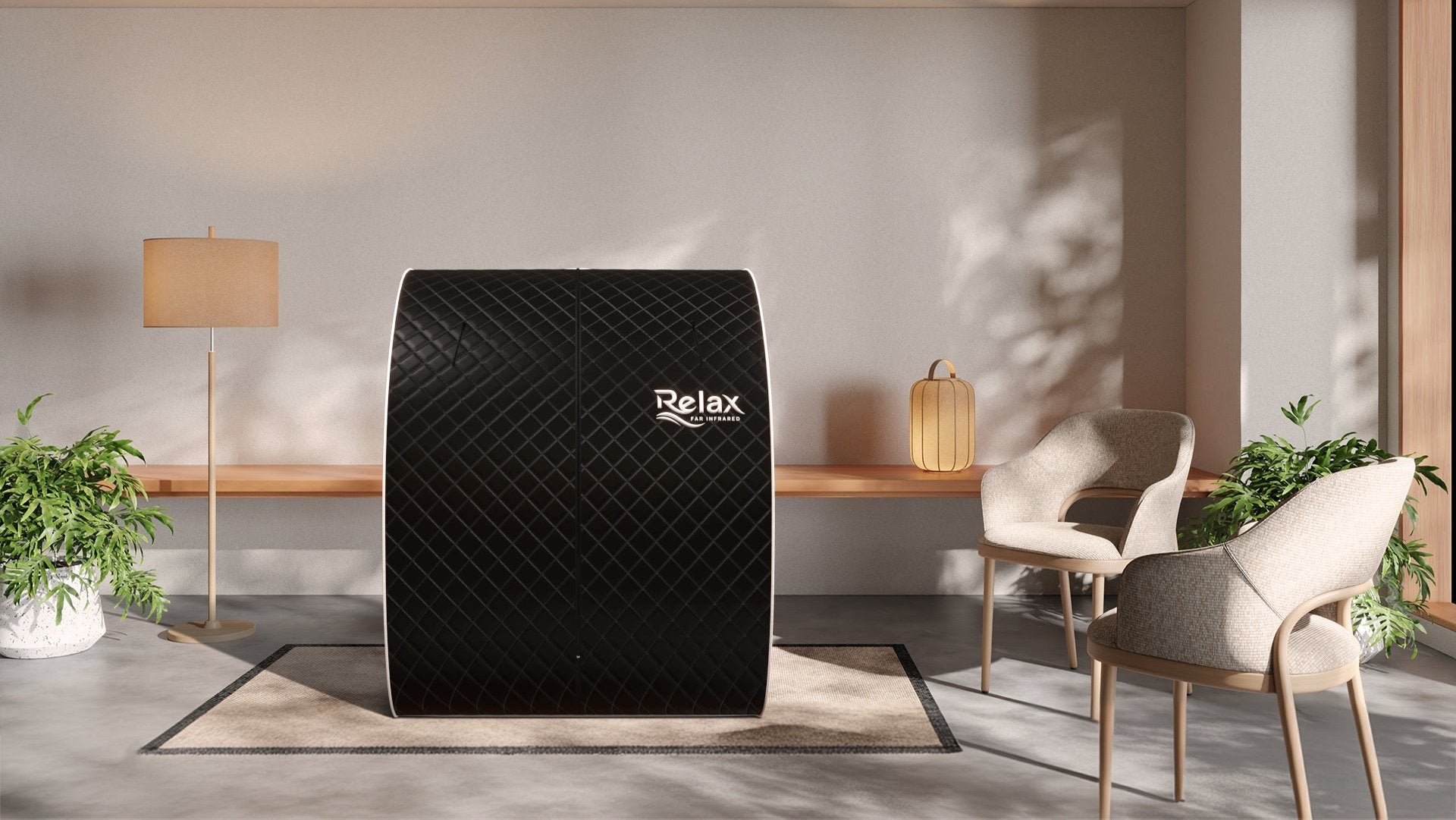
The Relax Far Infrared Sauna delivers a therapeutic-grade option to augment standard rheumatological care. By accelerating detoxification, easing treatment-induced pain, optimizing tissue perfusion, and providing a restorative environment, it empowers SLE patients to manage their disease with enhanced clinical resilience.2. SLE Pathophysiology: A Complex Clinical Picture
Navigating SLE presents a profound, multi-layered clinical challenge. Because the disease involves the overproduction of autoantibodies and systemic inflammatory signaling, traditional heating methods that induce heavy thermal stress can be contraindicated. Therefore, a precise, biophysical approach is required to calm the autoimmune response rather than agitate it.
Systemic Vulnerabilities in the Lupus Landscape:
Hyperactive B cells and defective regulatory T cell function create a self-perpetuating cycle of autoantibody production and systemic distress.
Endothelial dysfunction, contributing to atherosclerosis and Raynaud's phenomenon, significantly compromises systemic health.
Approximately 80% of SLE patients experience debilitating fatigue, while 95% struggle with unremitting arthralgias and myalgias.
Constant sympathetic nervous system dominance (fight-or-flight) exacerbates inflammatory flares and prevents cellular repair.
3. Biophysics of FIR & Semiconductor Engineering Precision
Far Infrared Radiation represents a highly specific band of the electromagnetic spectrum. Advanced clinical systems isolate a strict 4–14 micron range, matching the natural biothermal emission of human tissue. This allows for deep-tissue warming without the respiratory strain or high ambient temperatures that can be triggering for patients with autoimmune conditions.
Engineering Benchmarks for SLE Support
The Relax Far Infrared Sauna features a patented, semiconductor-controlled chip design that delivers a near-pure radiant output. For the SLE patient, this precision is vital. It prevents the uneven heating spikes found in inferior carbon heaters, delivering a continuous, gentle energy density that promotes microcirculation and antioxidant defenses without overloading the sensitive nervous system.

4. 5 Physiological Pathways to Lupus Management
1. Immune Modulation
FIR therapy promotes the production of Heat Shock Proteins (HSP70), which act as molecular chaperones to reduce autoantigen immunogenicity and encourage a more balanced T-cell regulatory response.
2. Vascular Enhancement
By stimulating endothelial nitric oxide synthase, FIR therapy improves peripheral circulation, offering systemic support for Raynaud’s-related vascular constriction and tissue hypoxia.
3. Anti-Inflammatory Modulation
Suppresses pro-inflammatory cytokines (IL-6, TNF-α) while upregulating superoxide dismutase (SOD), helping to combat the excessive oxidative stress inherent in Lupus flares.
4. Pain & Analgesia
Deep heat improves joint stiffness and reduces arthralgia by relaxing musculature and stimulating endorphin release, providing a natural approach to chronic pain management.
5. Autonomic Stability
Shifts the nervous system toward parasympathetic dominance, helping to manage chronic fatigue, stabilize mood, and improve sleep quality for those with autoimmune depletion.
5. Modalities & Application Strategy
Depending on the severity of the SLE flare, different modalities provide specific benefits:
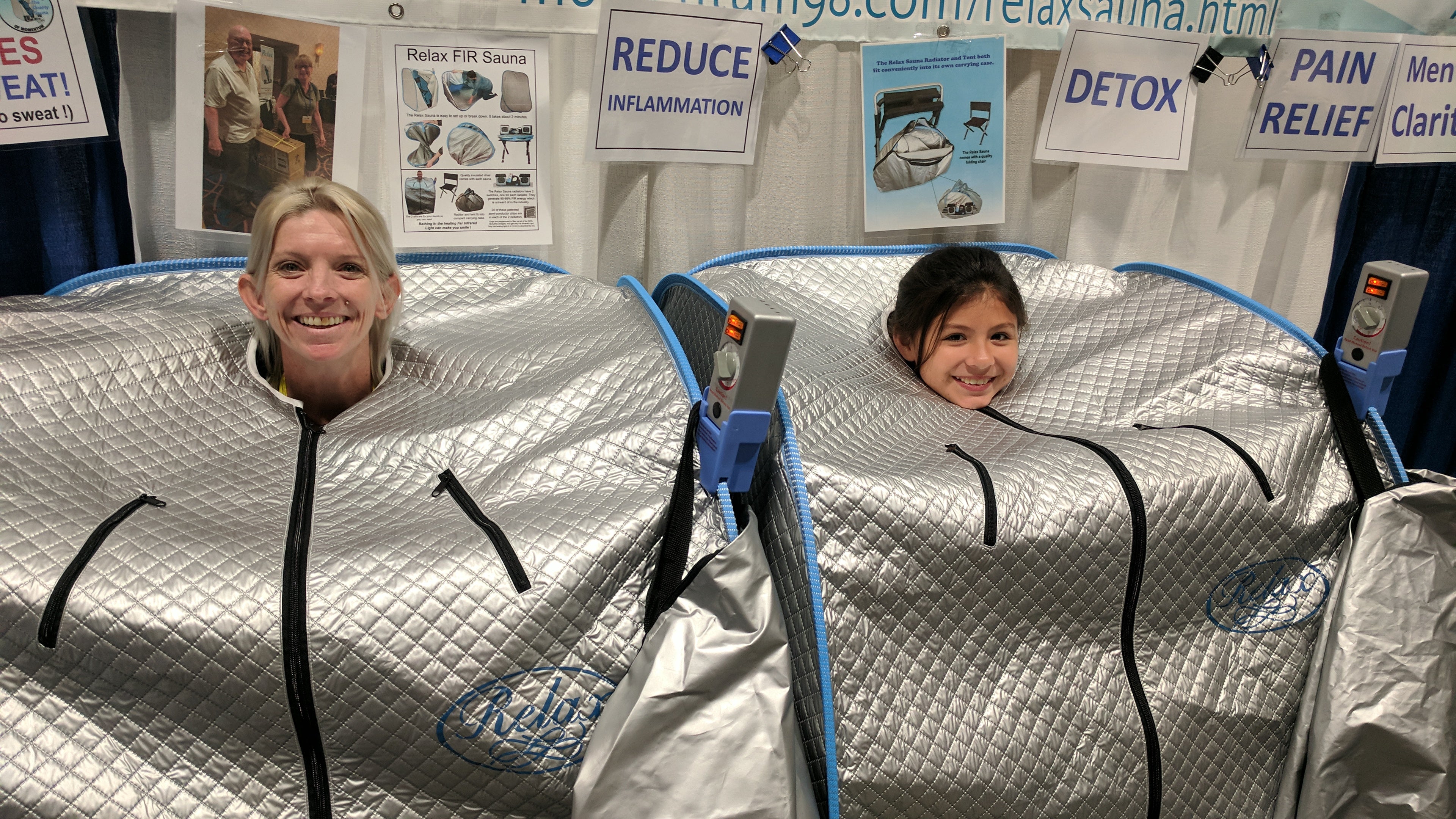
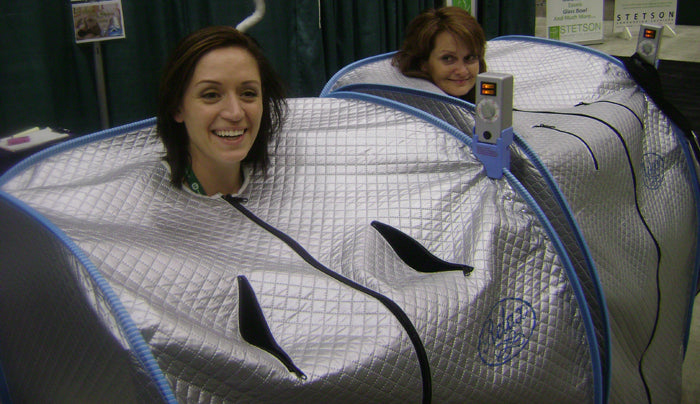
- Full-Body Saunas: Recommended for systemic fatigue management and general anti-inflammatory support during stable periods.
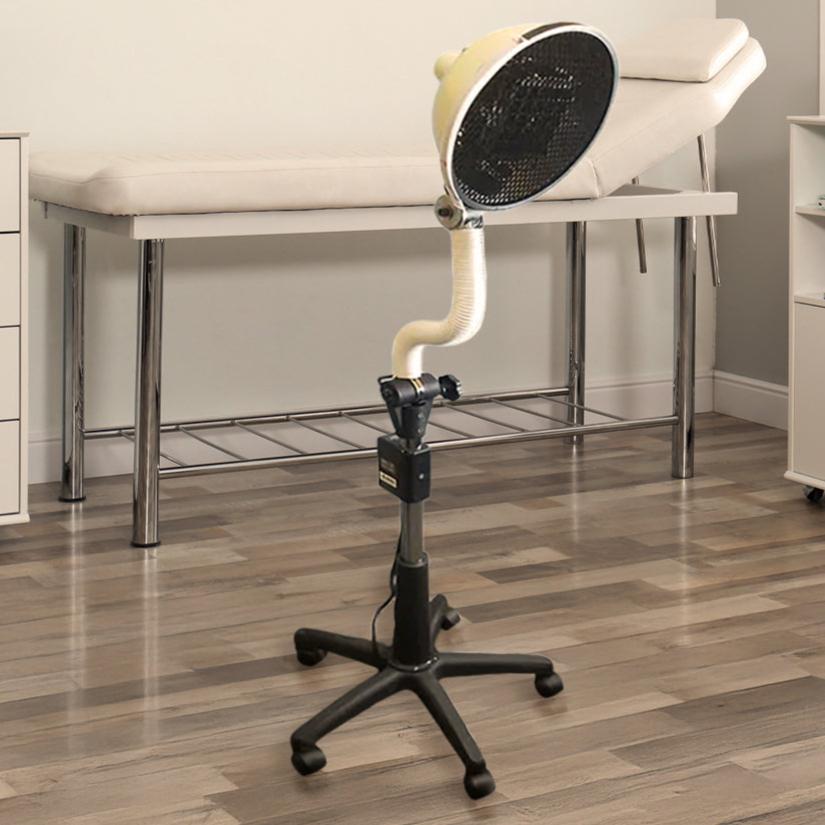
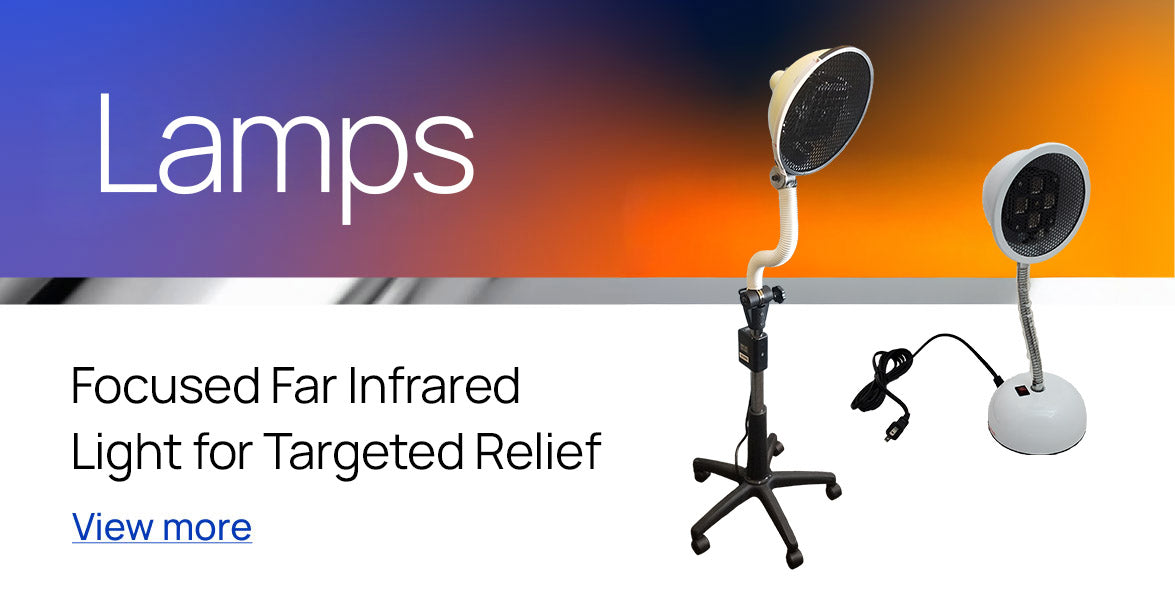
- Localized Emitters: Ideal for targeted joint pain or skin-specific manifestations where full-body exposure is not desired or tolerated.
6. Evidence & Safety Protocols
Safety & Implementation Guidelines
Begin with 5–10 minute sessions. Due to the unpredictable nature of autoimmune flares, moderation is the primary safety principle.
Strict hydration is mandatory. Always consult with a rheumatologist before integrating FIR, especially if taking photosensitive medications.
Clinical studies on FIR therapy in related inflammatory arthritis show significant reduction in pain scores and stiffness. Pilot data suggests that for SLE patients, consistent low-dose FIR application can improve systemic fatigue scales and enhance endothelial function over 12-week protocols.
7. Triple Support for the Fight
For the patient. For the caregiver. For the whole family. Because autoimmune conditions affect the entire household.
Physical Support
Far-infrared therapy supports SLE patients physically through gentle, sustained mechanisms. The Relax Sauna improves peripheral circulation, helps mobilize cellular waste, and alleviates deep-tissue joint pain. For patients managing chronic arthralgias, neuropathy, or systemic inflammation, FIR offers therapeutic assistance at a thermal load that the body can easily integrate, avoiding the stress of conventional high-heat environments.
Cognitive Support
The cognitive burden of "Lupus brain fog" and chronic exhaustion is significant. FIR therapy upregulates mitochondrial activation and cerebral perfusion, helping to mitigate systemic inflammation that contributes to cognitive impairment. Consistent application helps restore mental clarity, sharpens focus, and builds the cognitive stamina required for patients to manage their daily treatment plans and personal responsibilities.
Emotional Support
A twenty-minute daily window of deep radiant warmth becomes a sanctuary for self-care, providing a break from the relentless stress of chronic disease management. The body responds with restorative parasympathetic relaxation, reducing anxiety and promoting a sense of groundedness. This ritual helps patients and families find a quiet space to reset, reducing the cycle of stress that often triggers autoimmune flares.
8. Testimonials
Hear from those who have integrated Far Infrared radiant thermal therapy into their autoimmune recovery journey to manage chronic inflammation, fatigue, and systemic pain:



Explore the Relax Far Infrared Line Up


Feel the Momentum