Chronic Pain and Central Sensitization Medical Page
Far Infrared Therapy in Chronic Pain and Central Sensitization
A Mechanistic and Clinical Review, with Explicit Positioning on Nervous-System Claims
ABSTRACT
Background: Central sensitization, an amplification of neural signaling within the central nervous system that elicits pain hypersensitivity, contributes to fibromyalgia, chronic low back pain, and many other persistent pain states. Its expression is modulated by sleep, autonomic tone, and mood, each of which is a plausible target for thermal therapy.
Evidence: Repeated far infrared (FIR) dry-sauna therapy (Waon) has been studied in chronic pain and fibromyalgia in small controlled and uncontrolled cohorts, reporting pain reduction and, in one controlled study, a higher two-year return-to-work rate (Masuda et al. 2005). A sham-controlled randomized trial of water-filtered infrared-A whole-body hyperthermia reported a clinically meaningful between-group pain reduction persisting to 30 weeks (Langhorst et al. 2023). Mechanistic data link FIR to improved autonomic balance, endothelial nitric oxide signaling, and NRF2 cytoprotective activity.
Positioning: No study has measured a central-sensitization endpoint (quantitative sensory testing, temporal summation, conditioned pain modulation, or neuroimaging) after FIR exposure. FIR is therefore positioned as a low-risk adjunct that targets the known amplifiers of sensitized pain within multidisciplinary care, and not as a treatment that reverses central sensitization.
1. Introduction
Pain that persists beyond normal tissue healing, spreads beyond the original site, or is disproportionate to identifiable pathology is frequently attributed to central sensitization. Woolf defined the phenomenon as an amplification of neural signaling within the central nervous system that elicits pain hypersensitivity (Woolf 2011). In 2016 the International Association for the Study of Pain introduced the descriptor nociplastic for pain arising from altered nociception without clear evidence of tissue damage or somatosensory lesion (Kosek et al. 2016).
Clinically, sensitized pain is identified by widespread hyperalgesia, allodynia, enhanced temporal summation, impaired conditioned pain modulation, and co-occurring sleep disturbance, fatigue, and mood symptoms (Nijs et al. 2021). Because no single pharmacological agent reliably normalizes these processes, current management emphasizes multimodal care: pain neuroscience education, graded activity, sleep and stress interventions, and selected medications. This review examines where far infrared therapy fits within that framework.
2. Pathophysiology and Its Amplifiers
Central sensitization involves increased excitability of dorsal horn neurons, expanded receptive fields, reduced descending inhibition, and altered cortical processing (Woolf 2011). Several state variables modulate the gain of this system, and each is relevant to thermal therapy:
- Sleep: Sleep disruption predicts next-day pain more strongly than pain predicts subsequent sleep, and experimental sleep restriction impairs descending inhibition (Finan et al. 2013).
- Autonomic tone: Sympathetic predominance and reduced heart rate variability are common in fibromyalgia and are associated with heightened pain sensitivity.
- Mood: Depression and anxiety share neural circuitry with pain modulation and amplify pain reporting and disability.
- Peripheral input: Ongoing nociceptive input from muscle, joint, or vascular sources can maintain central sensitization; reducing this input is a recognized therapeutic lever (Nijs et al. 2021).
These amplifiers frame the question this review addresses: whether FIR therapy can act on one or more of them with acceptable safety, and what evidence supports doing so.
3. Far Infrared Biophysics
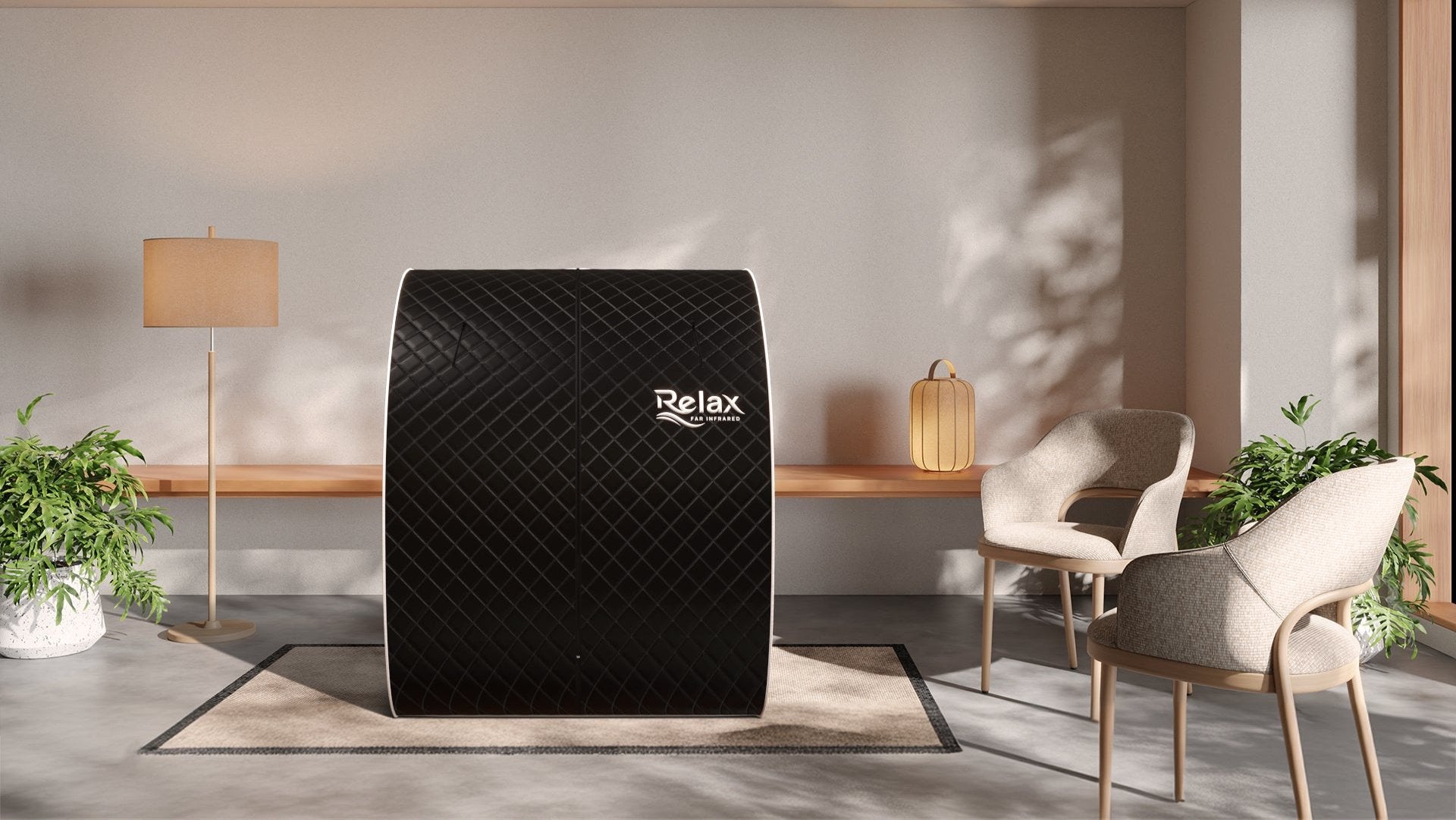
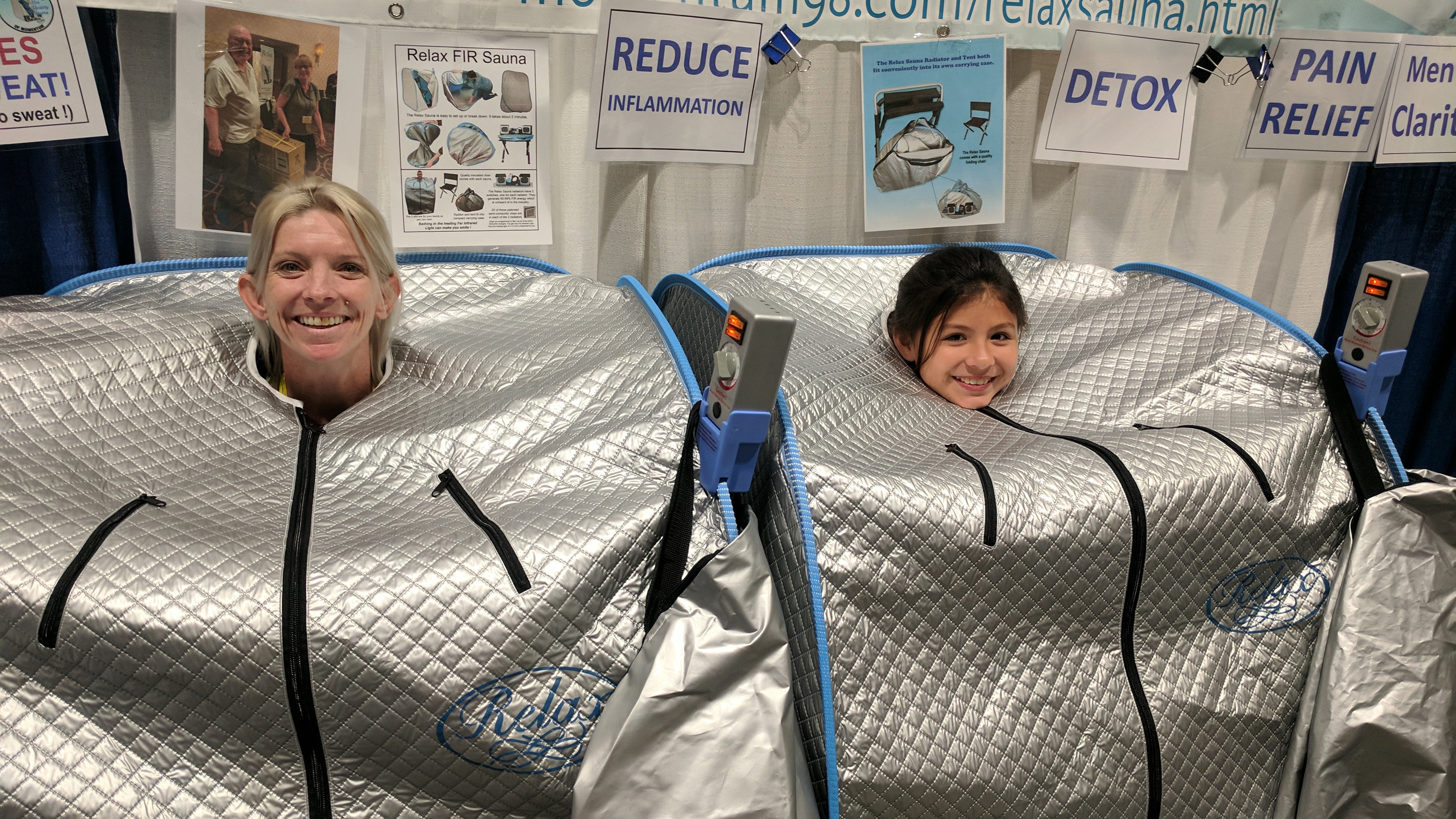
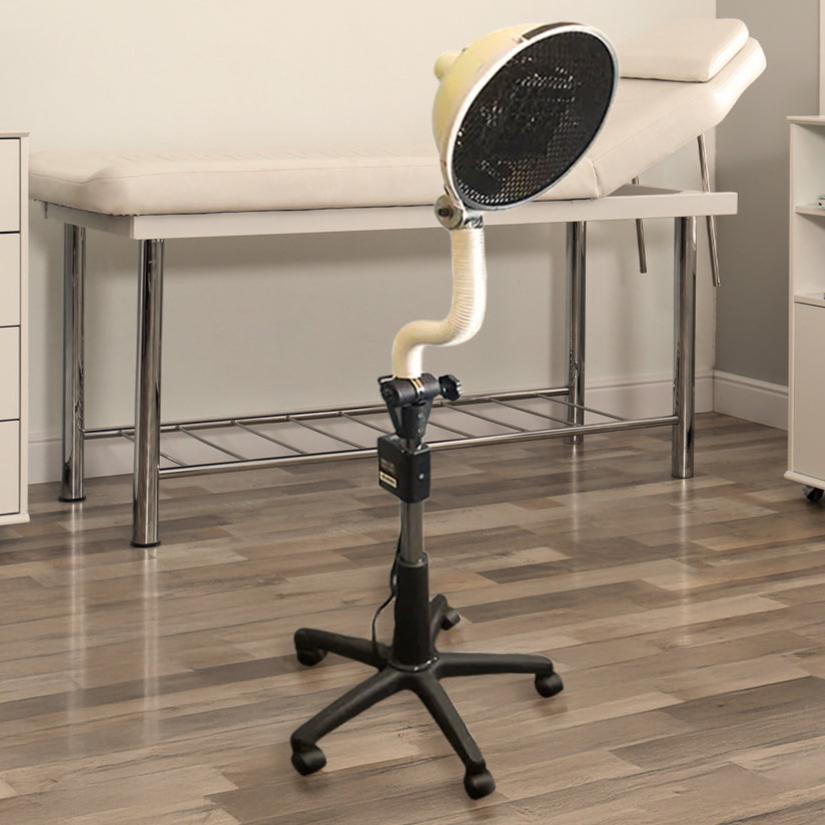
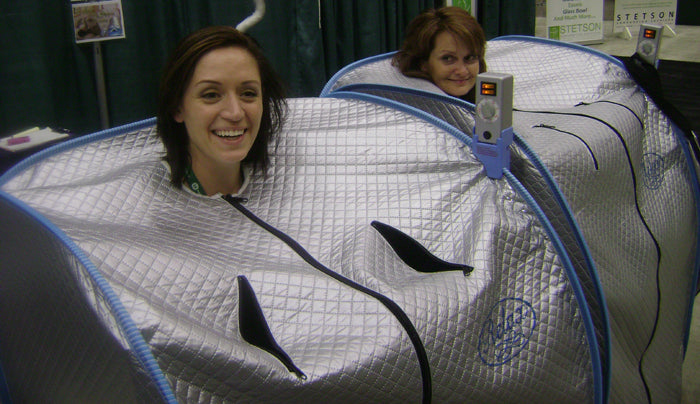
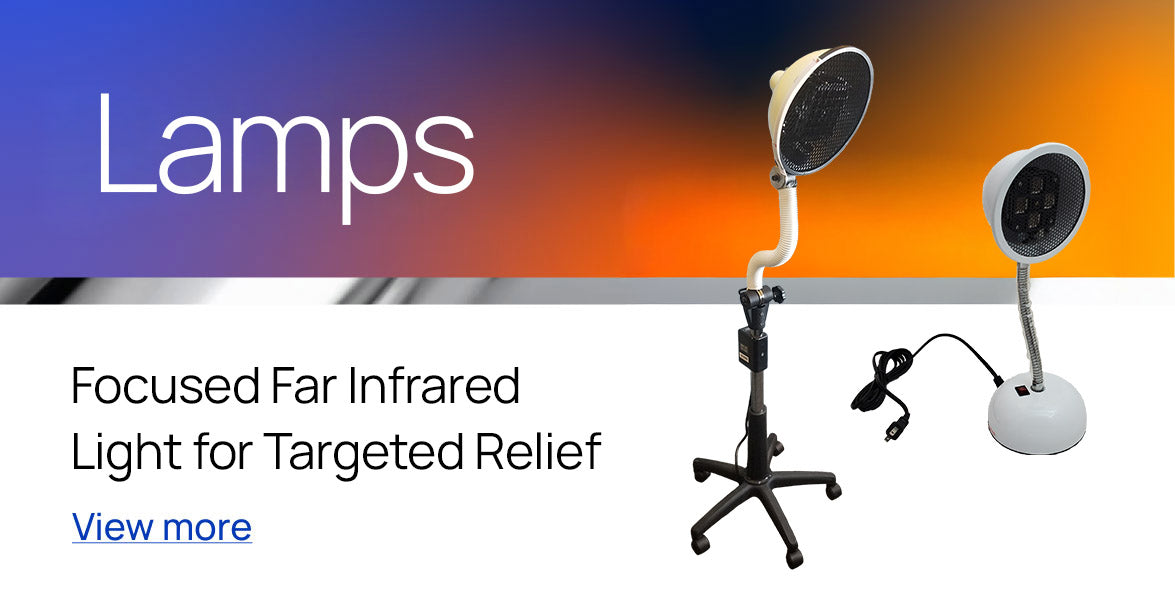
Far infrared radiation (approximately 4–14 µm in therapeutic devices) is absorbed predominantly by water in the superficial tissues through vibrational and rotational modes, producing tissue warming with lower ambient air temperatures than conventional saunas. The Relax Sauna uses PTC semiconductor emitters with 95–99% emissivity and a 9.4 µm peak, a silver-reflective interior, and a head-out configuration. The Japanese Waon protocol, which supplies most of the clinical FIR pain literature, uses a 60 °C FIR dry sauna for 15 minutes followed by 30 minutes of blanket-wrapped rest; outcomes from that protocol should not be assumed identical to other FIR devices or temperatures.
4. Clinical Evidence
4.1 Far Infrared Dry Sauna (Waon) in Chronic Pain and Fibromyalgia
The most informative FIR study in chronic pain compared multidisciplinary inpatient treatment (cognitive behavioral therapy, rehabilitation, exercise) with and without daily FIR dry sauna for four weeks in 46 patients (Masuda et al. 2005). Pain, pain behavior, depression, and anger improved in both groups. Anger scores were lower in the thermal group (p=0.05), pain behavior trended lower (p=0.07), and at two years 77% of the thermal group had returned to work versus 50% of controls (p<0.05). Allocation methods are not described in the abstract, and the sample is small.
In 13 women with fibromyalgia, Waon therapy reduced pain VAS by roughly half after the first session, with reductions of 20–78% after ten sessions and a significant decrease in Fibromyalgia Impact Questionnaire scores (p<0.01) (Matsushita et al. 2008). There was no control group. In a pilot of 10 patients with chronic fatigue syndrome, four weeks of Waon therapy improved fatigue, mood, and performance status, but pain did not change significantly (Soejima et al. 2015), an honest null that cautions against assuming uniform analgesic response.
4.2 Localized Infrared Therapy
In a randomized, placebo-controlled trial of 40 patients with chronic low back pain of more than six years’ duration, an infrared therapy pad reduced mean pain from 6.9 to 3.0 on a 0–10 scale versus 7.4 to 6.0 with a placebo device, without adverse effects (Gale et al. 2006). Between-group statistics were not reported in the abstract and the population was not stratified by sensitization status.
4.3 Infrared Sauna in Inflammatory Rheumatic Disease
In a pilot of 17 patients with rheumatoid arthritis and 17 with ankylosing spondylitis, infrared sauna sessions (55 °C, 30 minutes, twice weekly for four weeks) produced significant immediate reductions in pain and stiffness after each session, while changes across the four-week period were not statistically significant (Oosterveld et al. 2009). No adverse effects or disease flares were reported, and 88% of patients rated sessions as comfortable. The study supports tolerability and short-term relief rather than cumulative benefit.
4.4 Whole-Body Hyperthermia: The Best-Controlled Adjacent Evidence
A single-blinded, sham-controlled randomized trial in 41 patients with fibromyalgia delivered six sessions of water-filtered infrared-A whole-body hyperthermia, raising core temperature to approximately 38.7 °C (Langhorst et al. 2023). Pain intensity fell 30.7% versus 9.5% with sham at week 4 (p=0.015, partial η²=0.146), and the between-group difference persisted at week 30 (p=0.002). Pain interference was also lower at week 30. Responder rates (≥30% reduction) favored hyperthermia but did not reach significance (10/21 vs 4/20, p=0.13), and inflammatory cytokines did not change.
MODALITY-TRANSFER CAVEAT
wIRA hyperthermia (near infrared, target core temperature 38.5 °C) differs from FIR sauna in wavelength, dose, and thermal load. This trial establishes that controlled thermal therapy can reduce fibromyalgia pain beyond sham; it does not establish that a given FIR sauna session produces the same effect. It is included as adjacent evidence that supports the plausibility of the thermal approach.
4.5 Evidence Summary
| Study | Population | Intervention | Key Finding | Tier |
|---|---|---|---|---|
| Masuda et al. 2005 | Chronic pain, n=46 (inpatient) | Multidisciplinary care ± FIR dry sauna (Waon), daily × 4 wk | Return to work at 2 yr 77% vs 50% (p<0.05); anger ↓ (p=0.05); pain behavior trend (p=0.07) | Direct, controlled, non-randomized |
| Matsushita et al. 2008 | Fibromyalgia, n=13 women | Waon 60 °C × 15 min + 30 min rest, 2–5×/wk | Pain VAS ~50% ↓ after first session; 20–78% ↓ after 10 sessions; FIQ ↓ (p<0.01) | Direct, uncontrolled |
| Soejima et al. 2015 | Chronic fatigue syndrome, n=10 | Waon 5×/wk × 4 wk | Fatigue, mood, performance improved; pain did not change significantly | Direct, uncontrolled (honest null on pain) |
| Gale et al. 2006 | Chronic low back pain >6 yr, n=40 | Infrared therapy pad vs placebo device | NRS 6.9→3.0 (IR) vs 7.4→6.0 (placebo); no adverse effects | Direct, RCT (small, local) |
| Oosterveld et al. 2009 | RA n=17, AS n=17 | IR sauna 55 °C × 30 min, 2×/wk × 4 wk | Immediate pain/stiffness ↓ after each session (p<0.05–0.001); 4-wk changes not significant | Direct, uncontrolled pilot |
| Langhorst et al. 2023 | Fibromyalgia, n=41 | wIRA whole-body hyperthermia to 38.5 °C core × 6 vs sham | BPI pain −30.7% vs −9.5% at wk 4 (p=0.015); benefit at wk 30 (p=0.002); cytokines unchanged | Adjacent modality, sham-controlled RCT |
| Janssen et al. 2016 | Major depressive disorder, n=34 | Single WBH session vs sham | Depression scores ↓ vs sham, sustained 6 wk | Adjacent (mood amplifier) |
| Kuwahata et al. 2011 | Chronic heart failure, n=54 | Waon daily × 4 wk vs usual care | HF power 81→164 ms²; LF/HF 2.31→1.20 (both p<0.01) | Mechanistic (autonomic) in adjacent population |
5. Mechanistic Pathways
No single mechanism has been demonstrated to mediate FIR effects on sensitized pain. The following pathways connect FIR exposure to the amplifiers described in Section 2, with the strength of support noted for each:
5.1 Autonomic Rebalancing
In a randomized study of 54 patients with chronic heart failure, four weeks of Waon therapy roughly doubled high-frequency HRV power (81 to 164 ms², p=0.004) and lowered the LF/HF ratio from 2.31 to 1.20 (p=0.001), with significant between-group differences versus usual care (Kuwahata et al. 2011). The population differs from chronic pain cohorts, but the finding demonstrates that repeated FIR exposure can shift autonomic balance toward parasympathetic predominance, a state associated with lower pain sensitivity.
5.2 Sleep and Thermoregulation
Passive body heating one to two hours before bed shortens sleep onset latency and improves subjective sleep quality, an effect attributed to the subsequent distal vasodilation and core temperature decline that precede sleep (Haghayegh et al. 2019). Because sleep disruption amplifies pain (Finan et al. 2013), appropriately timed evening FIR sessions are a mechanistically reasonable sleep-directed adjunct, although no FIR trial in chronic pain has used sleep as a primary endpoint.
5.3 Mood
A single session of whole-body hyperthermia produced a sustained antidepressant effect versus sham over six weeks in major depressive disorder (Janssen et al. 2016). Masuda et al. reported reduced anger in the FIR group. Given the overlap between affective and pain-modulatory circuits, mood improvement is a plausible indirect pathway, though not demonstrated in FIR pain cohorts specifically.
5.4 Peripheral Input & Vascular Signaling
FIR increases endothelial nitric oxide production through Ca²⁺/CaMKII-mediated phosphorylation of eNOS at Ser1179 (Park et al. 2013), and a heat-controlled randomized trial demonstrated FIR-specific improvements in endothelial function and arterial stiffness via NRF2-regulated cytoprotective pathways (Bagabir et al. 2025). Improved perfusion and reduced muscle stiffness may lower ongoing peripheral nociceptive drive, consistent with the immediate post-session relief reported by Oosterveld et al.
6. Explicit Positioning — What We Do Not Claim
- FIR therapy does not reverse or cure central sensitization, fibromyalgia, or any chronic pain condition.
- There is no evidence that FIR "resets" the nervous system. No study has measured quantitative sensory testing, temporal summation, conditioned pain modulation, or neuroimaging outcomes after FIR exposure.
- FIR is not a substitute for pain neuroscience education, graded activity, psychological therapies, or prescribed medication, and it is not a tool for tapering opioids or other analgesics.
- Results from 60 °C Waon protocols and 38.5 °C core hyperthermia trials should not be presented as identical outcomes for other FIR devices.
- New, changing, or unexplained pain requires diagnostic evaluation before it is attributed to central sensitization.
7. Open Question — What a Definitive Trial Would Need
- Population: Adults with fibromyalgia or chronic low back pain with evidence of sensitization (for example, Central Sensitization Inventory score ≥40) (Mayer et al. 2012).
- Comparator: Sham exposure using reflective attenuation, as in Langhorst et al., with assessor blinding and credibility checks.
- Primary endpoints: Quantitative sensory testing, including pressure pain thresholds, temporal summation, and conditioned pain modulation, alongside pain intensity and interference.
- Secondary endpoints: Actigraphy-measured sleep, HRV, mood scales, and return to function, measured over at least 8–12 weeks with 6-month follow-up.
- Dose characterization: Device wavelength, irradiance, cabin temperature, and core temperature rise recorded so results can be generalized correctly.
8. Clinical Guidance
Do Not
- Present FIR as a cure for, or reversal of, central sensitization or fibromyalgia.
- Use FIR as a replacement for multidisciplinary care or as justification to discontinue medication.
- Begin with long or high-temperature sessions in sensitized patients, who may experience heat-related symptom flares.
- Recommend unsupervised sessions for patients with orthostatic intolerance or dysautonomia, unstable cardiovascular disease, impaired heat perception, or temperature-sensitive neurological conditions such as multiple sclerosis.
Consider
- FIR as an adjunct within multidisciplinary programs, mirroring the design of Masuda et al.
- Starting at 10–15 minutes at the lowest comfortable setting, two to three times per week, with gradual progression as tolerated.
- A 20–30 minute warm rest period after each session, consistent with the Waon protocol.
- Evening scheduling, one to two hours before bed, when sleep disturbance is a prominent amplifier.
- Brief symptom tracking (pain, sleep quality, fatigue, flares) over four weeks to judge individual response.
- Additional caution with medications that cause dizziness or sedation, including gabapentinoids, tricyclics, SNRIs, and opioids.
9. Conclusion
Small clinical studies of FIR dry sauna and a sham-controlled trial of whole-body hyperthermia indicate that thermal therapy can reduce pain in chronic pain and fibromyalgia with a favorable safety profile. Mechanistic evidence links FIR to autonomic, sleep-related, and vascular pathways that modulate sensitized pain. The central-sensitization hypothesis for FIR remains untested at the level of nervous-system endpoints. FIR is best positioned as a low-risk, patient-directed adjunct that targets the amplifiers of sensitized pain within comprehensive care, while adequately powered trials with QST endpoints are undertaken.
At a Glance
- Clinical Evidence: Small controlled & uncontrolled studies show pain reduction & functional gains
- Primary Mechanisms: Autonomic rebalancing (HRV), sleep modulation, eNOS vasodilation
- Sensitization Claims: Untested on QST/neuroimaging; positioning as amplifier target only
- Key Cautions: Dysautonomia, orthostatic intolerance, MS/heat sensitivity, sedating drugs
- Role: Low-risk patient-directed adjunct in multidisciplinary care
Clinical Precautions First
- Screen for orthostatic hypotension, dysautonomia, and POTS
- Review gabapentinoids, tricyclics, SNRIs, and opioids for dizziness risk
- Start conservatively (10–15 min at low setting) to prevent thermal flares
- Incorporate 20–30 min post-sauna warm rest period (Waon protocol)
- Never represent FIR as reversing central sensitization or replacing care
The Relax Sauna
Delivers pure 7–14 µm far-infrared wavelength energy (9.4 µm peak) in a portable, head-out configuration to reduce hyperthermic strain compared to enclosed saunas. Ideal for integrating as an adjunct in multidisciplinary pain care.



Explore the Relax Far Infrared Line Up


Feel the Momentum