RELAX SAUNAS · CLINICAL SCIENCE REVIEW
Far Infrared Therapy in Sports Injury Recovery
A Mechanistic and Clinical Review, with Explicit Positioning on Timing, Acute Injury, and Return to Play
ABSTRACT
Background. Soft-tissue sports injuries, including muscle strains, ligament sprains, contusions, and exercise-induced muscle damage, are managed with early protection followed by progressive loading. Contemporary guidance emphasizes avoiding anti-inflammatory modalities early and prioritizing load, optimism, cardiovascular activity, and exercise (Dubois & Esculier 2019), and evidence that ice improves outcomes is limited (Bleakley et al. 2004).
Evidence. In two randomized sham-controlled studies, FIR lamp therapy (8–14 µm) after eccentric muscle damage reduced strength loss, soreness, creatine kinase rise, and proprioceptive deficits, with strength restored by 72 hours versus persistent deficits with sham (Chen et al. 2023). Infrared sauna and FIR garments reduced soreness after damaging exercise (Ahokas et al. 2023; Loturco et al. 2016). Daily deep heating during immobilization preserved mitochondrial function and reduced muscle atrophy in humans (Hafen et al. 2019).
Positioning. FIR is positioned for the subacute and rehabilitation phases of soft-tissue injury and for exercise-induced muscle damage. It should not be applied to fresh injuries with active bleeding or swelling, and it does not replace progressive rehabilitation or assessment of significant injuries.
1. Introduction
Muscle strains, ligament sprains, and contusions account for a large share of time lost from sport. Recovery depends on the biology of tissue repair, which progresses through overlapping inflammatory, proliferative, and remodeling phases, and on how well loading is reintroduced to restore strength, mobility, and confidence.
Practice has shifted from the traditional RICE approach toward active recovery. The PEACE & LOVE framework recommends protection, elevation, compression, and education in the first days, explicitly advises against anti-inflammatory modalities including routine icing, and then emphasizes load, optimism, vascularisation through pain-free cardiovascular activity, and exercise (Dubois & Esculier 2019). A systematic review found little high-quality evidence that ice improves clinical outcomes after acute soft-tissue injury (Bleakley et al. 2004). This creates a natural role for therapies that support circulation and tissue recovery after the acute phase. This review examines far infrared (FIR) in that role.
2. Phases of Soft-Tissue Recovery
- Acute phase (approximately 0–3 days). Bleeding, swelling, and inflammation predominate. Inflammation is a necessary part of repair. Protection and compression are appropriate; heat that increases local blood flow may worsen bleeding and swelling.
- Proliferative phase (days to weeks). Fibroblasts and satellite cells rebuild tissue. Progressive, pain-guided loading and improved perfusion support organized repair.
- Remodeling phase (weeks to months). Collagen matures and aligns along lines of stress. Strength, mobility, and sport-specific training drive return to play.
- Disuse. Immobilization or reduced activity after injury causes rapid muscle atrophy and mitochondrial decline, which prolong recovery.
3. Far Infrared Biophysics and Delivery Formats
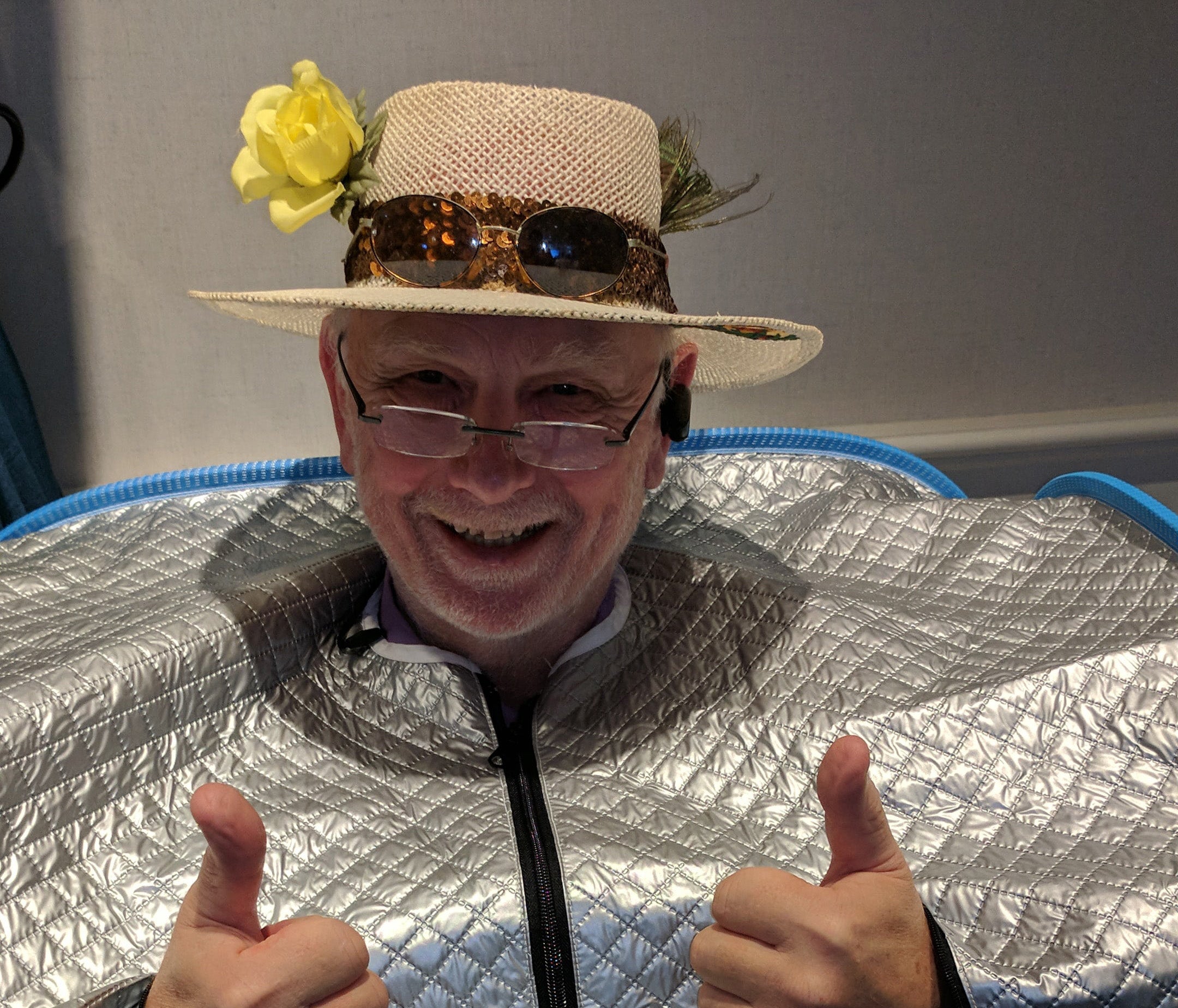
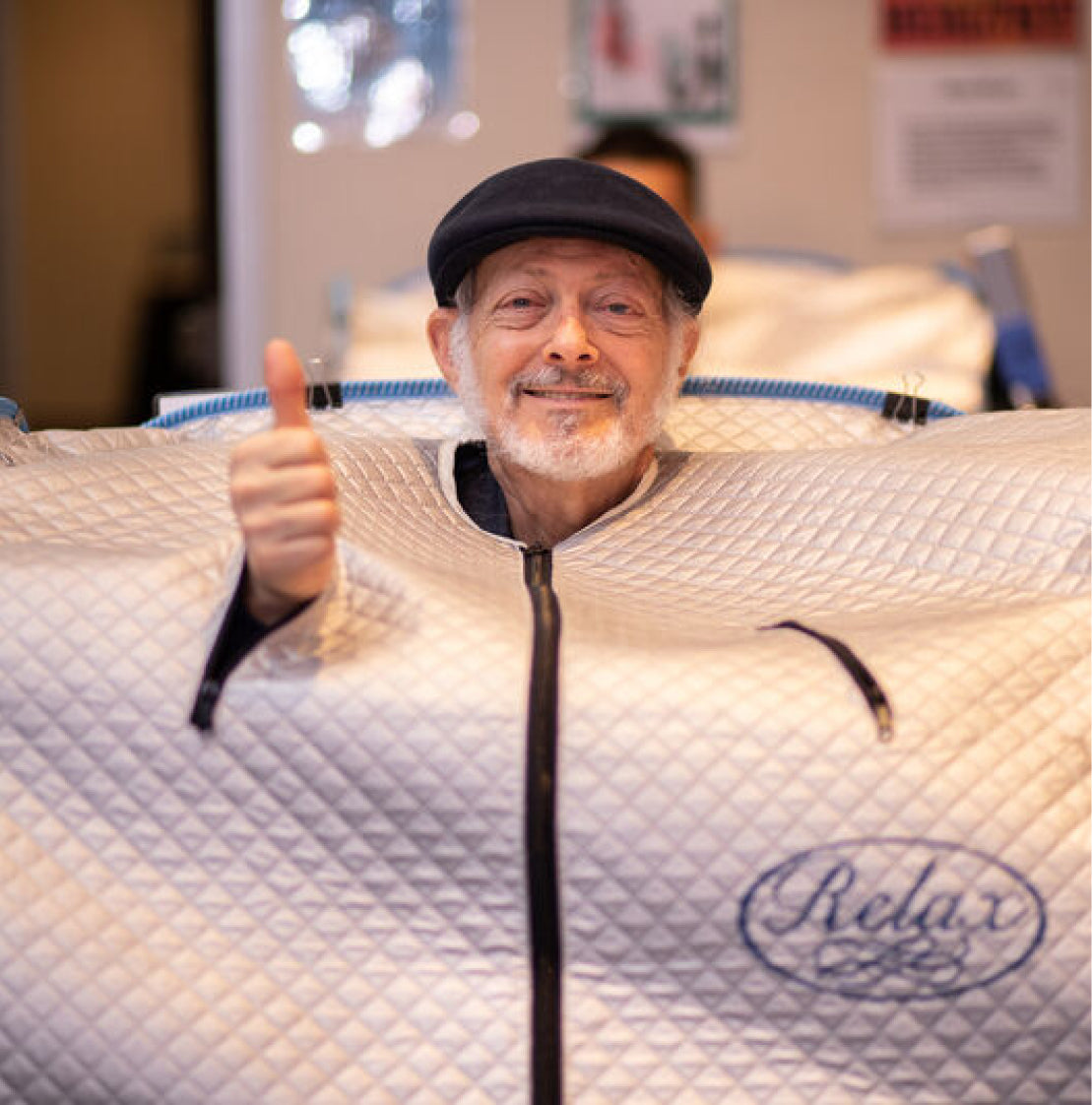
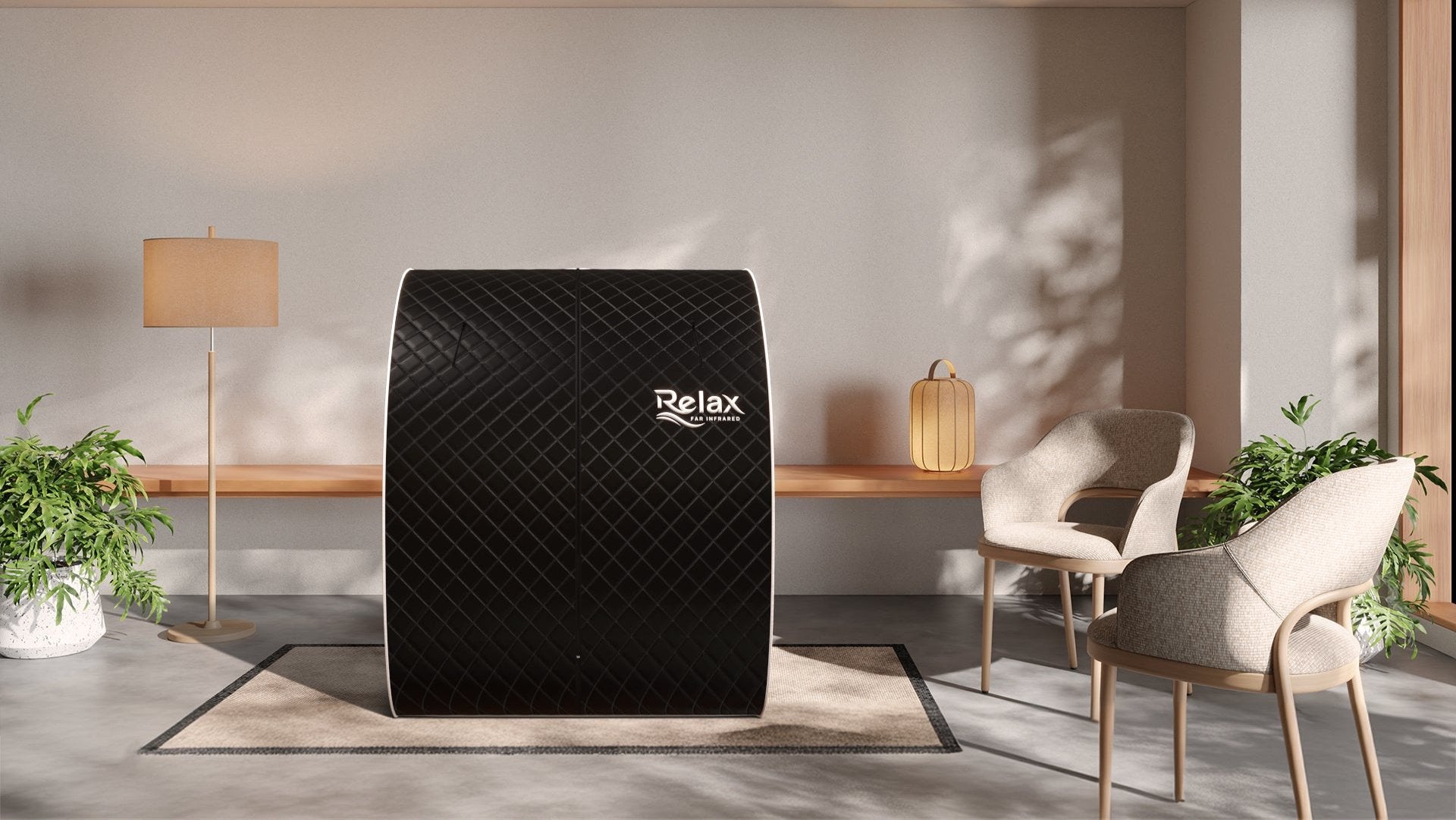
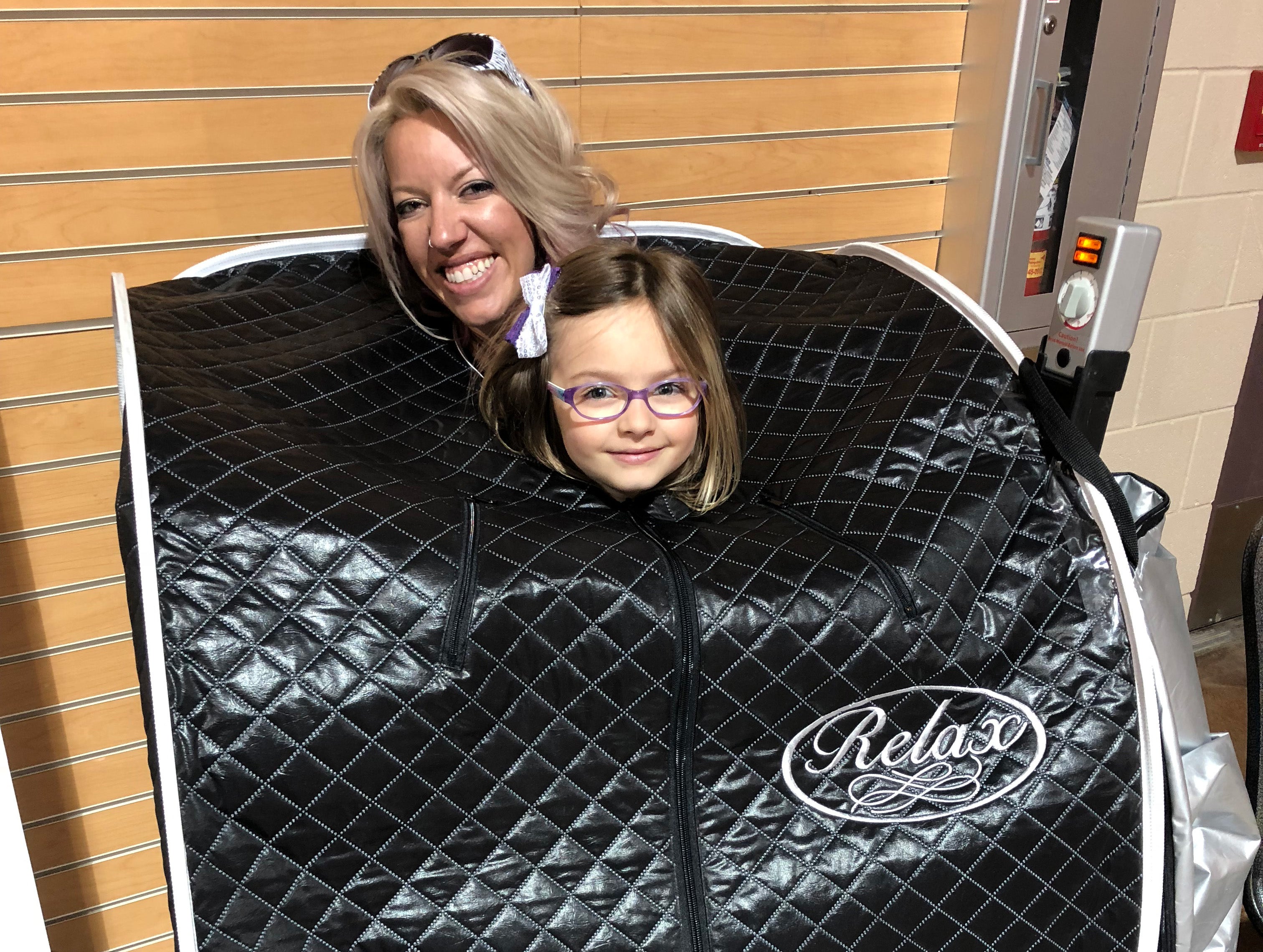
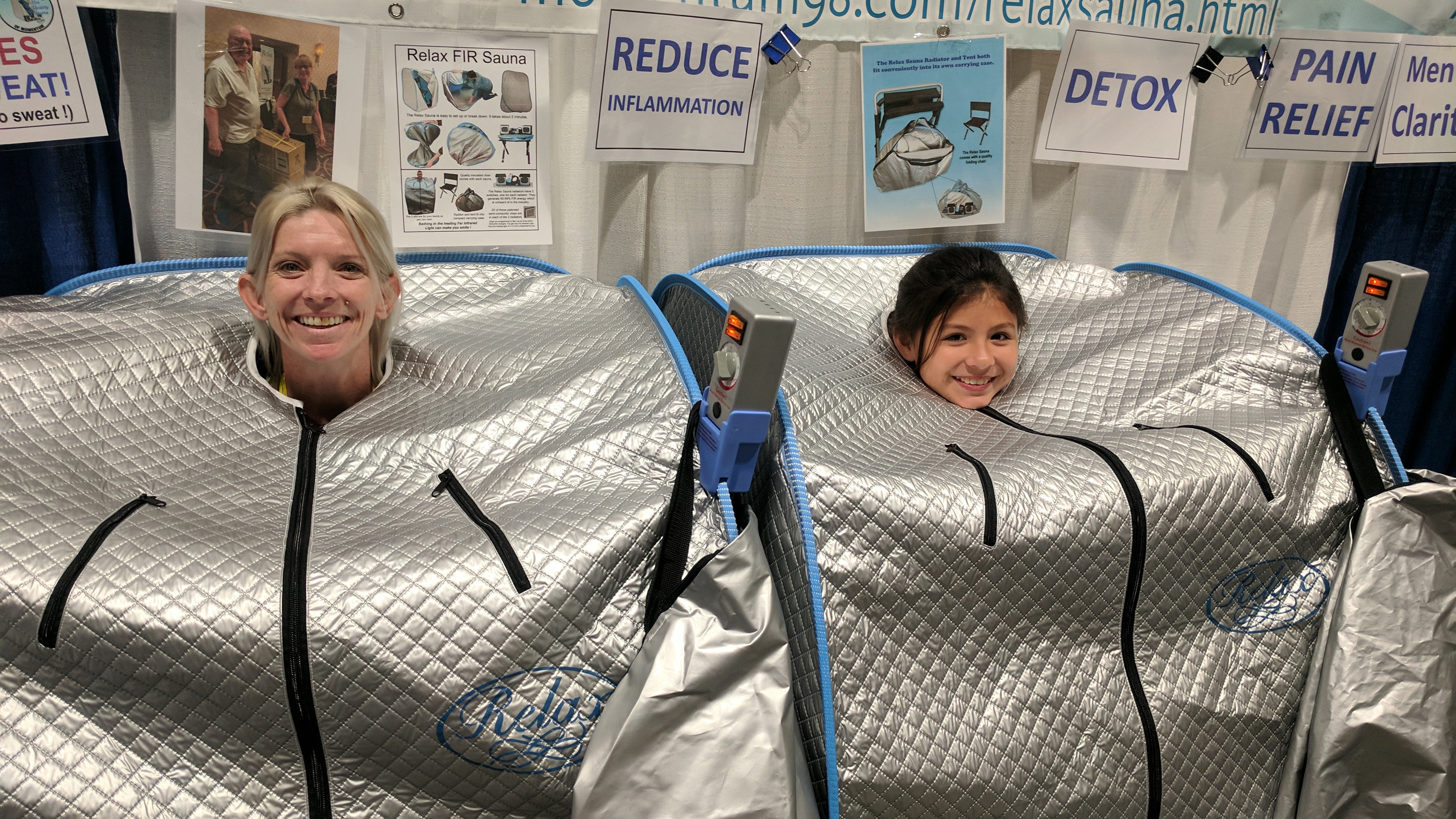
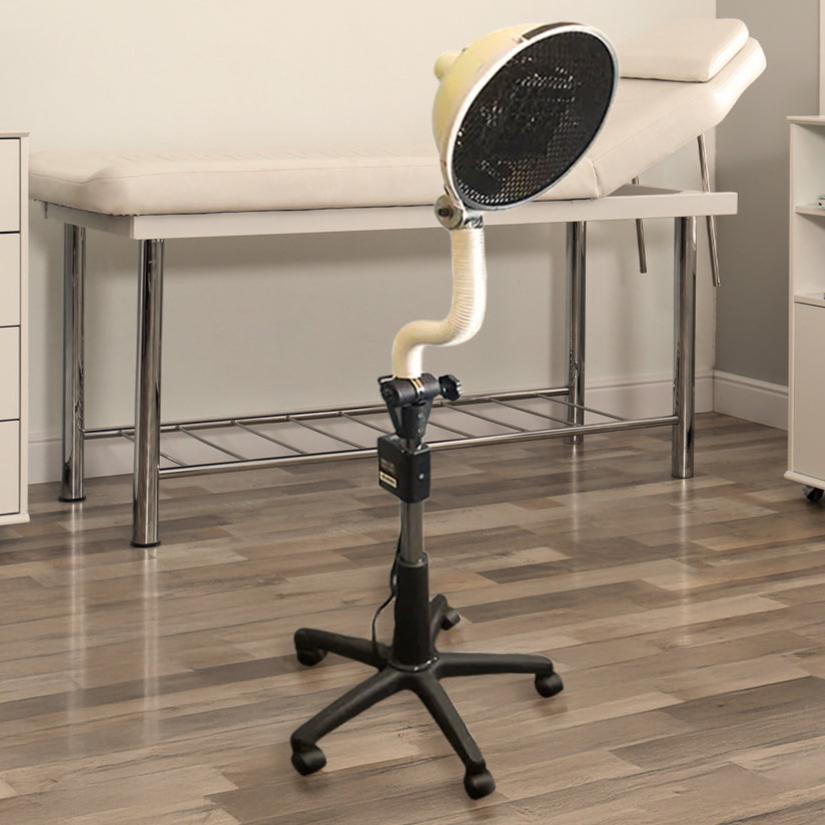
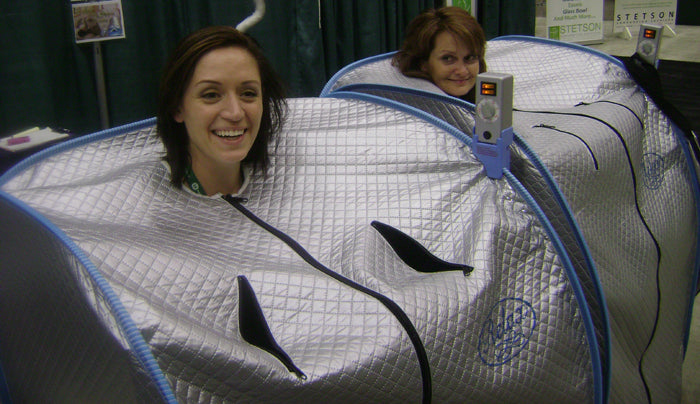
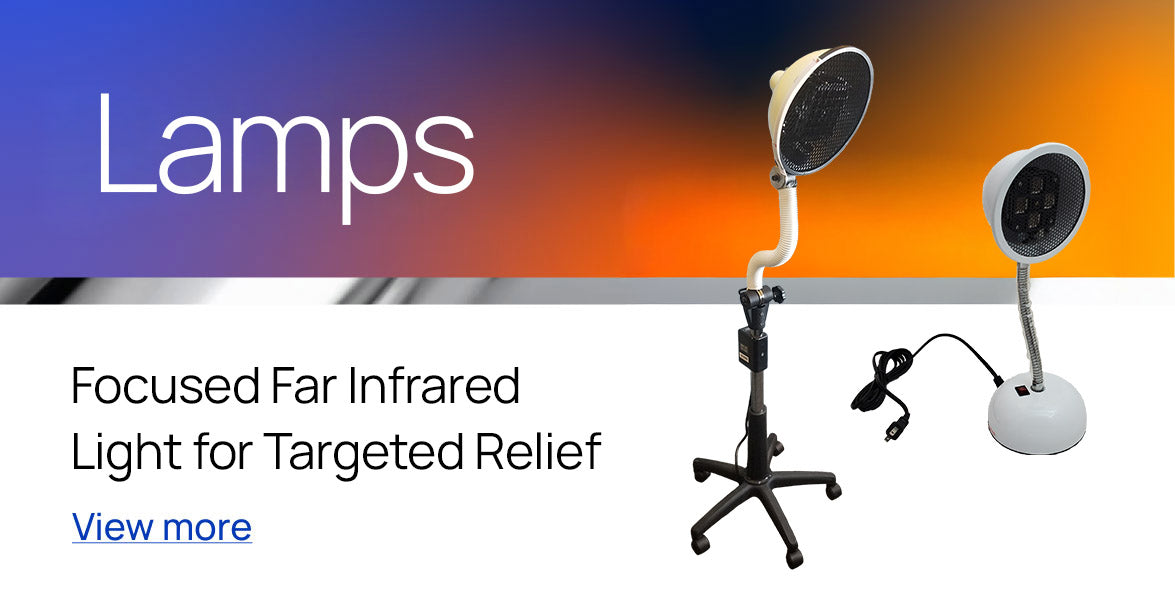
Far infrared radiation (approximately 4–14 µm) is absorbed predominantly by water in superficial tissues. Local FIR lamps and passive emitters (garments, topicals, textiles) deliver focused or prolonged exposure to an injured region. Whole-body FIR, such as the Relax Sauna (PTC semiconductor emitters, 95–99% emissivity, 9.4 µm peak, head-out design), supports systemic recovery and warms the kinetic chain before rehabilitation exercise. The strongest direct evidence comes from a local FIR lamp in the same 8–14 µm band (Chen et al. 2023).
4. Clinical Evidence
4.1 FIR lamp after eccentric muscle damage
Chen and colleagues conducted two parallel randomized, sham-controlled studies in 48 sedentary women, inducing muscle damage with maximal eccentric contractions of the elbow flexors (study 1) or knee flexors (study 2) (Chen et al. 2023). FIR lamp therapy (8–14 µm, 30 minutes) was applied at 1, 25, 49, 73, and 97 hours after exercise. Immediately after exercise, before treatment, damage markers did not differ between groups. From 24 to 120 hours, changes in maximal strength, soreness, plasma creatine kinase, and proprioception were all smaller with FIR (p<0.05). Strength returned to baseline by 72 hours with FIR, whereas sham groups remained 17–19% below baseline at 120 hours.
This is the most rigorous FIR study in the muscle-damage literature and is notable for showing effects on an objective damage marker (creatine kinase) and on proprioception, which matters for re-injury risk.
4.2 Infrared sauna and FIR textiles
After resistance and plyometric exercise, an infrared sauna session reduced soreness and attenuated loss of jump performance at 14 hours compared with passive recovery (Ahokas et al. 2023). After 100 drop jumps, FIR-emitting garments shortened the duration of soreness compared with placebo garments, without differences in performance or creatine kinase (Loturco et al. 2016).
4.3 Heat during immobilization
In 23 healthy adults whose leg was immobilized for 10 days, daily two-hour shortwave diathermy raised intramuscular temperature by 4.2 °C, increased HSP70 by 25%, limited the loss of mitochondrial respiratory capacity to 8% versus 27% with sham, and reduced the loss of muscle cross-sectional area (4.5% vs 7.6%) (Hafen et al. 2019). Diathermy heats deeper tissue than FIR, so this finding supports the principle that repeated heating protects muscle during disuse, without establishing equivalent effects for FIR.
APPRAISAL
The FIR evidence derives from exercise-induced muscle damage, a controlled model of injury, rather than from clinical strains, sprains, or contusions. Studies are small and short. The Chen trials were sham-controlled and showed objective effects, which strengthens confidence. No trial has tested FIR on return-to-play time or re-injury after a clinical sports injury.
4.4 Evidence summary
| Study | Population | Intervention | Key finding | Tier |
|---|---|---|---|---|
| Chen et al. 2023 | Sedentary women, n=24 per study (2 studies) | FIR lamp 8–14 µm, 30 min at 1, 25, 49, 73, 97 h vs sham after eccentric exercise | Smaller strength loss, soreness, CK rise and proprioceptive deficit from 24–120 h (p<0.05); strength back to baseline by 72 h vs ~17–19% deficit at 120 h with sham | Direct FIR, RCT |
| Hafen et al. 2019 | Healthy adults, n=23 | Daily 2-h shortwave diathermy during 10-day leg immobilization vs sham | HSP70 +25%; mitochondrial respiration loss 8% vs 27%; muscle CSA loss 4.5% vs 7.6% (p<0.05) | Adjacent deep heat, controlled |
| Ahokas et al. 2023 | Male athletes, n=16 | IR sauna vs passive recovery after resistance + plyometric session | Less soreness and attenuated loss of jump performance at 14 h (p<0.01) | Direct IR, crossover |
| Loturco et al. 2016 | Elite soccer players, n=21 | FIR garment vs placebo after 100 drop jumps | Soreness resolved by 72 h with FIR vs persisting with placebo | Direct FIR textile, RCT |
| Dubois & Esculier 2019 | Expert framework | PEACE & LOVE | Protect early, avoid anti-inflammatory modalities, then load, optimism, vascularisation, exercise | Consensus framework |
| Bleakley et al. 2004 | Systematic review of RCTs | Ice for acute soft-tissue injury | Little high-quality evidence that ice improves clinical outcomes | Review |
| Bagabir et al. 2025 | Human, heat-controlled 3-arm RCT | FIR vs heat vs control | FIR-specific NOS3, TXNRD1, HSP70 upregulation via NRF2 | Mechanistic |
5. Mechanistic Pathways
5.1 Vascularisation
FIR increases endothelial nitric oxide production (Park et al. 2013) and produces FIR-specific improvements in endothelial function via NRF2-regulated pathways (Bagabir et al. 2025). This aligns with the "vascularisation" principle of LOVE, which prioritizes blood flow to support repair after the acute phase (Dubois & Esculier 2019).
5.2 Heat shock proteins and muscle preservation
FIR-specific induction of HSP70 (Bagabir et al. 2025) and heat-induced HSP70 increases during immobilization (Hafen et al. 2019) point to a cytoprotective pathway that may limit secondary damage and preserve mitochondrial function in recovering or disused muscle.
5.3 Proprioception
Reduced proprioceptive deficits with FIR after muscle damage (Chen et al. 2023) are clinically relevant, because impaired joint position sense is associated with re-injury risk, particularly after ankle sprains.
5.4 Readiness for loading
Warming muscles and connective tissue before rehabilitation increases tissue extensibility and comfort, supporting the progressive loading that drives remodeling and return to play.
6. Explicit Positioning
WHAT WE DO NOT CLAIM
- FIR should not be applied to fresh injuries with active bleeding or swelling in the first days.
- FIR does not heal tears, fractures, or ligament ruptures, which require medical assessment and sometimes surgery.
- FIR is not a substitute for progressive rehabilitation, and has not been shown to shorten return-to-play time or reduce re-injury after clinical injuries.
- Evidence from exercise-induced muscle damage should not be presented as evidence for all sports injuries.
- Diathermy immobilization results should not be presented as FIR outcomes.
7. Open Question
WHAT A DEFINITIVE TRIAL WOULD NEED
Population: athletes with grade I–II hamstring strains or lateral ankle sprains confirmed by clinical examination or imaging.
Arms: standardized PEACE & LOVE rehabilitation plus FIR (local and/or whole-body from day 3) versus rehabilitation plus sham.
Primary endpoint: time to return to full training and competition.
Secondary endpoints: strength and range-of-motion recovery, proprioception, pain, muscle cross-sectional area, and re-injury rate at 12 months.
Immobilization sub-study: FIR during boot or brace immobilization measuring muscle atrophy and mitochondrial function.

8. Clinical Guidance
Do not
- Apply heat in the first 48–72 hours after an acute injury with swelling or bruising.
- Use FIR in place of assessment when there is deformity, inability to bear weight, a palpable defect, rapid swelling, numbness, or suspected fracture, dislocation, or complete rupture.
- Apply local heat over areas of impaired sensation, open wounds, or suspected infection.
- Present FIR as accelerating return to play after clinical injuries.
Consider
- Local or whole-body FIR from approximately day 3, once swelling has stabilized, alongside pain-guided loading.
- Sessions after training that causes muscle damage, mirroring the Chen protocol of daily 30-minute exposure over several days.
- FIR during periods of immobilization or reduced activity, recognizing that the muscle-preservation evidence comes from deeper heating methods.
- Warming before rehabilitation sessions to improve comfort and tissue extensibility.
9. Conclusion
Sports injury recovery now centers on early protection followed by active, progressive loading and support for circulation. Sham-controlled trials show that FIR accelerates recovery of strength, soreness, and proprioception after exercise-induced muscle damage, and heat preserves muscle during immobilization. FIR is best positioned as a subacute and rehabilitation-phase adjunct that supports vascularisation and readiness for loading, avoided in the first days after acute injury, while trials in clinical strains and sprains are undertaken.
References
- Ahokas EK, Ihalainen JK, Hanstock HG, Savolainen E, Kyröläinen H. A post-exercise infrared sauna session improves recovery of neuromuscular performance and muscle soreness after resistance exercise training. Biol Sport. 2023;40(3):681-689. doi:10.5114/biolsport.2023.119289
- Bagabir H, Mohammad OA, Lang C, et al. Far infrared therapy improves vascular function by enhancing endothelial function and decreasing arterial stiffness via cytoprotective pathways. Free Radic Biol Med. 2025;241:438-446. doi:10.1016/j.freeradbiomed.2025.09.039
- Bleakley C, McDonough S, MacAuley D. The use of ice in the treatment of acute soft-tissue injury: a systematic review of randomized controlled trials. Am J Sports Med. 2004;32(1):251-261. doi:10.1177/0363546503260757
- Chen TC, Huang YC, Chou TY, Hsu ST, Chen MY, Nosaka K. Effects of far-infrared radiation lamp therapy on recovery from muscle damage induced by eccentric exercise. Eur J Sport Sci. 2023;23(8):1638-1646. doi:10.1080/17461391.2023.2185163
- Dubois B, Esculier JF. Soft-tissue injuries simply need PEACE and LOVE. Br J Sports Med. 2020;54(2):72-73 (online 2019). doi:10.1136/bjsports-2019-101253
- Hafen PS, Abbott K, Bowden JA, Lopiano R, Hancock CR, Hyldahl RD. Daily heat treatment maintains mitochondrial function and attenuates atrophy in human skeletal muscle subjected to immobilization. J Appl Physiol. 2019;127(1):47-57. doi:10.1152/japplphysiol.01098.2018
- Loturco I, Abad CCC, Nakamura FY, et al. Effects of far infrared rays emitting clothing on recovery after an intense plyometric exercise bout applied to elite soccer players: a randomized double-blind placebo-controlled trial. Biol Sport. 2016;33(3):277-283. doi:10.5604/20831862.1208479
- Park JH, Lee S, Cho DH, Park YM, Kang DH, Jo I. Far-infrared radiation acutely increases nitric oxide production by increasing Ca²⁺ mobilization and Ca²⁺/calmodulin-dependent protein kinase II-mediated phosphorylation of endothelial nitric oxide synthase at serine 1179. Biochem Biophys Res Commun. 2013;436(4):601-606. PMID:23756809