RELAX SAUNAS · CLINICAL SCIENCE REVIEW
Far Infrared Therapy in Tendinopathy
A Mechanistic Review, with Explicit Positioning on Healing, Perfusion, and the Absence of Clinical Trials
ABSTRACT
Background. Tendinopathy is a common, often persistent condition of load-bearing tendons, including the Achilles, patellar, rotator cuff, and common extensor tendons. Chronic tendinopathy is predominantly degenerative rather than inflammatory (Khan et al. 2002). Progressive tendon loading is first-line treatment (Beyer et al. 2015), while corticosteroid injections provide short-term relief at the cost of poorer long-term outcomes in lateral elbow tendinopathy (Coombes et al. 2010).
Evidence. No clinical trial of far infrared (FIR) in human tendinopathy has been published. Supporting evidence is indirect: therapeutic heating increases tendon extensibility (Lehmann et al. 1970), deep microwave hyperthermia reduced pain in supraspinatus tendinopathy (Giombini et al. 2006), and FIR increases local perfusion and engages NRF2 cytoprotective pathways in humans (Kraaij et al. 2024; Bagabir et al. 2025).
Positioning. FIR is positioned as a comfort and loading-readiness adjunct that may reduce stiffness and make rehabilitation exercise easier. The case is mechanistic. FIR should not be represented as healing tendons or as a substitute for progressive loading.
1. Introduction
Tendinopathy describes pain and impaired function in a tendon, typically related to load. It affects athletes and sedentary people alike, with the Achilles, patellar, gluteal, rotator cuff, and lateral elbow tendons most often involved. Symptoms frequently persist for months, and recurrence is common.
The term "tendinitis" implies inflammation, but histopathology of chronic painful tendons shows collagen disorganization, increased ground substance, and neovascularization with few inflammatory cells (Khan et al. 2002). This reframing matters clinically: anti-inflammatory strategies are of limited long-term value, while progressive loading programs that stimulate tendon remodeling are the cornerstone of care (Beyer et al. 2015). Corticosteroid injection offers a large short-term benefit but worse outcomes at 26 and 52 weeks in lateral elbow tendinopathy (Coombes et al. 2010). Therapies that make loading more comfortable without these trade-offs are of interest, and this review examines whether far infrared (FIR) is one of them.

2. Pathophysiology Relevant to Thermal Therapy
- Matrix degeneration. Disorganized type III collagen, proteoglycan accumulation, and altered tenocyte morphology reduce load tolerance.
- Neovascularization and pain. Abnormal vessel and nerve ingrowth in tendinopathic tendon is associated with pain. More blood flow inside the tendon is therefore not automatically beneficial.
- Stiffness and load intolerance. Morning stiffness and pain at the start of activity are characteristic, particularly in Achilles and patellar tendinopathy.
- Mechanotransduction. Tenocytes respond to mechanical load by remodeling matrix; appropriately dosed loading is the primary stimulus for recovery.
- Reactive versus degenerative phases. Early reactive tendinopathy after a load spike can include swelling and irritability; established degenerative tendinopathy is more stable.
3. Far Infrared Biophysics and Delivery Formats
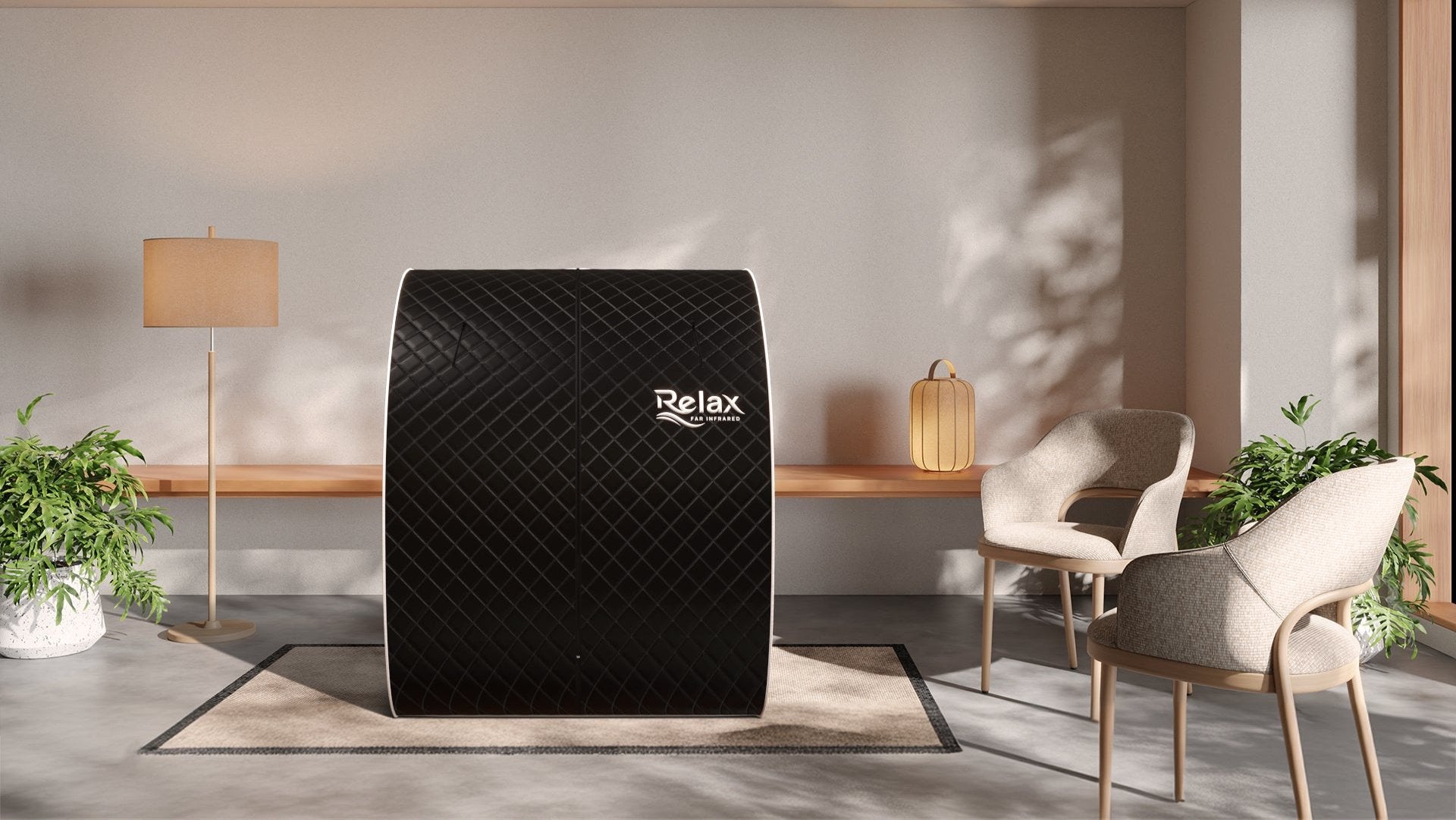
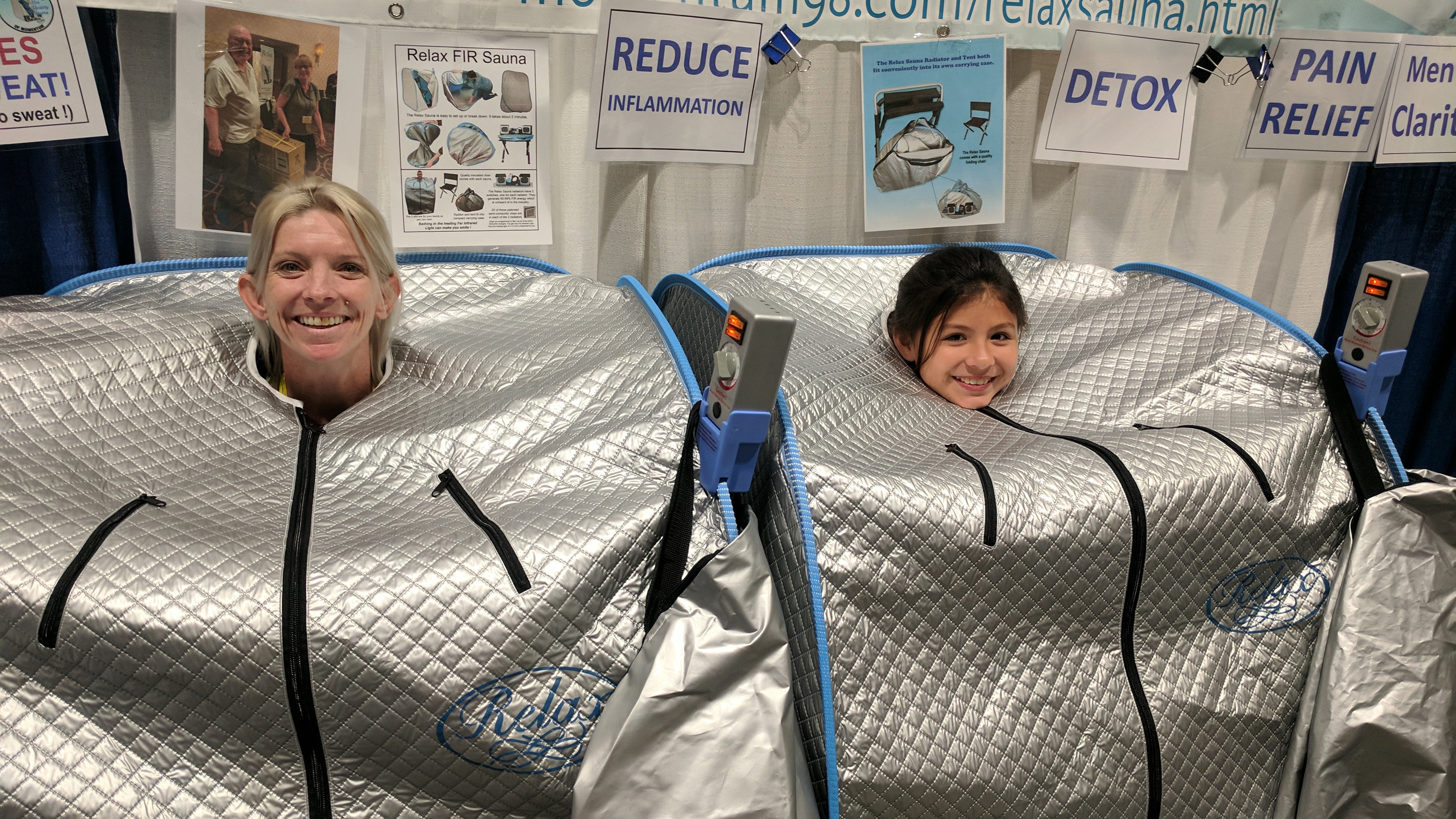
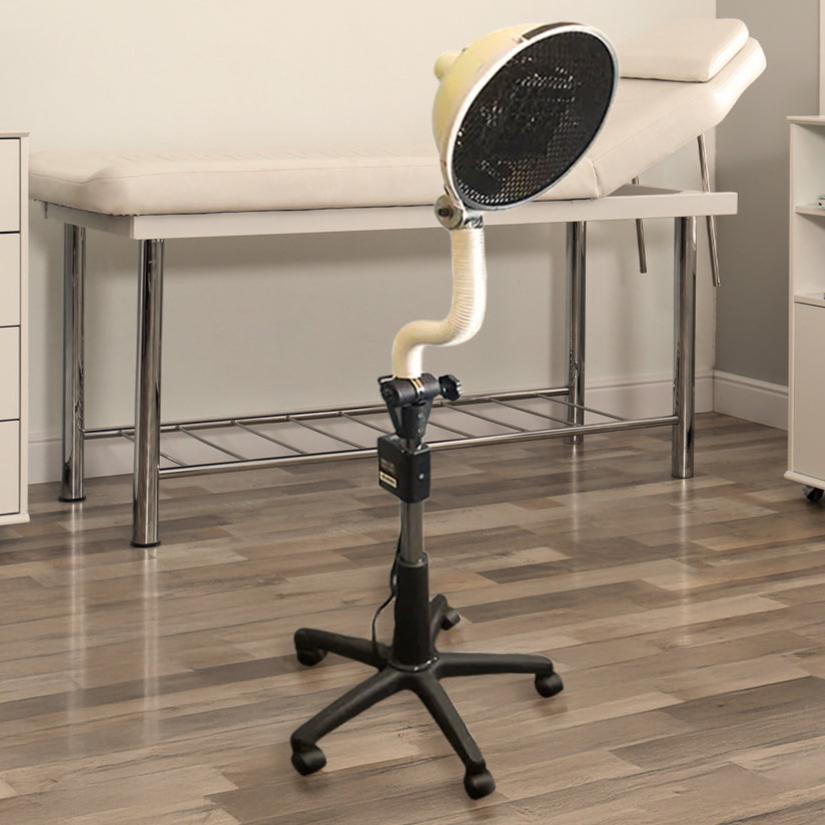
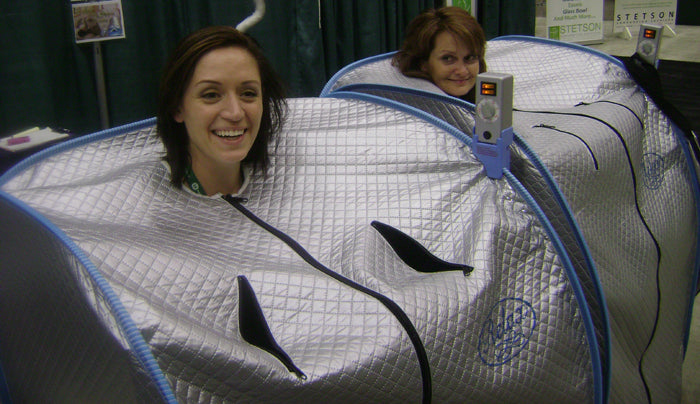
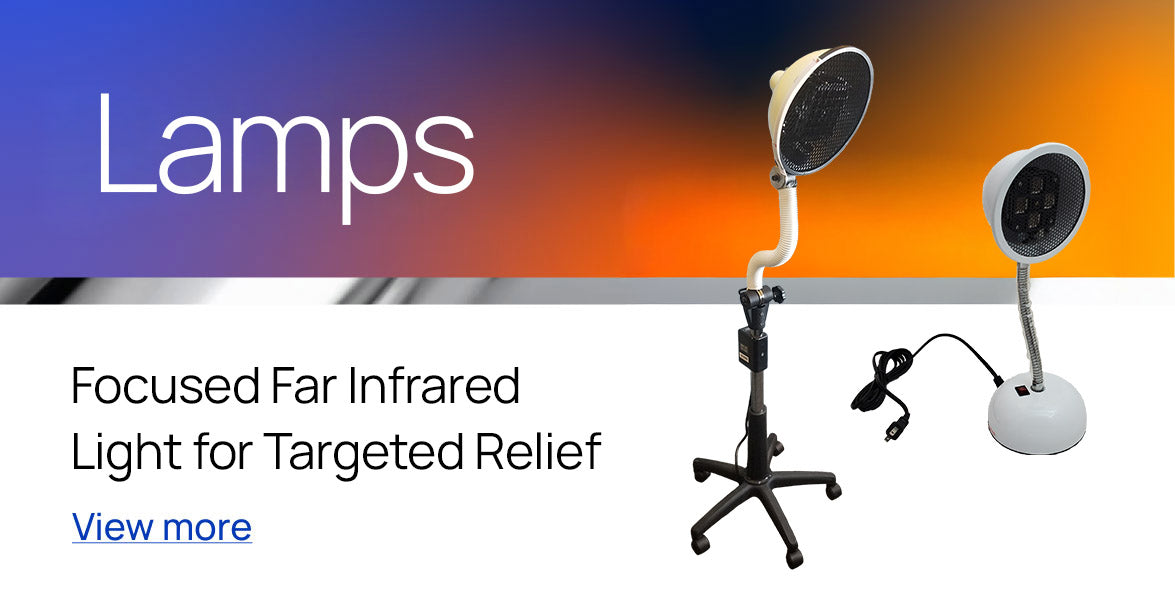
Far infrared radiation (approximately 4–14 µm) is absorbed predominantly by water within the first millimeters of tissue. Superficial tendons, including the Achilles, patellar, and common extensor tendons, lie close to the skin and are within the range of superficial warming, whereas the rotator cuff and gluteal tendons are deep. Whole-body FIR, such as the Relax Sauna (PTC semiconductor emitters, 95–99% emissivity, 9.4 µm peak, head-out design), warms the whole kinetic chain before exercise. Local passive emitters, such as mineral topicals and carbon textiles, provide prolonged low-intensity exposure over a single tendon.

4. Clinical and Mechanistic Evidence
4.1 Heat and tendon mechanics
In classic experiments, therapeutic heating increased tendon extensibility, with the greatest residual elongation when heat was combined with sustained stretch (Lehmann et al. 1970). This provides a direct rationale for warming a stiff tendon before loading.
4.2 Deep hyperthermia in supraspinatus tendinopathy
In a randomized trial of 37 athletes with supraspinatus tendinopathy, four weeks of 434 MHz microwave hyperthermia reduced pain from 5.96 to 1.2 (p=0.03), whereas therapeutic ultrasound and a basic exercise program produced no significant change (Giombini et al. 2006). The exercise arm consisted of pendular swinging and stretching rather than progressive loading. Microwave hyperthermia heats deeper tissue than FIR, so this result supports the plausibility of thermal therapy without transferring directly to FIR.
4.3 FIR and local perfusion
In a phase 1 randomized trial in 20 healthy adults, an FIR-emitting patch increased local skin perfusion and microcirculation measured by multiple imaging modalities (Kraaij et al. 2024). FIR also increases endothelial nitric oxide production (Park et al. 2013), and a heat-controlled randomized trial showed FIR-specific upregulation of NOS3, TXNRD1, and HSP70 via NRF2 (Bagabir et al. 2025). These effects are relevant to the surrounding muscle-tendon unit and paratenon; whether they benefit tendon matrix itself is unknown.
MECHANISTIC ONLY
No published clinical trial has tested FIR in human tendinopathy. Every link in the case for FIR rests on adjacent modalities (microwave hyperthermia), adjacent tissues (skin perfusion), or general mechanisms (tendon extensibility, NRF2 signaling). This is a hypothesis-generating position, presented as such.
4.4 Evidence summary
| Study | Population / model | Intervention | Key finding | Tier |
|---|---|---|---|---|
| Khan et al. 2002 | Histopathology review | — | Chronic painful tendons show degenerative tendinosis with minimal inflammatory cells; "tendinitis" is usually a misnomer | Foundational |
| Beyer et al. 2015 | Achilles tendinopathy, n=58 | Heavy slow resistance vs eccentric training, 12 wk | Both improved pain and function; heavy slow resistance had higher satisfaction and adherence | First-line care, RCT |
| Coombes et al. 2010 | Systematic review of injection RCTs | Corticosteroid vs comparators | Lateral elbow: large short-term benefit, worse outcomes at 26 and 52 weeks | Comparator (injections) |
| Giombini et al. 2006 | Athletes with supraspinatus tendinopathy, n=37 | 434 MHz hyperthermia vs ultrasound vs exercise, 4 wk | Pain 5.96→1.2 with hyperthermia (p=0.03); no significant change with ultrasound or exercise alone | Adjacent deep heat, RCT |
| Lehmann et al. 1970 | Tendon tissue | Therapeutic heating with load | Heating increased tendon extensibility, especially combined with stretch | Mechanistic (tendon) |
| Kraaij et al. 2024 | Healthy adults, n=20 | FIR-emitting patch, phase 1 RCT | Increased local skin perfusion and microcirculation on multimodal imaging | Direct FIR, mechanistic (perfusion) |
| Bagabir et al. 2025 | Human, heat-controlled 3-arm RCT | FIR vs heat vs control | FIR-specific NOS3, TXNRD1, HSP70 upregulation via NRF2 | Mechanistic |
| FIR in tendinopathy | — | — | No clinical trial of FIR in human tendinopathy has been published | Not studied |
5. Mechanistic Pathways
5.1 Loading readiness
The most defensible role for FIR is preparatory. Warming a stiff tendon increases extensibility (Lehmann et al. 1970) and may reduce start-up pain, allowing patients to complete prescribed loading with better comfort. Higher patient satisfaction with heavy slow resistance training was associated with better adherence (Beyer et al. 2015), and adherence drives outcomes in tendon rehabilitation.
5.2 Muscle-tendon unit perfusion
FIR increases perfusion and nitric oxide signaling in superficial tissue (Kraaij et al. 2024; Park et al. 2013). Improved circulation in the muscle and paratenon may support recovery between loading sessions. Because neovascularization within tendinopathic tendon is associated with pain, claims that FIR "brings blood to the tendon to heal it" are not supported.
5.3 Cytoprotective signaling
FIR-specific induction of HSP70 and NRF2-regulated antioxidant enzymes (Bagabir et al. 2025) suggests a cellular stress-resilience pathway. These effects were measured in vascular tissue, and have not been studied in tenocytes.
6. Explicit Positioning
WHAT WE DO NOT CLAIM
- FIR does not heal tendons or reverse tendon degeneration. No human trial has tested FIR in tendinopathy.
- FIR is not a substitute for progressive loading, which is the evidence-based foundation of tendinopathy care.
- FIR does not repair partial or complete tendon tears, which require medical and sometimes surgical management.
- Microwave hyperthermia results should not be presented as FIR outcomes, and skin perfusion data should not be presented as tendon healing data.
- Increasing blood flow inside a tendinopathic tendon is not established as beneficial.
7. Open Question
WHAT A DEFINITIVE TRIAL WOULD NEED
Population: adults with mid-portion Achilles or patellar tendinopathy for at least three months, confirmed by ultrasound.
Arms: standardized heavy slow resistance program plus FIR (local and/or whole-body before sessions) versus the same program plus sham.
Primary endpoint: VISA-A or VISA-P score at 12 weeks.
Secondary endpoints: start-up pain, morning stiffness, exercise adherence, tendon structure and neovascularization on ultrasound with Doppler, and return to sport at 6 and 12 months.
Dose characterization: wavelength, irradiance, and skin and tendon-region temperature recorded.

8. Clinical Guidance
Do not
- Use FIR in place of progressive loading or as a reason to rest a tendinopathic tendon completely.
- Apply heat to an acutely swollen, hot tendon after a sudden load spike or injury; relative rest and cold are preferred in the first days.
- Delay assessment when there is a sudden pop, a palpable gap, inability to bear weight or rise onto the toes, or marked weakness, which may indicate rupture.
- Overlook fluoroquinolone antibiotic use, systemic inflammatory disease, or metabolic conditions as contributors to tendon symptoms.
Consider
- A 15–20 minute whole-body FIR session, or local passive FIR, before loading sessions to reduce stiffness and start-up pain.
- Passive local FIR over superficial tendons (Achilles, patellar, lateral elbow) on mornings or rest days when stiffness is prominent.
- Framing FIR to patients as a comfort tool that supports their exercise program.
- Tracking validated scores (VISA-A, VISA-P, PRTEE) and loading tolerance over 8–12 weeks.
9. Conclusion
Tendinopathy is best treated with progressive loading, and injection-based shortcuts carry long-term trade-offs. There are no clinical trials of FIR in human tendinopathy. Heating increases tendon extensibility, deep hyperthermia reduced pain in one tendinopathy trial, and FIR engages perfusion and cytoprotective pathways in humans. On this mechanistic basis, FIR is reasonably positioned as a low-risk adjunct that eases stiffness and supports adherence to loading, with the explicit understanding that its effect on tendon healing is unknown and that a controlled trial is needed.
References
-
Bagabir H, Mohammad OA, Lang C, et al. Far infrared therapy improves vascular function by enhancing endothelial function and decreasing arterial stiffness via cytoprotective pathways. Free Radic Biol Med. 2025;241:438-446. doi:10.1016/j.freeradbiomed.2025.09.039
-
Beyer R, Kongsgaard M, Hougs Kjær B, et al. Heavy slow resistance versus eccentric training as treatment for Achilles tendinopathy: a randomized controlled trial. Am J Sports Med. 2015;43(7):1704-1711. doi:10.1177/0363546515584760
-
Coombes BK, Bisset L, Vicenzino B. Efficacy and safety of corticosteroid injections and other injections for management of tendinopathy: a systematic review of randomised controlled trials. Lancet. 2010;376(9754):1751-1767. doi:10.1016/S0140-6736(10)61160-9
-
Giombini A, Di Cesare A, Safran MR, Ciatti R, Maffulli N. Short-term effectiveness of hyperthermia for supraspinatus tendinopathy in athletes: a short-term randomized controlled study. Am J Sports Med. 2006;34(8):1247-1253. doi:10.1177/0363546506287827
-
Khan KM, Cook JL, Kannus P, Maffulli N, Bonar SF. Time to abandon the "tendinitis" myth. BMJ. 2002;324(7338):626-627. doi:10.1136/bmj.324.7338.626
-
Kraaij et al. A phase 1 randomized, open-label clinical trial to evaluate the effect of a far-infrared emitting patch on local skin perfusion, microcirculation and oxygenation. Exp Dermatol. 2024. doi:10.1111/exd.14962
-
Park JH, Lee S, Cho DH, Park YM, Kang DH, Jo I. Far-infrared radiation acutely increases nitric oxide production by increasing Ca²⁺ mobilization and Ca²⁺/calmodulin-dependent protein kinase II-mediated phosphorylation of endothelial nitric oxide synthase at serine 1179. Biochem Biophys Res Commun. 2013;436(4):601-606. PMID:23756809