RELAX SAUNAS · CLINICAL SCIENCE REVIEW
Far Infrared Therapy and Joint Stiffness
A Mechanistic and Clinical Review, with Explicit Positioning on Duration of Effect and Underlying Disease
ABSTRACT
Background. Joint stiffness, a sense of resistance or difficulty initiating movement, is a cardinal symptom of osteoarthritis, inflammatory arthritis, and aging, and is typically worst after inactivity and in the morning. It arises from the mechanical properties of periarticular tissues and synovial fluid, from inflammation, and from perception; measured mechanical stiffness and reported stiffness do not always agree (Helliwell et al. 1988).
Evidence. Heating increases collagen extensibility (Lehmann et al. 1970), lowers the viscosity of synovial-like fluids (Rothammer et al. 2021), and raises intra-articular temperature (Oosterveld & Rasker 1994). Infrared sauna halved reported stiffness immediately after sessions in rheumatoid arthritis and ankylosing spondylitis (Oosterveld et al. 2009), an FIR plaster improved lumbar flexion versus placebo (Ricci et al. 2022), and heat wraps reduced stiffness more than oral analgesics (Nadler et al. 2002).
Positioning. FIR is positioned as an effective short-term measure for relieving stiffness and enabling movement, timed before activity. Effects are largely acute; sustained change depends on regular movement and treatment of the underlying condition.
1. Introduction
Stiffness is among the most common musculoskeletal complaints, particularly in older adults. Patients describe difficulty getting moving in the morning or after sitting, a feeling of tightness, or reduced range of motion. Its duration carries diagnostic weight: morning stiffness lasting more than an hour is characteristic of inflammatory arthritis, whereas stiffness in osteoarthritis typically resolves within 30 minutes of movement.
Heat has been used for stiffness for as long as there have been warm baths, and the American College of Rheumatology conditionally recommends thermal interventions in osteoarthritis (Kolasinski et al. 2020). A common belief also links stiffness and joint pain to weather, but an analysis of more than 11 million Medicare visits found no clinically meaningful relationship between rainfall and joint or back pain visits (Jena et al. 2017). This review examines the physiology of stiffness and the evidence for far infrared (FIR) in relieving it.

2. The Physiology of Stiffness
2.1 Periarticular tissues
Joint capsule, ligament, tendon, and muscle contribute most of the passive resistance to joint motion. Collagen extensibility is temperature dependent, increasing with therapeutic heating and especially when heating is combined with sustained stretch (Lehmann et al. 1970).
2.2 Synovial fluid
Synovial fluid lubricates articular surfaces and behaves as a shear-thinning, temperature-sensitive fluid. In a rheological study of artificial synovial fluid, viscosity decreased as temperature rose following an Arrhenius relationship (Rothammer et al. 2021). Superficial heat raises intra-articular temperature by approximately 1.7 °C in arthritic knees (Oosterveld & Rasker 1994), providing a plausible pathway from skin warming to reduced joint resistance, though native synovial fluid rheology in vivo has not been measured after FIR.
2.3 Inflammation and circadian rhythm
Overnight immobility allows fluid accumulation in and around joints, and inflammatory cytokines such as IL-6 follow a circadian pattern that peaks in the early morning in inflammatory arthritis. Both contribute to the morning predominance of stiffness.
2.4 Perception
In 135 patients with rheumatoid arthritis, objective arthrograph measurements of metacarpophalangeal stiffness did not track patients’ reported stiffness, and measured stiffness was actually lower in active disease than in healthy controls (Helliwell et al. 1988). Stiffness is therefore partly a sensory experience, which helps explain why warmth can relieve it quickly even when underlying tissue properties change modestly.
3. Far Infrared Biophysics and Delivery Formats
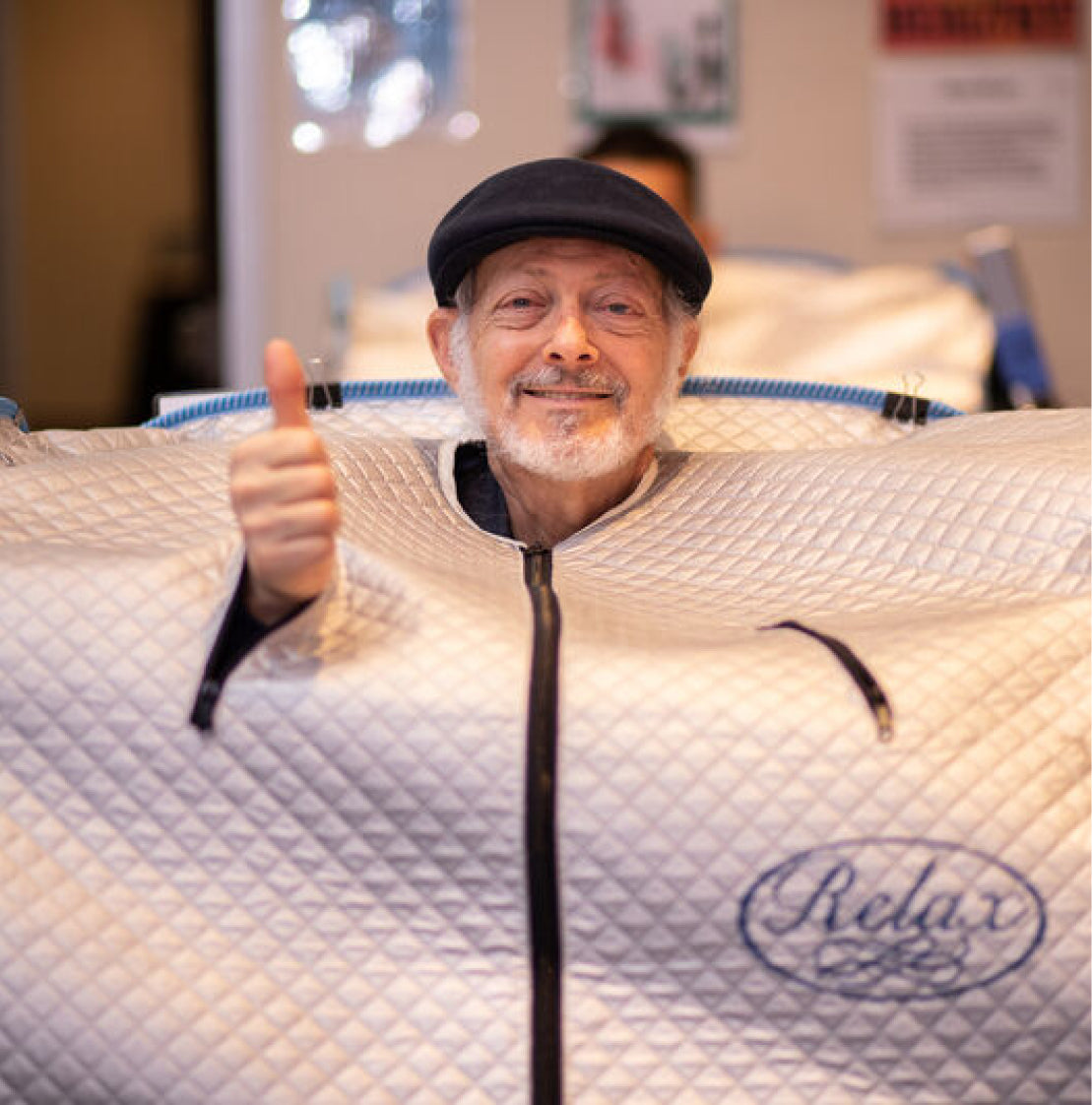
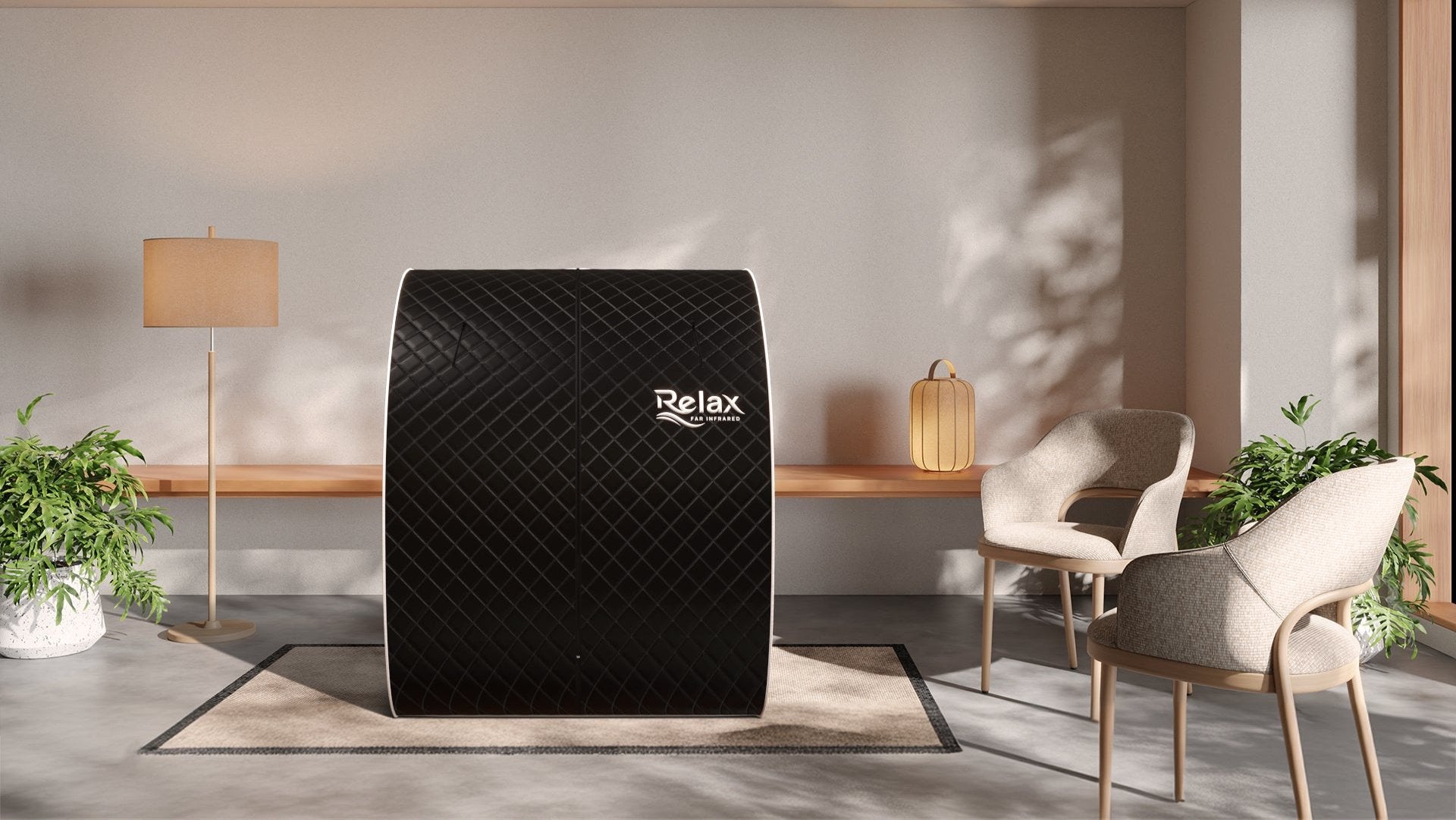
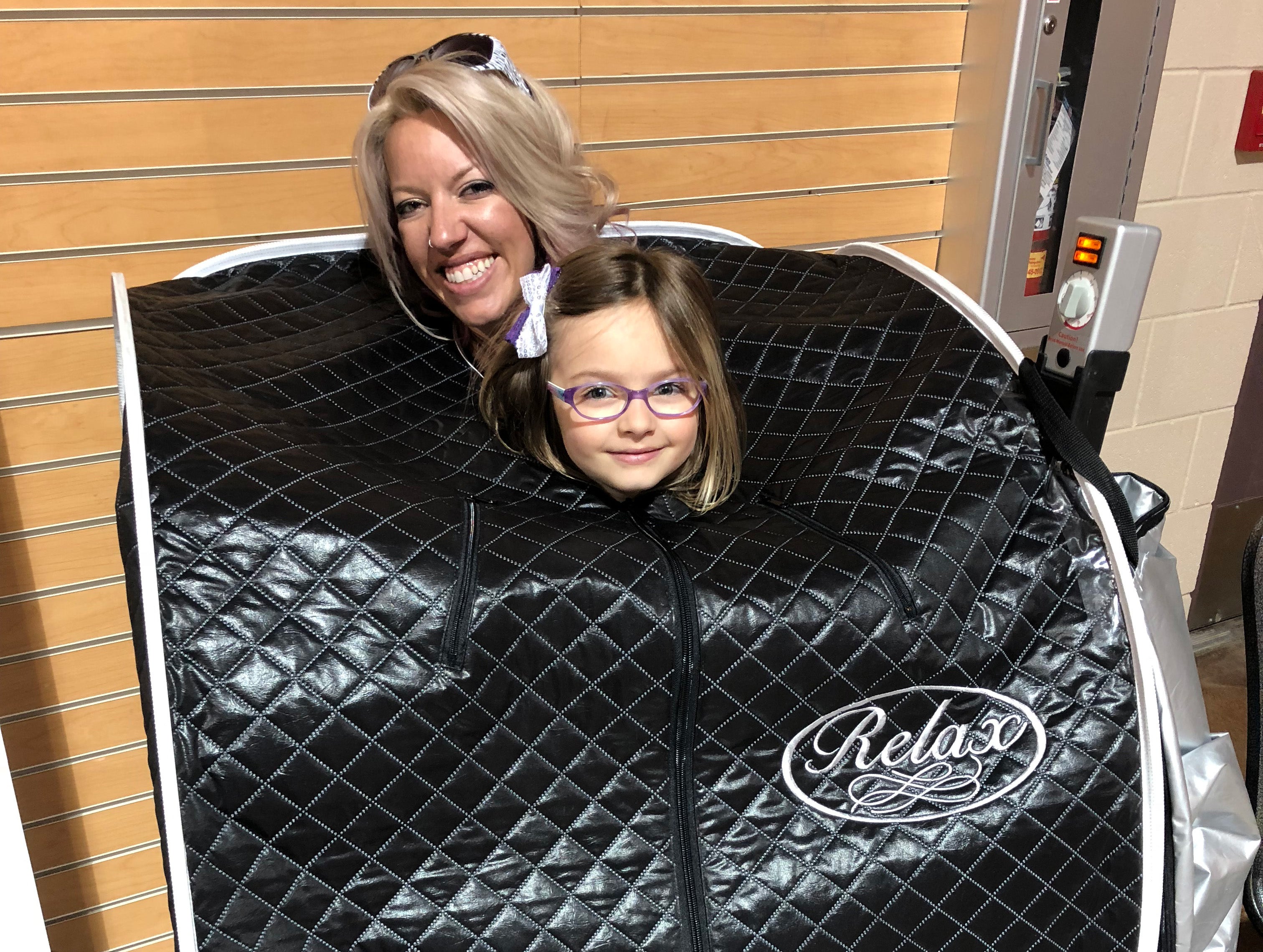
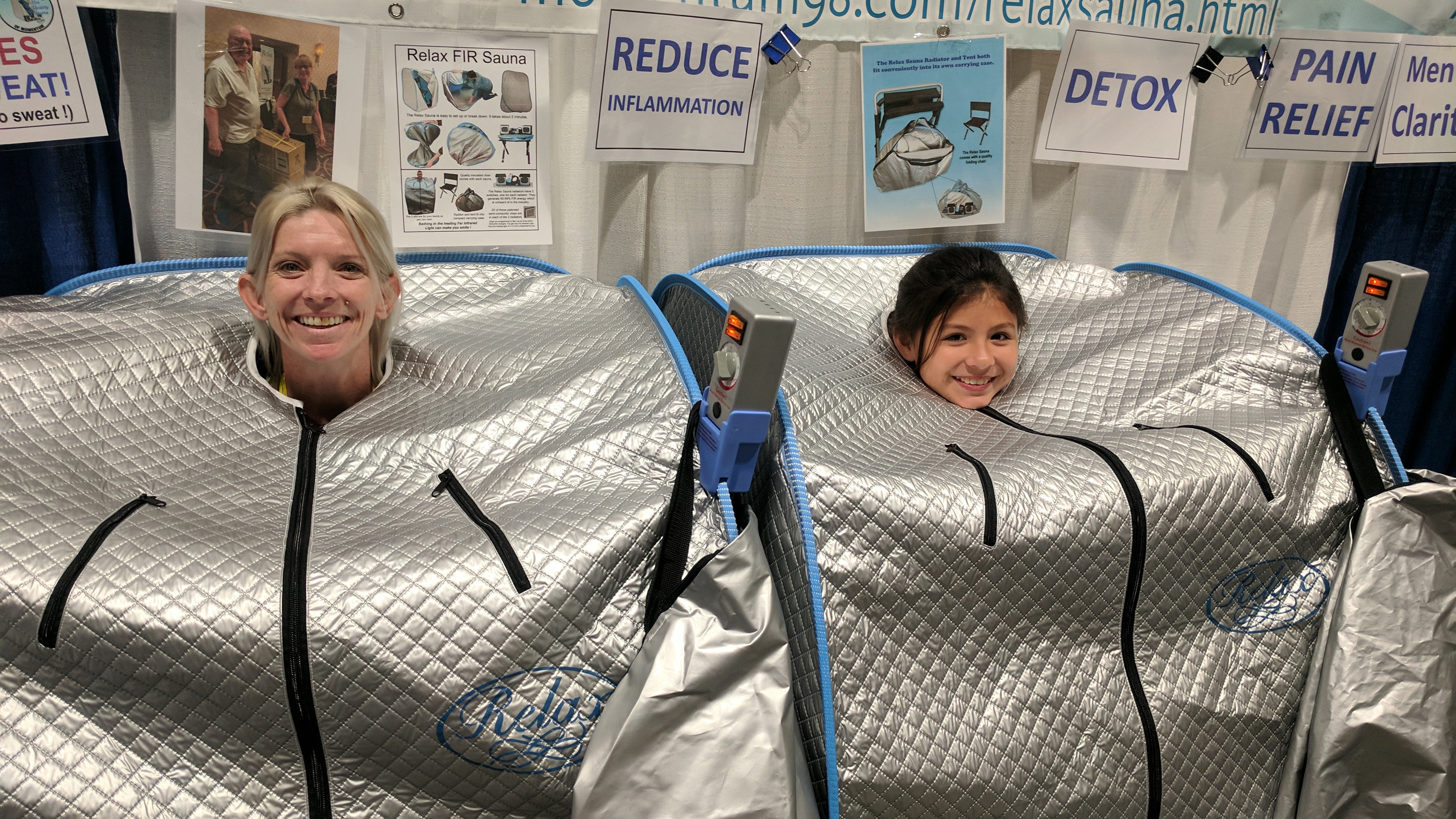
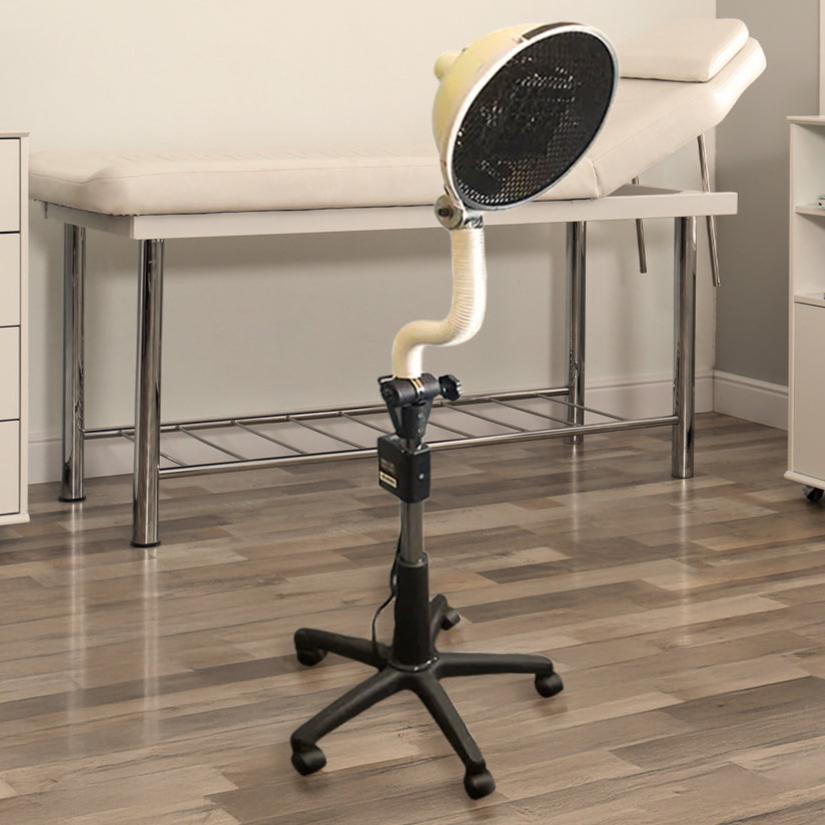
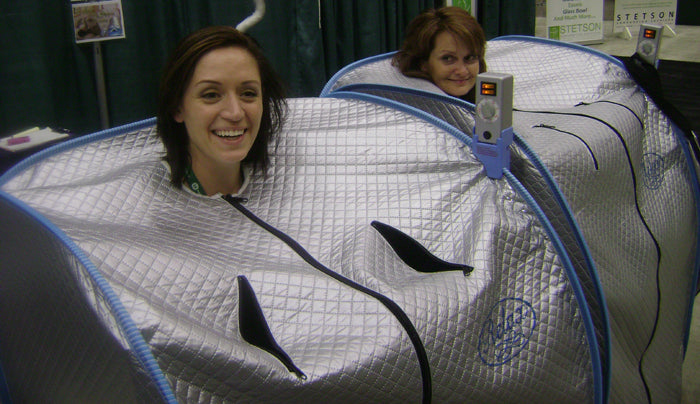
Far infrared radiation (approximately 4–14 µm) is absorbed predominantly by water in superficial tissues. Superficial joints, including the hands, wrists, elbows, knees, and ankles, lie close to the skin and receive meaningful warming. Whole-body FIR, such as the Relax Sauna (PTC semiconductor emitters, 95–99% emissivity, 9.4 µm peak, head-out design), warms all joints simultaneously, which suits widespread or multi-joint stiffness. Local passive emitters, such as mineral topicals and carbon textiles, provide prolonged exposure at specific joints and during sleep.
4. Clinical Evidence
4.1 Infrared sauna in inflammatory arthritis
In a pilot study of 17 patients with rheumatoid arthritis and 17 with ankylosing spondylitis, infrared sauna sessions at 55 °C for 30 minutes reduced reported stiffness immediately after sessions from 25 to 12 mm in RA (p<0.05) and from 40 to 16 mm in AS (p<0.001) on a 100-mm scale (Oosterveld et al. 2009). Changes across four weeks of twice-weekly sessions were not statistically significant (RA 27 to 17 mm, p=0.06). No flares or adverse effects occurred.
4.2 FIR plaster and spinal flexibility
In a three-arm randomized trial of 54 patients with chronic low back pain, a non-medicated FIR mineral plaster with 1% titanium dioxide improved lumbar flexion versus placebo over 14 days (p<0.001) (Ricci et al. 2022).
4.3 Conventional heat
In acute low back pain, a continuous low-level heat wrap produced greater reductions in muscle stiffness and larger gains in lateral trunk flexibility than ibuprofen or acetaminophen (Nadler et al. 2002). In rheumatoid hands, paraffin wax combined with exercise reduced stiffness and improved range of motion (Robinson et al. 2002).
APPRAISAL
Evidence for acute stiffness relief with heat and infrared is consistent across modalities and conditions. Evidence for sustained reductions in stiffness is weak: four-week changes in the infrared sauna pilot were not significant, and most trials are small, short, and unblinded. Stiffness outcomes are self-reported and susceptible to expectation effects.
4.4 Evidence summary
| Study | Population / model | Intervention | Key finding | Tier |
|---|---|---|---|---|
| Oosterveld et al. 2009 | RA n=17, AS n=17 | IR sauna 55 °C × 30 min, 2×/wk × 4 wk | Stiffness immediately after sessions: RA 25→12 mm (p<0.05), AS 40→16 mm (p<0.001); 4-wk changes not significant | Direct IR, uncontrolled pilot |
| Ricci et al. 2022 | Chronic LBP, n=54 | FIR mineral plaster vs placebo, 14 days | Higher-strength plaster improved lumbar flexion vs placebo (p<0.001) | Direct FIR, RCT |
| Nadler et al. 2002 | Acute LBP, n=371 | Heat wrap vs ibuprofen vs acetaminophen | Greater reduction in muscle stiffness and gain in trunk flexibility with heat | Adjacent heat, RCT |
| Robinson et al. 2002 | Cochrane; RA, 7 RCTs | Thermotherapy incl. paraffin wax | Paraffin wax with exercise reduced hand stiffness and improved ROM | Review (adjacent heat) |
| Lehmann et al. 1970 | Tendon tissue | Therapeutic heating with load | Heating increased collagen extensibility, especially with stretch | Mechanistic |
| Rothammer et al. 2021 | Artificial synovial fluid | Rheology across temperatures | Viscosity decreased as temperature rose (Arrhenius relationship) | Mechanistic (model fluid) |
| Oosterveld & Rasker 1994 | Knee arthritis, n=39 | Superficial heat vs cold | Superficial heat raised intra-articular temperature by 1.7 °C | Physiology |
| Helliwell et al. 1988 | RA, n=135 | Arthrograph measurement of MCP stiffness | Measured mechanical stiffness did not track reported stiffness; stiffness is partly perceptual | Measurement |
5. Mechanistic Pathways
5.1 Tissue extensibility
Warming increases collagen extensibility (Lehmann et al. 1970), lowering the passive resistance of capsule, ligament, and muscle. The effect is greatest and most durable when warming is followed by movement or stretch.
5.2 Lubrication
Raising intra-articular temperature (Oosterveld & Rasker 1994) is expected to lower synovial fluid viscosity (Rothammer et al. 2021), potentially easing joint motion at the start of activity.
5.3 Perfusion and vascular signaling
FIR increases endothelial nitric oxide production (Park et al. 2013) and produces FIR-specific improvements in endothelial function via NRF2-regulated pathways (Bagabir et al. 2025). Improved perfusion of periarticular tissues may help clear overnight fluid accumulation, though this has not been measured directly.
5.4 Sensory modulation
Because stiffness is partly perceptual (Helliwell et al. 1988), activation of cutaneous thermoreceptors and muscle relaxation likely contribute to the rapid subjective relief that follows warming.
6. Explicit Positioning
WHAT WE DO NOT CLAIM
- FIR does not treat the underlying cause of stiffness, whether osteoarthritis, inflammatory arthritis, or another condition.
- The best-supported benefit is short-term relief; lasting reductions in stiffness have not been demonstrated.
- FIR is not a substitute for regular movement, exercise, or prescribed treatment.
- Synovial viscosity findings come from artificial fluid and have not been measured in human joints after FIR.
- Prolonged morning stiffness can signal inflammatory disease and requires medical evaluation, not heat alone.
7. Open Question
WHAT A DEFINITIVE TRIAL WOULD NEED
Population: adults with morning stiffness from knee or hand osteoarthritis, with a separate inflammatory arthritis cohort on stable treatment.
Arms: morning whole-body FIR, overnight passive FIR textile, and sham, each combined with a standard home mobility routine.
Primary endpoints: duration and severity of morning stiffness recorded in daily diaries over 8 weeks.
Objective endpoints: arthrograph or isokinetic measures of joint stiffness, range of motion, timed functional tests, and ultrasound effusion.
Durability: follow-up four weeks after stopping to distinguish acute from lasting effects.

8. Clinical Guidance
Do not
- Attribute morning stiffness lasting more than an hour, or stiffness with joint swelling, to aging without evaluation for inflammatory arthritis.
- Apply local heat to a hot, red, acutely swollen joint, which may indicate a flare, gout, or infection.
- Present FIR as disease-modifying or as a replacement for exercise.
- Recommend unsupervised whole-body sessions for patients with unstable cardiovascular disease or significant orthostatic symptoms.
Consider
- A 15–20 minute whole-body FIR session in the morning or before activity, followed promptly by mobility exercises or a walk to capitalize on warmed tissue.
- Passive local FIR on stiff hands, knees, or other superficial joints during the day or overnight.
- Pairing warmth with stretching, consistent with the greater extensibility gains seen when heating is combined with stretch.
- Tracking morning stiffness duration over four weeks as a simple, meaningful outcome.
9. Conclusion
Joint stiffness reflects tissue mechanics, synovial lubrication, inflammation, and perception, and each is responsive to warmth. Infrared sauna, FIR plaster, and conventional heat all reduce stiffness or improve flexibility in the short term, with good tolerability. Lasting change depends on regular movement and management of the underlying condition. FIR is best positioned as a practical, well-tolerated way to ease stiffness at the times it matters most, particularly before morning activity and exercise.
References
-
Bagabir H, Mohammad OA, Lang C, et al. Far infrared therapy improves vascular function by enhancing endothelial function and decreasing arterial stiffness via cytoprotective pathways. Free Radic Biol Med. 2025;241:438-446. doi:10.1016/j.freeradbiomed.2025.09.039
-
Helliwell PS, Howe A, Wright V. Lack of objective evidence of stiffness in rheumatoid arthritis. Ann Rheum Dis. 1988;47(9):754-758. doi:10.1136/ard.47.9.754
-
Jena AB, Olenski AR, Molitor D, et al. Association between rainfall and diagnoses of joint or back pain: retrospective claims analysis. BMJ. 2017;359:j5326. doi:10.1136/bmj.j5326
-
Kolasinski SL, Neogi T, Hochberg MC, et al. 2019 American College of Rheumatology/Arthritis Foundation guideline for the management of osteoarthritis of the hand, hip, and knee. Arthritis Care Res. 2020;72(2):149-162. doi:10.1002/acr.24131
-
Oosterveld FGJ, Rasker JJ. Effects of local heat and cold treatment on surface and articular temperature of arthritic knees. Arthritis Rheum. 1994;37(11):1578-1582. doi:10.1002/art.1780371104
-
Oosterveld FGJ, Rasker JJ, Floors M, et al. Infrared sauna in patients with rheumatoid arthritis and ankylosing spondylitis: a pilot study showing good tolerance, short-term improvement of pain and stiffness, and a trend towards long-term beneficial effects. Clin Rheumatol. 2009;28(1):29-34. doi:10.1007/s10067-008-0977-y
-
Park JH, Lee S, Cho DH, Park YM, Kang DH, Jo I. Far-infrared radiation acutely increases nitric oxide production by increasing Ca²⁺ mobilization and Ca²⁺/calmodulin-dependent protein kinase II-mediated phosphorylation of endothelial nitric oxide synthase at serine 1179. Biochem Biophys Res Commun. 2013;436(4):601-606. PMID:23756809
-
Ricci M, Mulone A, Elena N, Vecchini E, Valentini R, Gelmini M. Use of a non-medicated plaster in chronic lumbar back pain: a randomized controlled trial. Acta Biomed. 2022;93(4):e2022260. doi:10.23750/abm.v93i4.12931
-
Robinson V, Brosseau L, Casimiro L, et al. Thermotherapy for treating rheumatoid arthritis. Cochrane Database Syst Rev. 2002;(2):CD002826. doi:10.1002/14651858.CD002826
-
Rothammer B, Marian M, Rummel F, et al. Rheological behavior of an artificial synovial fluid: influence of temperature, shear rate and pressure. J Mech Behav Biomed Mater. 2021;115:104278. doi:10.1016/j.jmbbm.2020.104278