MUSCLE SORENESS & DOMS
Tomorrow's legs start tonight.
That stiff, tender feeling a day or two after a hard workout has a name: delayed-onset muscle soreness, or DOMS. It's a normal part of getting stronger, and it can still slow you down. Here's what the research shows about using far-infrared warmth to recover comfortably, without getting in the way of your progress.
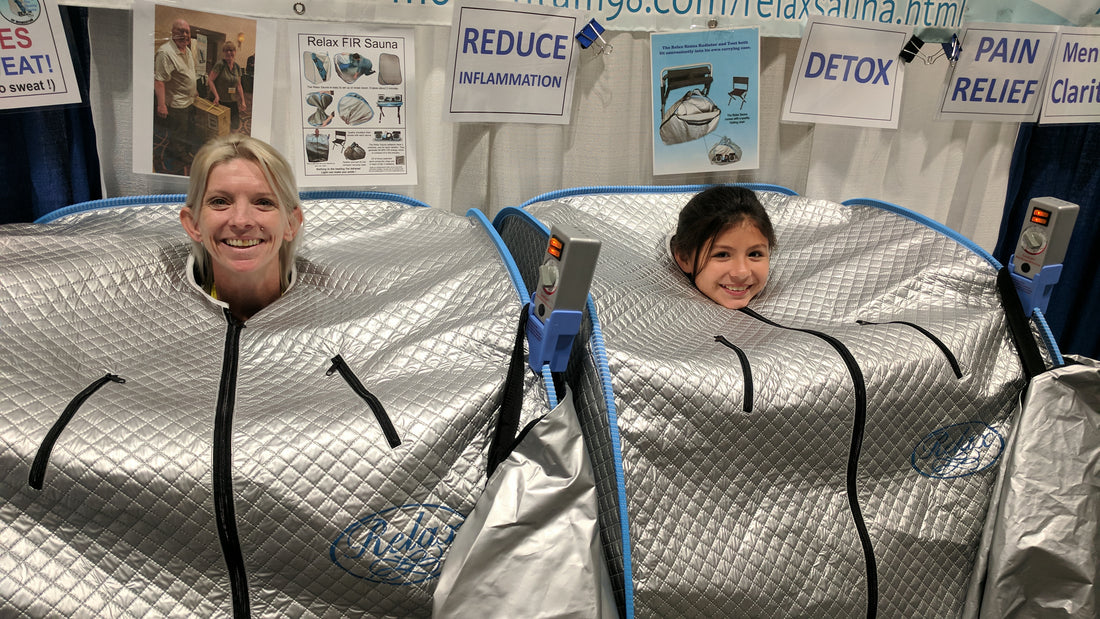
after training, athletes who used an infrared sauna reported less soreness and kept more of their jump power than with rest alone1
soreness had cleared by day three with far-infrared clothing, but lingered with placebo clothing2
Heat ranked first for easing muscle soreness in the first 48 hours across 59 studies3
strength bounced back within a day with far infrared; with passive rest, it hadn't returned after two days4
The recovery clock
Soreness follows a predictable timeline. The research shows warmth helps most when it starts early.
0–6h
Right after
Muscles have tiny strains from the work. You may feel fine.
Best time for warmth. Heat applied early beat heat started a day later.5
24h
Next day
Stiffness and tenderness set in as the repair process ramps up.
48h
Peak
Soreness often peaks here. Stairs feel steeper than usual.
Warmth plus light movement eases stiffness.3
72h+
Fading
Soreness eases over the next few days as muscles adapt.
Cleared sooner with far-infrared clothing.2
The lead study
BIOLOGY OF SPORT · 2023
An infrared sauna session after strength training
Ahokas et al. · 16 basketball players · randomized crossover
Finnish researchers had athletes complete a tough session of heavy lifting and jumping, twice, a week apart. After one session they rested; after the other they used an infrared sauna. Then they compared how each athlete felt and performed the next morning.
muscle soreness the next morning
jump power held up better than with rest
overnight heart-rate recovery
The sauna session eased soreness and helped preserve explosive power, with no negative effect on overnight recovery.1
Far infrared you can wear. In a double-blind trial, elite soccer players wore either far-infrared clothing or identical-looking regular clothing after 100 hard jumps. Soreness had cleared by day three in the far-infrared group and was still hanging on in the placebo group.2 That's the same passive principle behind HexTex.
Heat or ice?
Both have a place. The difference comes down to what you're recovering for.
Warmth
- Ranked first for soreness relief in the first 48 hours3
- Loosens stiff muscles and improves comfort
- Hasn't been shown to interfere with strength or muscle gains
- Best for training blocks where you want every bit of progress
Cold
- Whole-body cryotherapy brought the fastest short-term rebound4
- Better for swelling and acute injuries
- Regular ice baths after lifting reduced strength and muscle gains over 12 weeks6
- Useful when you need to perform again within hours
Three ways to warm up your recovery
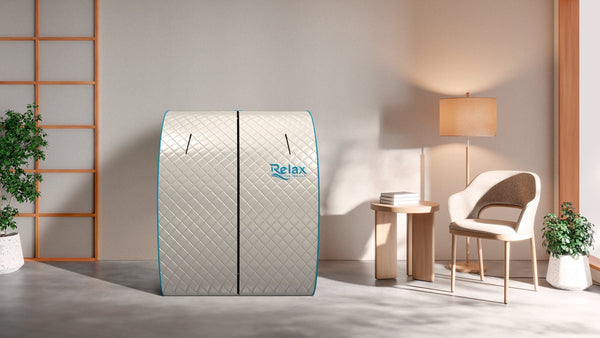
WHOLE BODY
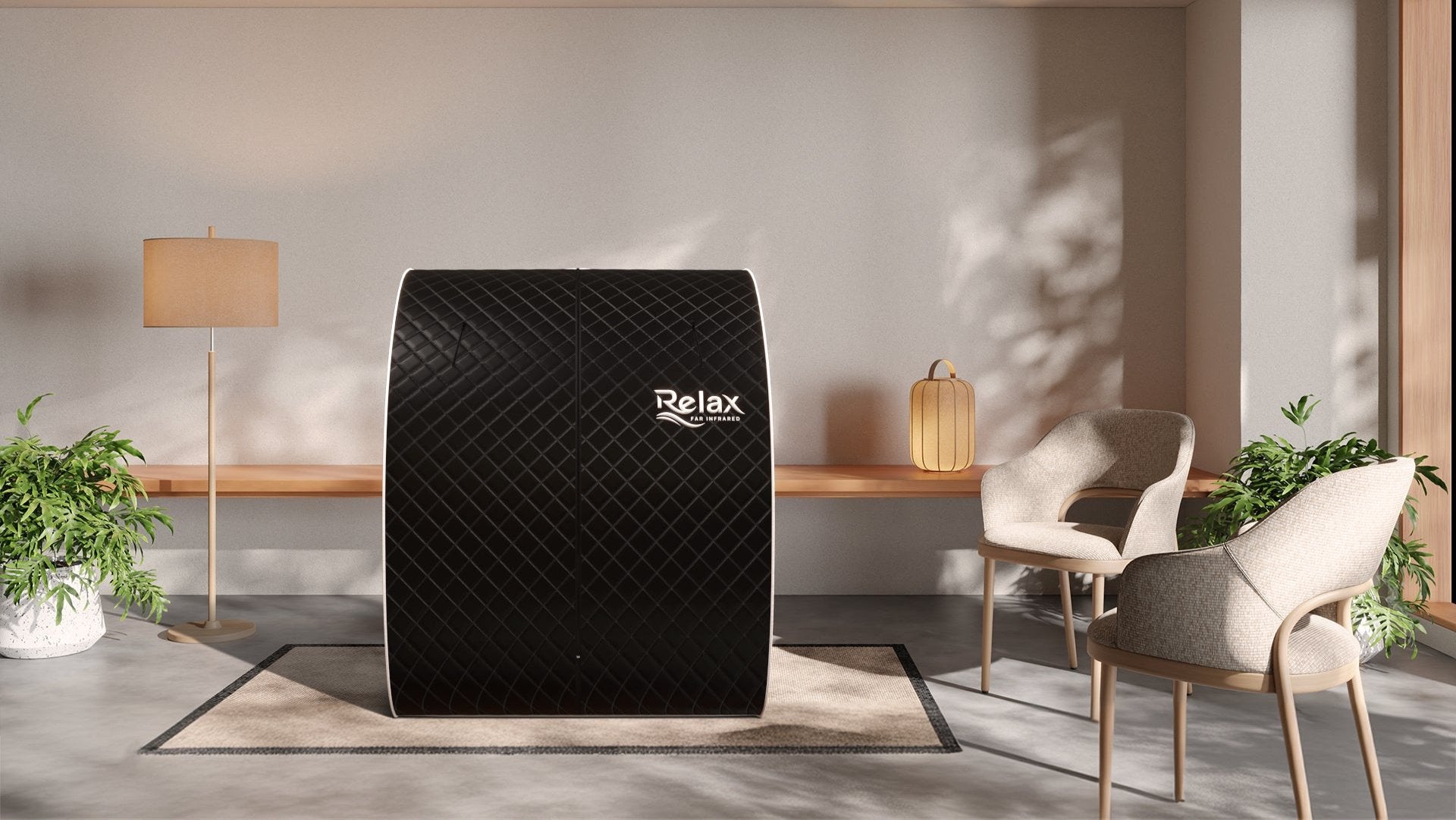
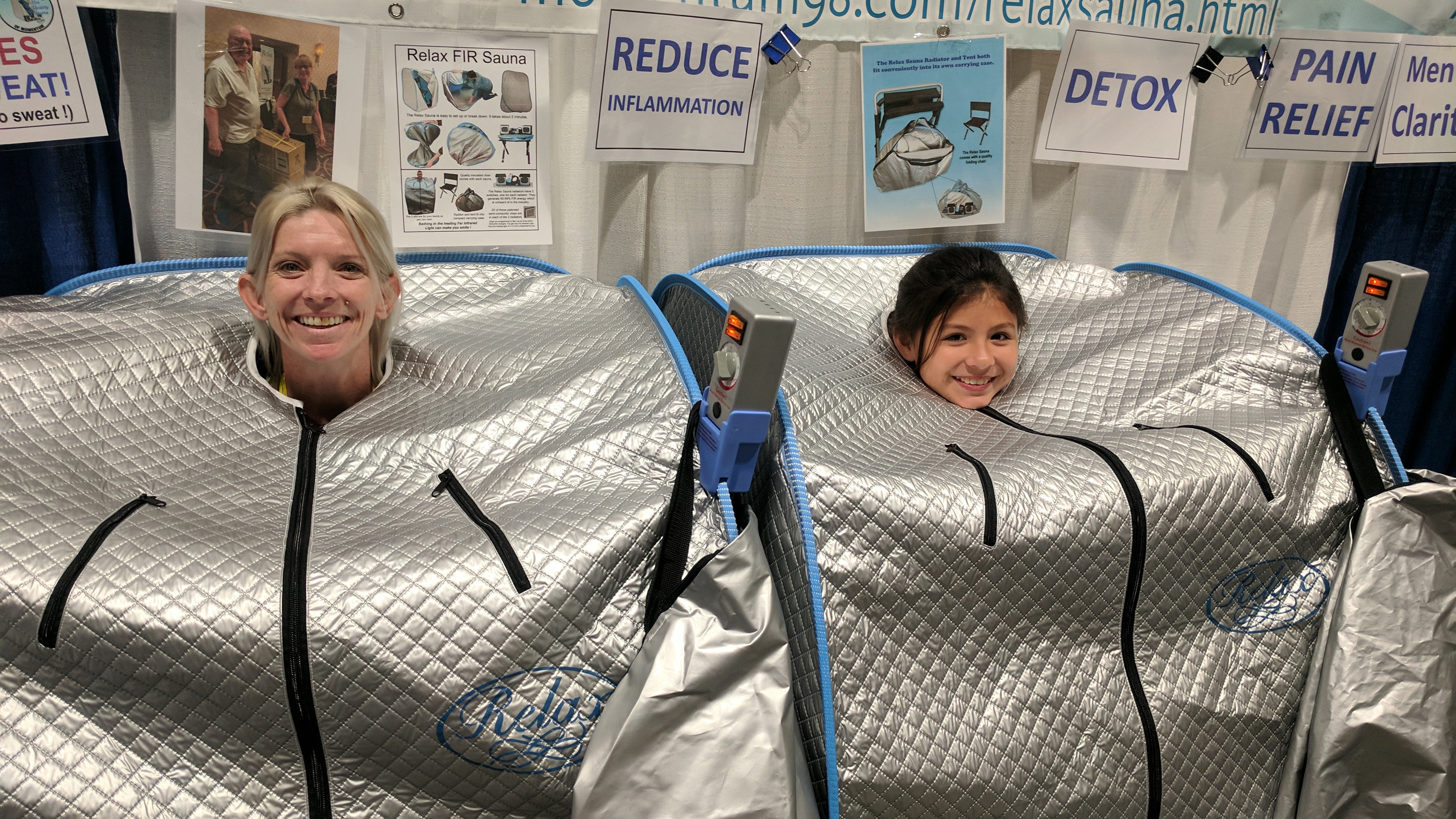
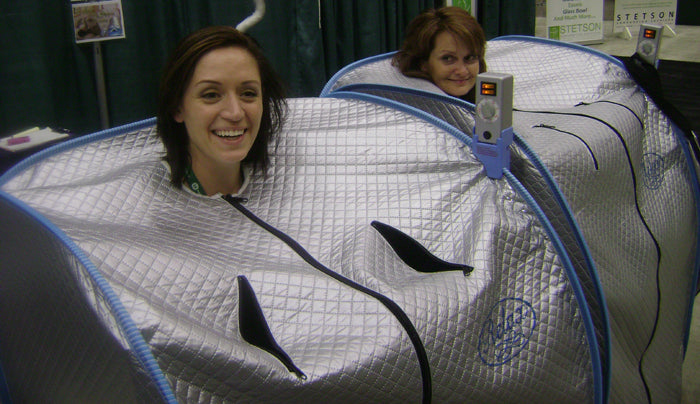
Relax Sauna
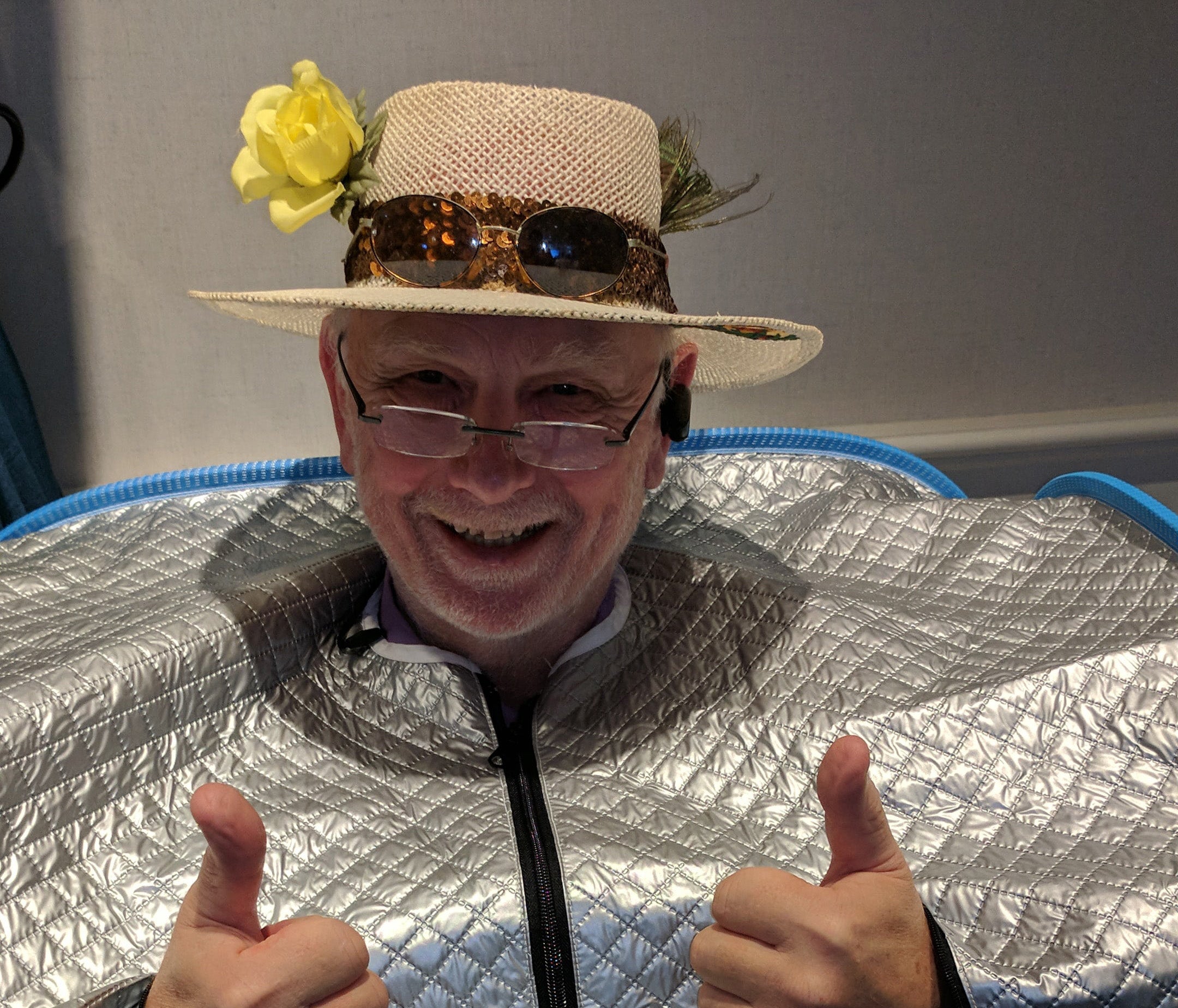
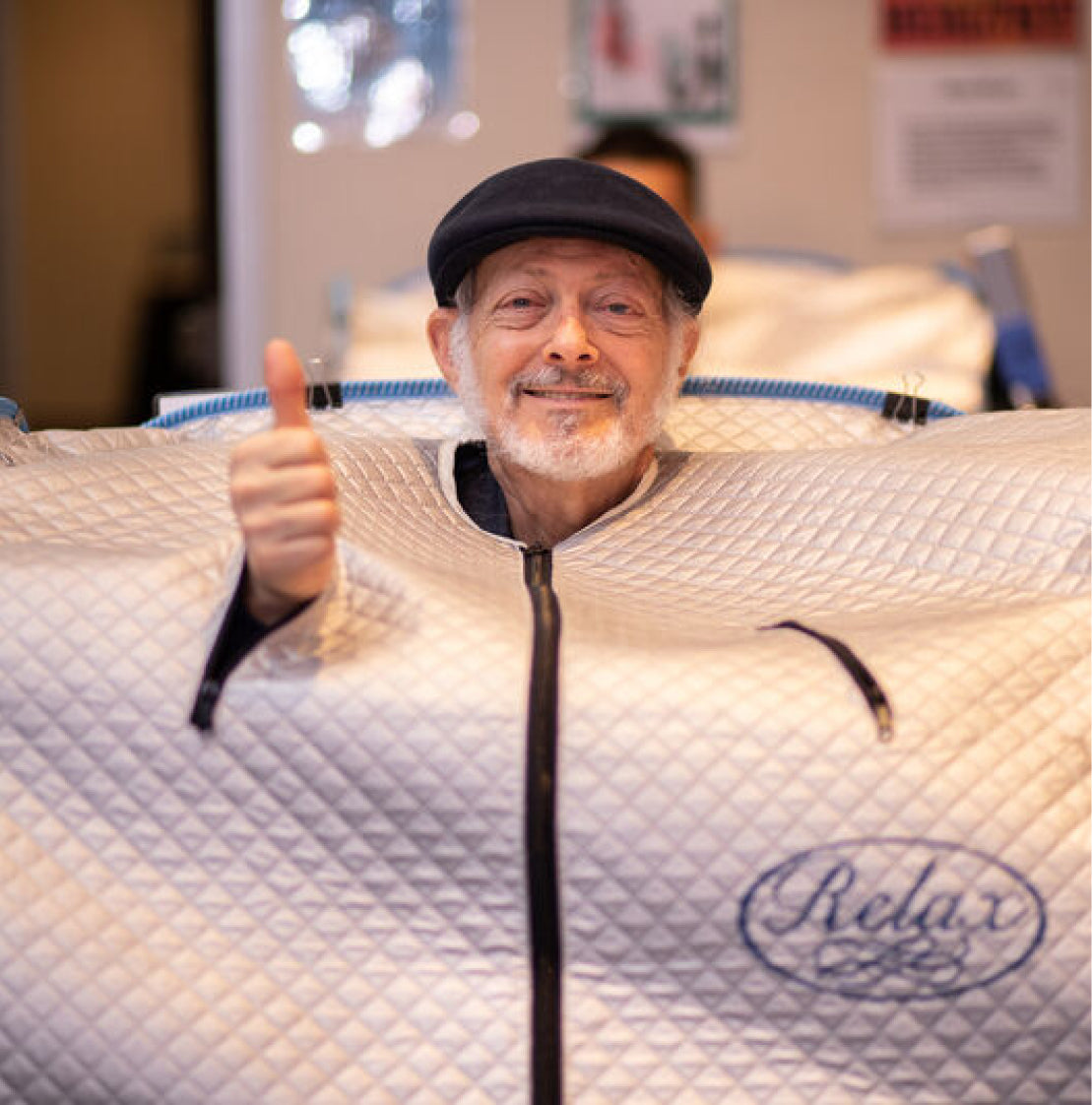
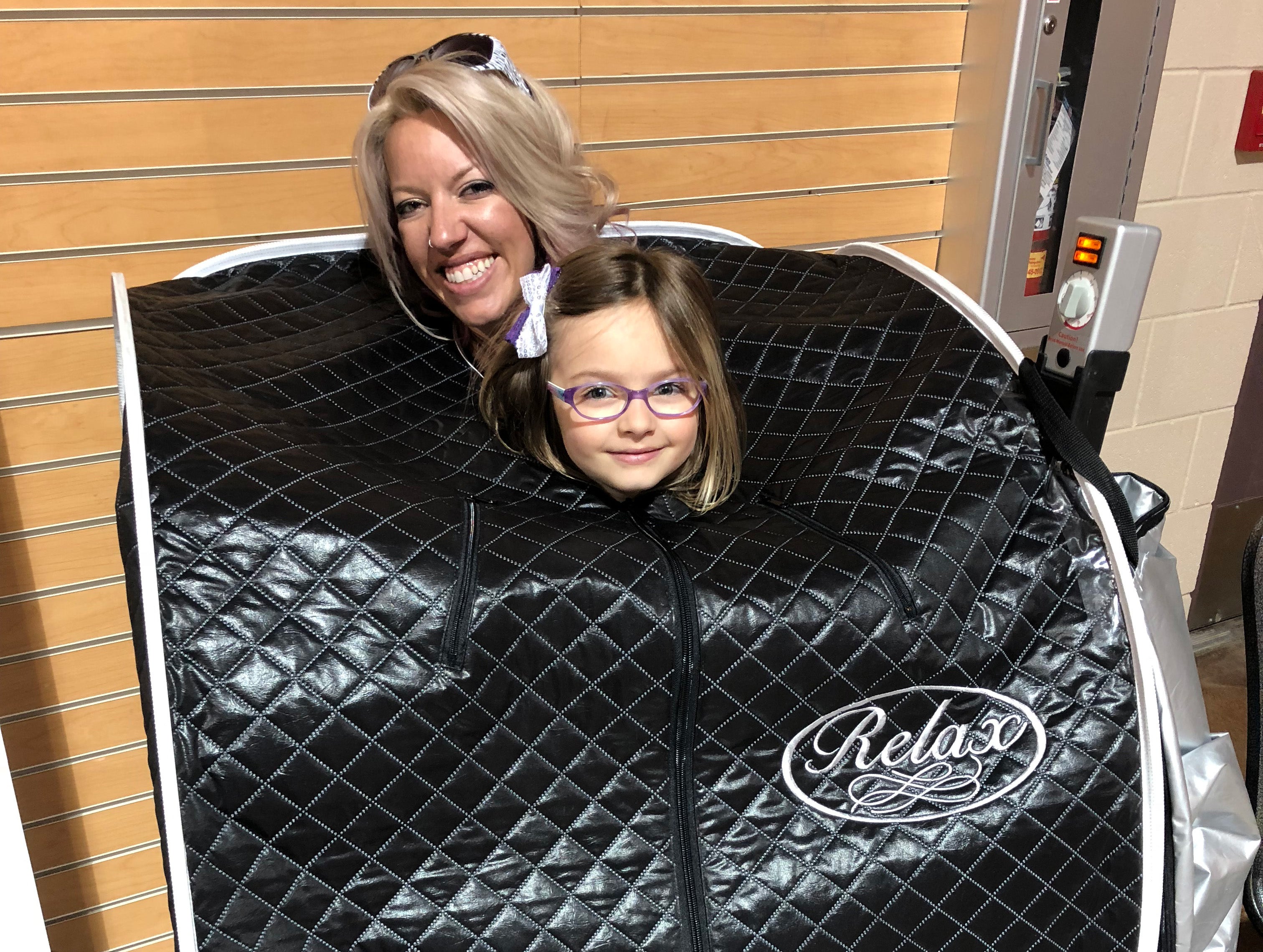
Warms every worked muscle at once, with your head outside the cabin and lower heat stress than a traditional sauna.
Evidence: infrared sauna reduced soreness after strength training.1
What warmth does for sore muscles
01Blood flow
Far infrared helps blood vessels relax through nitric oxide, bringing more circulation to muscles in repair mode.
Evidence: lab and controlled human research.7,8
02Protective proteins
Far infrared switched on HSP70, a protein that helps stressed cells protect and repair themselves, beyond what heat alone did.
Evidence: controlled human trial; not yet measured in sore muscle.8
03Stiffness
Warm muscles and connective tissue stretch more easily, which is why moving feels better after a session.
Evidence: classic tissue research and soreness trials.9,5
04Keeping your gains
Unlike regular ice baths, heat-based recovery hasn't been shown to blunt the muscle-building signals your workout creates.
Evidence: 12-week cold-water study; sauna trial showed no recovery downside.6,1
How strong is the evidence?
ESTABLISHED
Heat relieves muscle soreness, especially in the first two days.
DIRECT · CONSISTENT
Four far-infrared studies all found less soreness after hard exercise.
MIXED
Performance benefits depend on the type of workout; some studies saw none.
NOT YET STUDIED
Whether far-infrared recovery improves long-term strength or muscle gains.
What we do not claim
Recovery products promise a lot. Here's exactly what the science supports.
- Far infrared does not flush out lactic acid or "toxins." Lactic acid clears within about an hour of exercise and isn't what causes next-day soreness.
- It does not build muscle or make you stronger by itself. Training, protein, and sleep do that.
- It does not prevent injuries. Sharp, sudden, or one-sided pain is different from normal soreness.
- For the fastest short-term rebound, cryotherapy beat far infrared in a head-to-head study.
- Most studies involved young, trained athletes, so results may vary for others.
OPEN QUESTION
What would settle it?
A larger trial in active men and women comparing far-infrared sauna, far-infrared clothing, ice baths, and rest, measuring soreness, strength, and muscle repair markers over three days, then following people through 12 weeks of training to see whether warmth helps them keep more of their gains. That's the kind of question our research initiative is designed to pursue.
How to use it
Start the same day.
A 15–20 minute session within a few hours of a hard or unfamiliar workout gives warmth its best shot.
Rehydrate first.
Drink water, and add electrolytes after long or sweaty sessions, before and after the sauna.
Keep warmth going for two days.
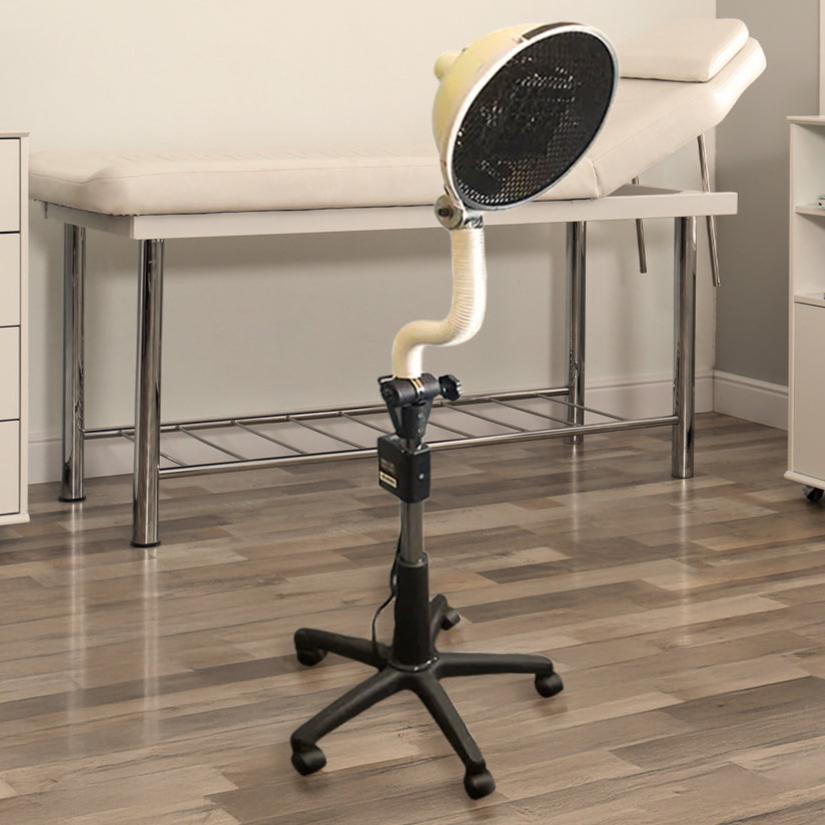
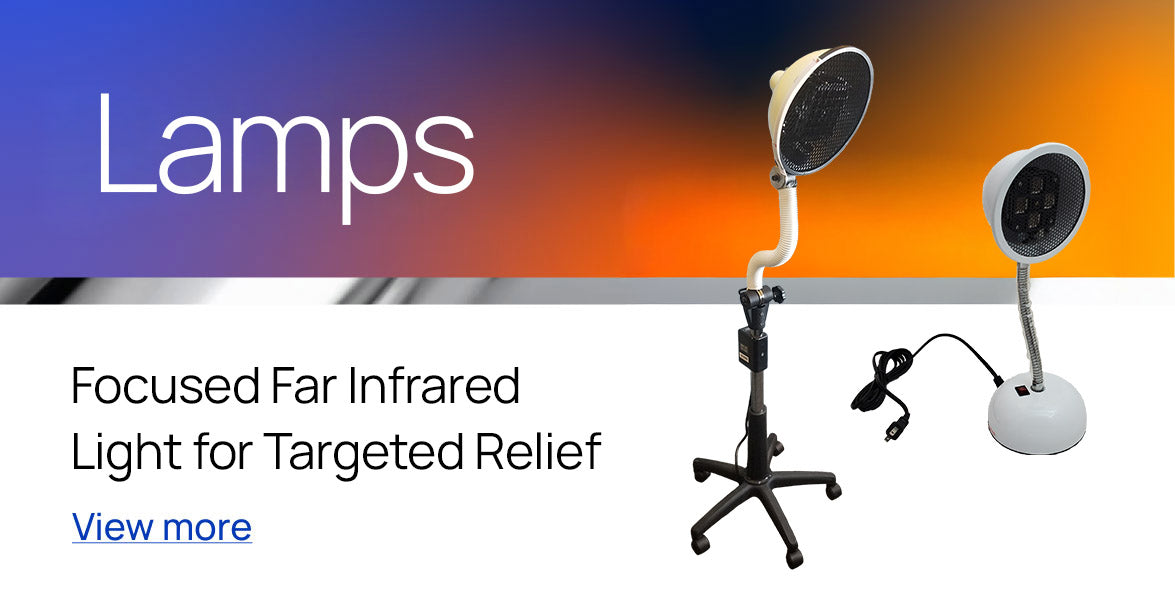
Use Raylieve on the sorest muscles and sleep on HexTex during the 24–72 hour window when soreness peaks.
Move gently.
An easy walk, light cycling, or mobility work alongside warmth eases stiffness better than sitting still.
Choose by goal.
Building strength or muscle? Favor warmth over routine ice baths. Competing again within hours? Cold may help more.
Don't skip the basics.
Sleep, protein, and sensible training progression remain the foundation of recovery.
See a clinician instead of a sauna if you have
- Dark or cola-colored urine, extreme swelling, or pain far beyond normal soreness after exercise (seek care right away)
- Sudden, sharp pain, a "pop," bruising, or inability to use the muscle
- Soreness that keeps worsening after 72 hours or lasts more than a week
- Signs of heat illness or dehydration, such as dizziness, confusion, or nausea
- Heart disease, uncontrolled blood pressure, or pregnancy
Recover like you mean it
The Relax Sauna delivers 9.4 µm far infrared with your head outside the cabin, so you can start recovering at home the same day you train.
References
- Ahokas EK, et al. A post-exercise infrared sauna session improves recovery of neuromuscular performance and muscle soreness after resistance exercise training. Biol Sport. 2023;40(3):681-689.
- Loturco I, et al. Effects of far infrared rays emitting clothing on recovery after an intense plyometric exercise bout applied to elite soccer players. Biol Sport. 2016;33(3):277-283.
- Wang Y, et al. Effect of cold and heat therapies on pain relief in patients with delayed onset muscle soreness: a network meta-analysis. J Rehabil Med. 2022;54:jrm00258.
- Hausswirth C, et al. Effects of whole-body cryotherapy vs. far-infrared vs. passive modalities on recovery from exercise-induced muscle damage. PLoS One. 2011;6(12):e27749.
- Petrofsky J, et al. The efficacy of sustained heat treatment on delayed-onset muscle soreness. Clin J Sport Med. 2017;27(4):329-337.
- Roberts LA, et al. Post-exercise cold water immersion attenuates acute anabolic signalling and long-term adaptations in muscle to strength training. J Physiol. 2015;593(18):4285-4301.
- Park JH, et al. Far-infrared radiation acutely increases nitric oxide production. Biochem Biophys Res Commun. 2013;436(4):601-606.
- Bagabir H, et al. Far infrared therapy improves vascular function via cytoprotective pathways. Free Radic Biol Med. 2025;241:438-446.
- Lehmann JF, et al. Effect of therapeutic temperatures on tendon extensibility. Arch Phys Med Rehabil. 1970;51(8):481-487.
This page is for educational purposes only and is not medical advice. Far-infrared therapy is not intended to diagnose, treat, cure, or prevent any disease. Consult a qualified healthcare provider before starting any new wellness practice, especially if you have a medical condition or take medication.